

Stop Stormwater Runoff From Wrecking Your Yard With One Simple Fix

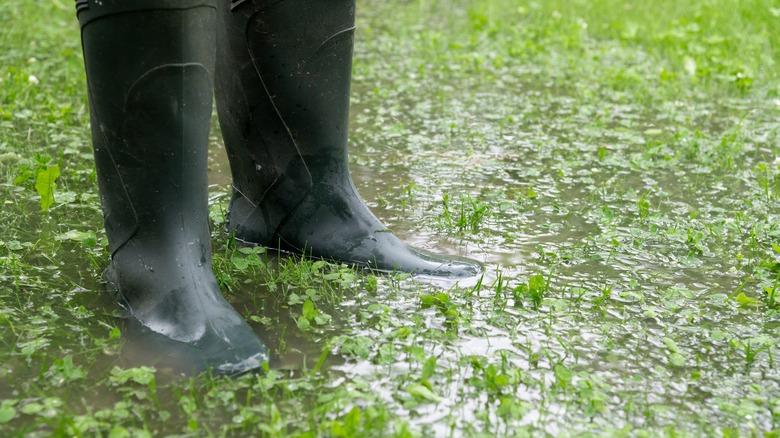
A clap of thunder in the distance may mean more than a cancelled soccer game or the chance to cozy up with a good book and a cup of tea. If you live in a neighborhood with plenty of hardscaping (think streets, roofs, sidewalks, driveways, and patios), those storm clouds can bring downpours that create damaging stormwater runoff. This runoff can not only cause flooding and erosion in your yard, but also carry oil and other pollutants along with it, which ends up in local streams and rivers. Because of these hazards, cities build elaborate drainage systems designed to manage stormwater — but sometimes those systems can't handle a big storm event. The good news is, you can help manage stormwater in your yard by adding natural landscaping features that will redirect, slow down, filter, and absorb it.
Your backyard stormwater solution may be as simple as digging a trench that diverts water away from parts of your yard where you don't want it, like the foundation of your house, moving it toward areas where it can collect and filter back into the ground. This type of trench is called a "bioswale," or natural drainage ditch, and it's usually planted with vegetation to help slow and absorb stormwater. It may also be lined with rocks and gravel, mimicking a dry creekbed that only flows after a hard rain. You can dig your swale to follow the natural topography of your yard and guide that water to a drain or dry well — or even to a rain garden that's specifically designed to handle it.
How plants can save your garden from stormwater runoff
Vegetation is the key to managing stormwater in your yard, as plants slow the flow of water and prevent flooding and erosion. They also filter out harmful pollutants. Landscaping your yard with native plants is the way to go, because native species are best adapted to your local climate and will develop strong, deep roots that prevent soil compaction and ensure good water filtration. Rain gardens or bioswales lined with native plants also pull double duty as beautiful backyard wildlife habitats, attracting a variety of birds and pollinators to your yard.
You can build a bioswale or rain garden on your own, but you'll want to follow some design guidelines to ensure it functions well. The U.S. Environmental Protection Agency has a list of helpful resources available online, and your local city planning or stormwater management office should also be a great source of information for this type of landscaping. There will be some maintenance required of your new stormwater feature, though, especially in the early years as your plants get established. For example, you'll need to be vigilant about pulling weeds and removing storm debris to ensure your swale or rain garden can properly function, and, if flooding or erosion continues to be a problem, you should be prepared to dig your trench deeper or widen the rain garden to properly accommodate volume of water they're receiving.