

Luxury Vinyl Plank Or Engineered Hardwood: Which Flooring Boosts Home Value More?
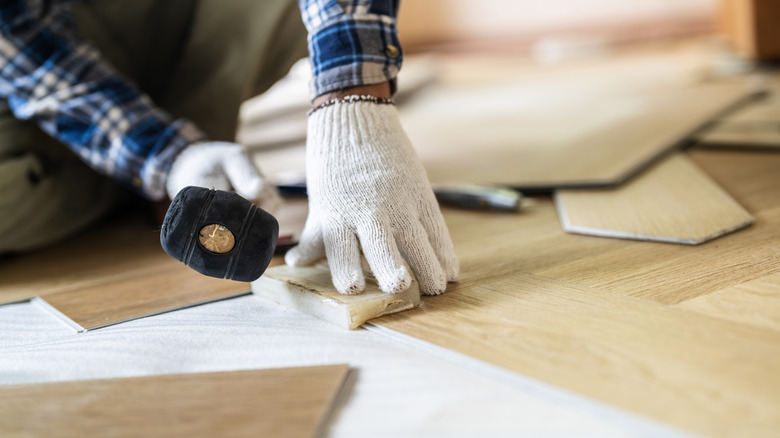
Whether you are house shopping or you're looking to upgrade your current digs, opting for some new flooring is an effective way to give your space a facelift, and depending on the flooring that you currently have, it could also be a reno project that could increase the value of your home. If your main goal for replacing flooring is to increase the desirability and consequently the resale value of your home when you do choose to sell, your best bet is to choose a hardwood flooring option. The two most popular options are laminated vinyl planking (LVP) and engineered hardwood. But while each of them has its benefits, there are some significant differences that can help to inform you of which would be the best for you.
Although both of these materials come in planks, their costs, wear, and composition are quite different. Vinyl planks are made from synthetic materials, while engineered hardwood uses layers of wood — generally a top layer of wood veneer with bottom layers of (usually) plywood to give it some additional support without jacking up the price. Whichever material you choose, there are high-quality options available for both, so it's not so much about determining the better choice overall as which will be the best choice for you, your home, and your lifestyle.
The good, bad, and the ugly of luxury vinyl plank
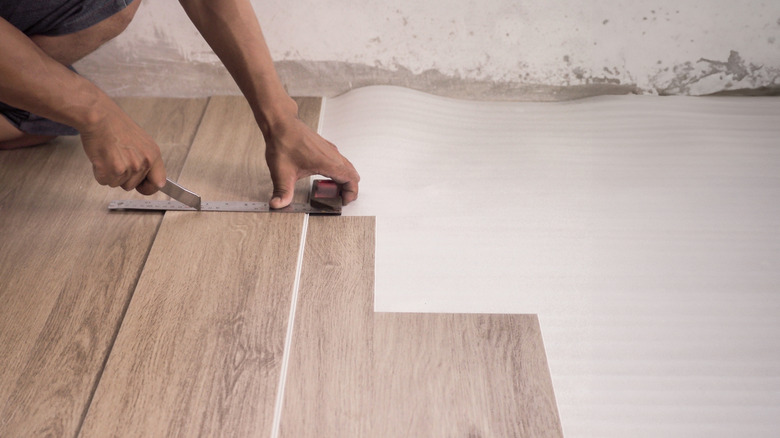
When in doubt as to what type of flooring will be the best option for you, the safest bet is vinyl. This material is particularly durable and holds up well in moist environments, like kitchens and bathrooms. Not only is it resistant to water damage, but it is also particularly easy to clean, and you don't have to worry about getting it too wet while cleaning, like you do with natural wood and other options that are more subject to buckling when in contact with water. This is also the better option for DIY projects (especially if you are more of a beginner to home improvement projects), as it is relatively easy to install.
Like anything, however, vinyl planking is not without its downsides. Although you can definitely find options that are high quality and look pretty close to real hardwood flooring, there are also quite a few that look cheap (like plastic) and could even end up making your space look less expensive than if you were to leave it carpeted. Some cheaper options may also be more subject to visible wear. Also, vinyl planking will generally come in evenly cut sizes, so you will have to be cautious to stagger your floating flooring yourself if you want to make sure that it looks organic rather than manufactured.
The hard facts about engineered hardwood
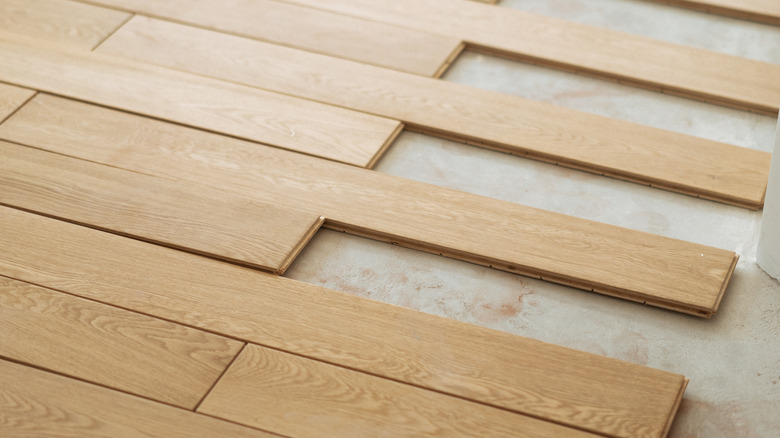
Engineered hardwood will give you the appearance of having full hardwood floors without the cost and hassle it would require to actually get them installed. In some ways, engineered hardwood is also actually a more durable option than traditional hardwood, as it is less prone to warping since it has a core of fiberboard or plywood, which has wood grains in multiple directions, meaning it won't just expand one specific way, but rather expand and contract more evenly. While LVP may have a slightly lower initial cost, engineered hardwood can actually be refinished anywhere from one to three times, so if you do have some surface damage like staining or scratching, you won't be forced to replace the planks. This can also be a more appealing option to homebuyers, as they would be able to upgrade the floor simply by refinishing rather than removing and replacing.
Though it is a solid flooring choice, there are still some significant drawbacks to engineered hardwood that you may wish to consider before installing it in your home. When compared to LVP, engineered hardwood is on the stiffer side, so LVP has a bit more give and flexibility, making it softer on the feet, especially when walking around shoeless. Although it fares better in moisture-heavy areas than laminate flooring, it is still more prone to water damage than LVP, so if you have had issues with staining, warping, or lifting before, you may be best served by staying away from natural wood altogether.