

What To Do Immediately If A Neighbor's Tree Falls Into Your Yard
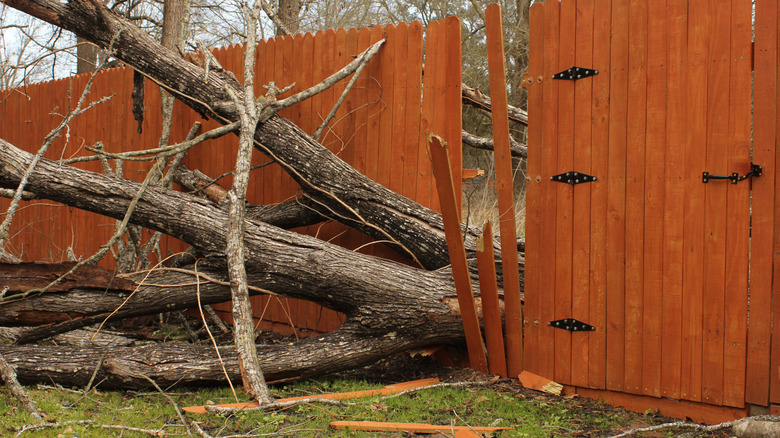
It's storming out. The winds are gusting over 50 miles per hour, and your neighbor's ancient tree is swaying and creaking. Do you know what to do if some or all of it falls into your yard? Hopefully, you have the good sense to first make sure that no one is hurt, but then what do you do? It's helpful to be prepared for occasions like this, since they can involve tangled issues of property rights, insurance liabilities, local laws, and the costs of removal and repairs, not to mention maintaining a good relationship with your neighbor. The first thing you want to do if a neighbor's tree falls into your yard is leave everything in place if no one is hurt, then document the event by photographing any damage to property and the tree itself. Then speak with your neighbor.
Before you ring your neighbor's doorbell, however, it's good to know in advance what rights and laws are involved in situations like this. Find out who owns your neighbor's property, including any shared fence, in case your neighbors are renters or have a co-ownership arrangement with another party. If you are a member of a homeowner's association (HOA), brush up on the bylaws to see if any of them apply. States and municipalities may also have laws governing damages to property. And be sure to read your homeowner's (or renter's) and car insurance policies to see what damages might be covered. Even if you're a renter, damage to your personal property may be covered by your insurance policies. The question is, though, who is responsible for the tree falling in the first place?
Who's at fault if your neighbor's tree falls into your yard?
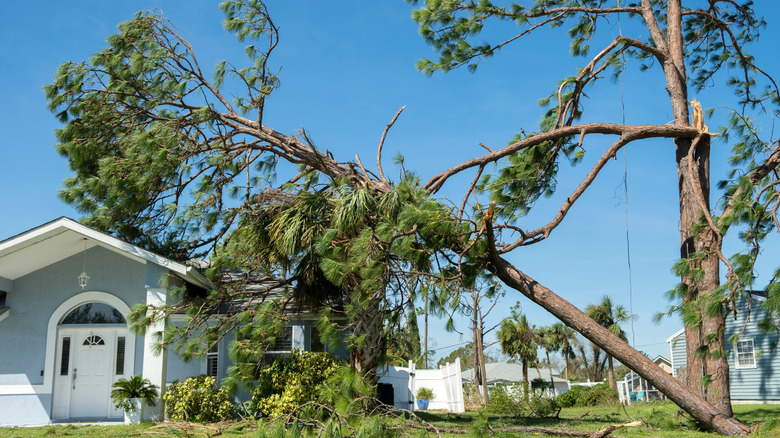
There's a good reason you should take photographs first in the event of a tree falling into your yard. Photographs may reveal signs that allow you to tell if the tree was dead or dying before it fell. Branches without leaves, severe trunk leaning, prematurely yellowed leaves, damaged roots, or missing bark can all be signs of the tree's weakness or disease, which could be the cause of it falling. These factors may not be revealed until after the tree falls, so photographs taken after the fact can be important evidence when it comes to demonstrating who was at fault. It's your neighbor's responsibility to maintain their property, and failure to do so means they may be liable for any damages to your property. You can preempt any mishaps if your neighbor's tree is crossing over onto your property, since you likely have the right to trim any dead branches if they're on your side of the property line.
If your neighbor took what's legally called "reasonable care" to make sure that the tree was in healthy shape and properly maintained, your neighbor is probably not at fault. If the accident is attributable to a natural disaster – such as an earthquake, blizzard, or tropical storm – it's likely that any cleanup or property repair will be your responsibility. Your insurance policy may have a "force majeure" or "act of God" clause related to natural disasters, outlining how much your insurance company will cover and any deductible you will have to pay. Once it's clear who is liable for what, you (and perhaps your neighbor) can begin to contact tree removal experts. Get estimates beforehand and receipts afterwards. You'll need those for submitting insurance claims. It is also important to note that these guidelines may be different based on your local and state laws, homeowners' association bylaws, and your insurance