

Officials Warn: If You See This Invasive Worm, Don't Squish It—it'll Just Multiply
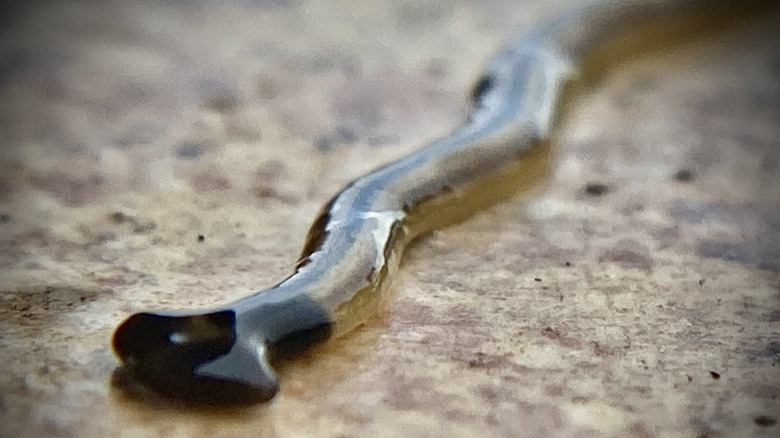
When it comes to reacting to bugs there are three types of people: Those that immediately grab their magnifying glass and do an image search, those that step gingerly around and perhaps sneak a peek to determine where it sits on the graph of creepy to crawly, and those that think with their feet and go straight for a gut-smearing squash. While the last option is not usually an issue beyond the moral qualms of killing a living creature, there are some bugs that take squashing as a challenge — and win. The hammerhead worm is one of these horrifically resilient beings, and not only will it not die if you sever it in half, but you will be left with not one dead worm, but what will eventually become two live ones. That's right, these suckers reproduce asexually by fragmentation, meaning that cutting them apart does nothing except give them a bit of a head start.
The issue with hammerhead worms is not only that they are an invasive species that may be the answer to what is killing your earthworms, but they also secrete toxins that can be irritating to human skin, causing rashes, and could make pets sick if ingested. Though no deaths have been reported as of this publication, it still isn't something that most people want to come in contact with. And not to resort to ad hominem attacks, but these worms are nasty to look at, and can even grow to be up to a foot long.
How to be a successful serial (worm) killer
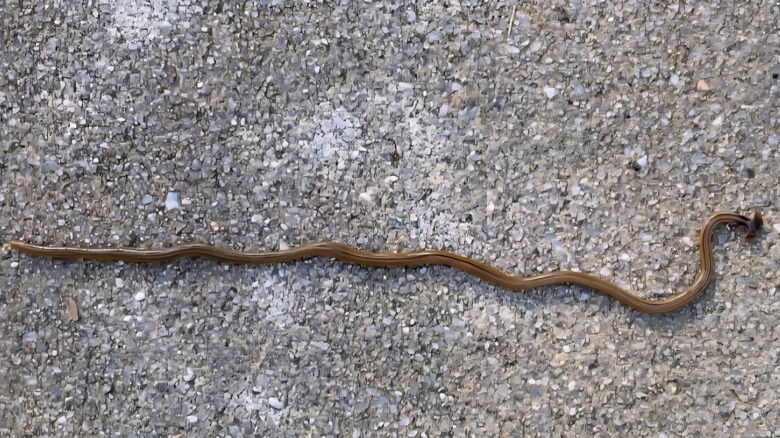
Though there are some bugs (like honeybees) that you will want to treat with a bit more consideration and care, it is recommended that you do your best to rid the U.S. of the invasive Hammerhead worm, in large part to preserve the population of earthworms that are essential to our crops, gardens, and ecosystem. Though first reported to be seen in Wisconsin, these worms have been spreading steadily and can now be found all across the US. Since they are native to Asia, it is most likely that they appeared as a result of horticulture trade, namely in the soil of potted plants.
So how do you kill them? Well, the thing not to do obviously is to go in with a shovel or your boot. Experts recommend trapping the worm in a plastic bag to ensure that it is secure and isolated. From there, you can use a variety of methods, from letting it bake in the sun to using household items like salt, vinegar, citrus oil, hand sanitizer, dish soap, or even sticking it in the freezer. Just don't forget it in there, or you might lose your appetite next time you go to grab an ice pop. Whichever method you pick, just be sure that it is done in a contained environment. You don't want to spread any of these ingredients around your yard or garden or you may end up accidentally affecting the native and more helpful members of your biosphere.
Why killing these worms is a civic duty
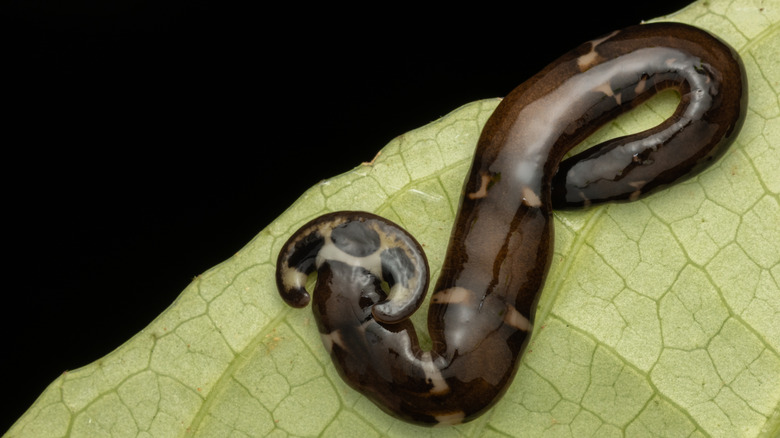
You may think the best way to handle these worms is to take the laissez-faire approach. But much like the infamous trolley problem, inaction (and improper action) is in this case an issue. Since these worms are invasive, letting them stick around isn't quite the same as ignoring a stray ant, cricket or daddy long legs. Since they feed on earthworms, an increase in population could affect the earthworm population which is necessary for maintaining well aerated soil and can help you maintain a healthy lawn without herbicides or pesticides. It's also not just earthworms that this predator has a taste for — they have a hankering for escargot (snails) as well as slugs and insect larvae.
There is also the issue of the neurotoxin tetrodotoxin (the same paralytic found in pufferfish) which is present in the mucus they secrete. This is what causes skin irritation and sickness if ingested, but it's also what helps it thrive in the wild. These worms don't have many natural predators in the US as they are either harmful or not very tasty to most animals. Interestingly, though, they do have an odd way of keeping their own population in check — these worms are cannibalistic, so their main predator (especially in this region) is, somewhat ironically, themselves. That said, when left unchecked, invasive species can spread and become a bigger issue than when they were in a contained area, like the Spotted Lantern Fly, which has likely already made it to your backyard.