

Never Plug These Things Into A Power Strip
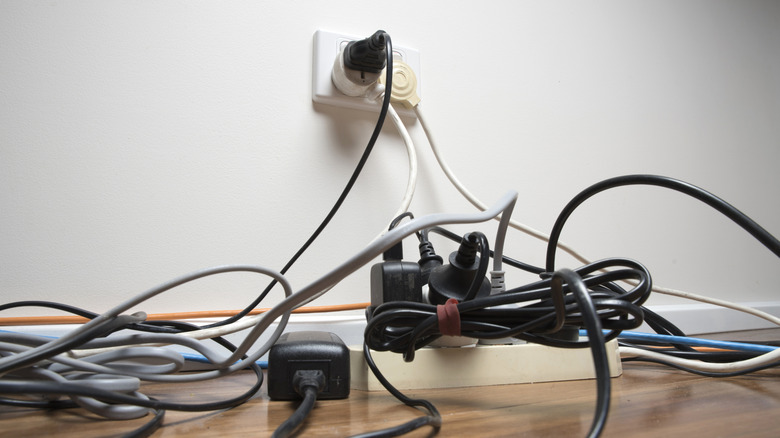
Power strips are useful when you want a central place to charge a number of devices at the same time. Using a power strip is also an easy way to reduce your electricity bill, since it allows you to turn off a whole bunch of devices at once so that they're not drawing electricity even while you're not using them. Many power strips have surge protectors, which act the same way a circuit breaker does, protecting your devices by limiting the amount of power passing through the strip. But with or without a surge protector, all power strips have a maximum amount of wattage they can handle, which is why you should never plug into a power strip any appliances or devices which demand a large amount of electricity all at once, especially in combination with one another.
Even with a surge protector, an overheated power strip is a fire risk. Before you plug anything into a power strip, determine what maximum power the strip can handle. The average is between 1800 and 2400 watts. Also determine the wattage requirements of each device you plug in. Many items are fine to use with one. Mobile devices like laptops, phones, or tablets that you plug in to charge a battery have built-in limits to how much energy they can draw from an outlet at any one time. That way, they protect the battery itself from overheating and catching fire. Light fixtures, clocks, desktop computers, radios, and other items that draw a steady stream of electricity won't likely overburden a power strip, but simple math can give you that answer. Check the power cord or back panel of an appliance to find the wattage. And, as always, don't overload the power strip by doing the no-no of trying to double your power by plugging one power strip into another. A power strip is the last thing you should ever plug into another power strip.
Don't plug devices that demand surges of electricity into a power strip
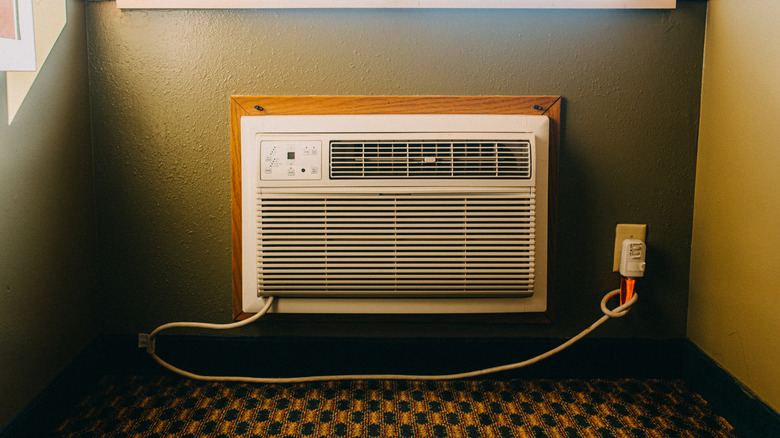
Any device that has surges of power demand comes in at a close second-to-last. Definitely don't plug in even a single device that demands lots of energy all at once. Air conditioners are energy hogs, but especially when you first turn them on. The current draw of air conditioners varies according to their size. A 10,000 BTU air conditioner, sufficient to cool a 400 square foot 1-bedroom apartment, might use 1,200 watts while running normally, but it can use three times as much when starting up, more than most power strips can handle. A 12,000 BTU unit that might cool a 500 square foot room can use 3,250 watts just while running and 9,750 when starting up!
The same applies to refrigerators, which are basically air conditioners with a box attached to them. Like an air conditioner, their initial demand for power comes from activating the compressor, the coils on the outside of the box that move heat from inside the box out into the room. It takes a lot of energy to get that going — around 2,200 watts — but once the refrigerator reaches its desired temperature, only 700 watts are required to keep the compressor running (depending on the size of your fridge). Other devices that demand a lot of startup electricity are clothes washers and dryers, sump pumps, dishwashers, space heaters, photocopiers (which use powerful beams of light to do their work), and many shop tools like drills, saws, planers, sanders, and air compressors. Plug these devices directly into a wall outlet, not into a power strip.
Keep power strips out of the kitchen and bathroom
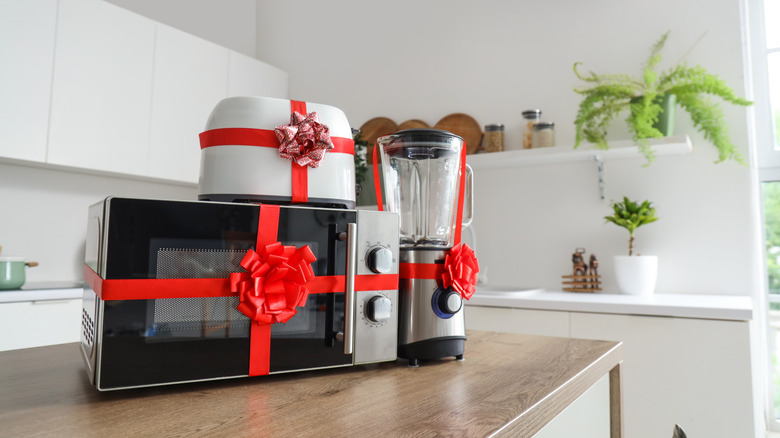
There's a reason kitchens often have lots of outlets in them. The devices you use there usually require their own direct connection to your home wiring. Appliances that cook or process food — coffee makers, toasters, microwaves, food processors, blenders, and crock pots — demand lots of power. Some of these also require extra surges of power when starting up, such as tea kettles, espresso machines, percolators, rice cookers, and sandwich presses. An electric tea kettle alone can draw as much power on starting up as a refrigerator. Turn on your espresso machine and your toaster at the same time from the same power strip and you could overheat its wiring.
There's also a simple reason bathrooms have few outlets: water and electricity are not friends. While you might be tempted to add a power strip to make your bathroom life more convenient, don't. Hair dryers and curling irons demand a lot of electricity — around 1250 to 1500 watts each. Run both at once off a power strip and you're asking for trouble in one of the worst rooms to have some kind of electrical problem.
Just do the math: know how much your power strip can handle and how many watts of electricity your appliances pull. Most have their wattage requirements listed on the package or the item itself. While power strips are convenient and can even save you money, they have their limits. Know when to use them and when not to.