
How To Clean Unsealed Ceramic Tile
The best way to clean unsealed tile (specifically ceramic tile) is to use a scrubber and a powdered oxygen bleach solution. Here's a step-by-step breakdown of how to clean your unsealed tile.
Read More

Hunker uses a knowledgeable team of editors, writers, and experts to create all our content. We dive deep into the ever-evolving conversations surrounding home improvement and design, striving to deliver the most current and helpful tips, strengthened by expert takes and tutorials from our talented team.
As we cover many fields of expertise, we make it a priority to ensure every beat remains fresh and comprehensive. Additional information on our editorial process available here.
The best way to clean unsealed tile (specifically ceramic tile) is to use a scrubber and a powdered oxygen bleach solution. Here's a step-by-step breakdown of how to clean your unsealed tile.
Read More
Depending on how much rot has affected the cactus, you may be able to trim off a healthy section and replant. However, growing the cactus in its preferred conditions and giving it appropriate care goes a long way toward preventing future problems with rot.
Read More
Blue spruce trees can be grown from seed. First collect the seeds, dry them and when you're ready, prepare them for germination and planting. Blue Spruce are tall so make sure you have space in your yard for this beauitufl tree.
Read More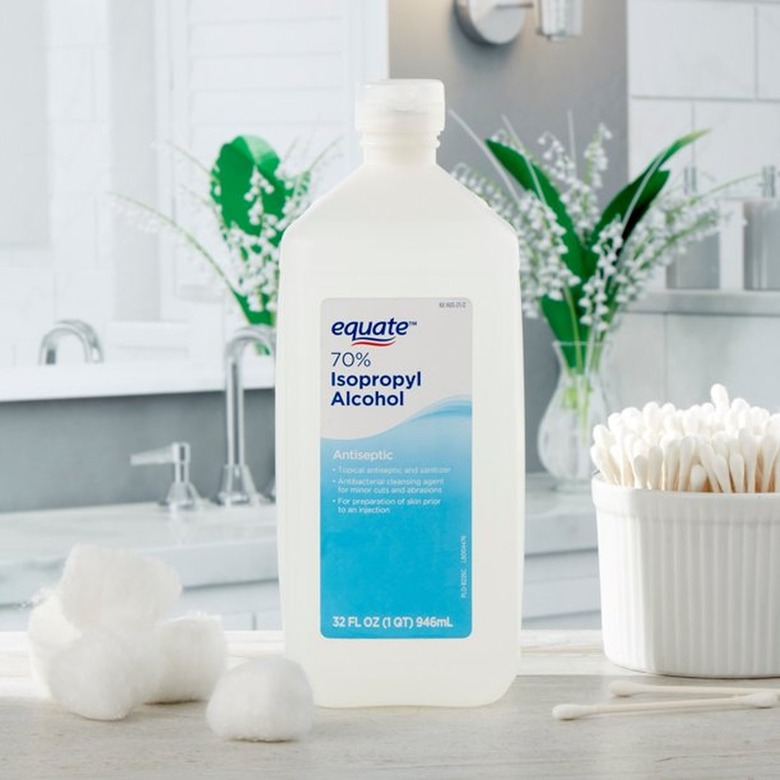
Have gnats swarming around your houseplants, drinks, or fruit? You can eliminate them using a household item you likely already have — rubbing alcohol. Here's how.
Read MoreTroubleshooting your Lasko ceramic element space heater at home can help get the heater working again without having the heating unit repaired by a professional.
Read More
When your Fedders air conditioner won't come on, a little troubleshooting can help identify the problem. Some issues are simple fixes and don't require a technician.
Read MoreTo treat cucumber blight, prune aggressively if caught early, or remove heavily infested plants if not caught early.
Read More
If your favorite pillow is lumpy and uncomfortable, try giving it a wash and fluff. That may be all you need to fall in love with it again.
Read MoreHoneywell's programmable thermostats are designed to be easy to use under normal circumstances. And when it is time to troubleshoot, most of the solutions are simple for the owner to execute. If your Honeywell programmable thermostat flashes "Batt Lo," you simply need to replace the battery.
Read MoreMost manufactured rubber is vulcanized to some extent. Vulcanized rubber is more durable and elastic than natural rubber, giving it a wider range of commercial applications. Vulcanized rubber is attached to metal in a variety of products, usually with contact cement or another adhesive.
Read MoreSetting-type joint compound is ideal for exterior construction. Exterior jobs need a durable joint compound. Setting-type joint compound dries hard, resists moisture and requires just a few coats to get the job done. Outdoor joint compound application is similar to indoor applications. But watch out for the weather.
Read MoreMany homeowners enjoy the look of white mortar because of its ability to make stonework pop out. If you want to make your own white mortar, you'll need the right ingredients. To get true white mortar, you must mix white cement with white sand. Once you have the ingredients in place, make safety your next concern.
Read More
Fiberglass is a difficult surface to work with. The trouble is it's nonporous surface which is so smooth that regular adhesives have trouble sticking to it. To successfully stick tile to fiberglass, you need an adhesive strong enough to cling to a smooth surface.
Read MoreWeil McLain sells a variety of boilers for residential use. Both their gas- and oil-fired boilers are designed to be easy to use and provide consistent heat for years to come. To extend the life of your Weil McLain boiler, read its owner's manual thoroughly and abide by proper operating procedure.
Read MoreJenn-Air gas cooktop igniters work for most of the life of the appliance without you ever having to think about them. They light reliably and automatically relight when the burner's flame is accidentally extinguished. However, as igniters do most of the cooktop's work, they are the most common point of failure.
Read MoreIkea makes a variety of swiveling and reclining chairs that have moving parts. With use, these metal parts may begin to rub against one another, resulting in a squeaking noise. The only way to stop the squeaking on your Ikea chair is to lubricate the parts.
Read MoreThe money tree (Pachira aquatica) is one of the hardiest trees around. You often find this plant growing happily in houses or offices. It tolerates low-light levels in office buildings or high levels of light on porches.
Read MoreArborvitae is a large genus of coniferous trees. Their quick-growing habits and thick growth make them ideal for creating hedges and living fences. But an arborvitae can face a few obstacles that may make it thin out. Most of these problems can be cured with a little pruning to stimulate thicker growth.
Read MoreThose humble sheets of aluminum foil in your kitchen cabinet are composed of a fairly reactive metal. If you've ever left ketchup, lemon juice or any other highly acidic or basic food on a sheet of foil you probably noticed little black spots developing. These are little sections of dissolved aluminum.
Read MoreNatural rubber is derived from latex, a milk-like substance produced by the para rubber tree. The harvested latex is then processed to make rubber. Natural rubber is elastic, flexible and waterproof. It is naturally durable. But products made from natural rubber benefit from regular care and conditioning.
Read More
Succulents are most commonly propagated by stem cuttings. Rooted stem cuttings produce a plant that is genetically identical to its parent. If you want to cross the genes of two different succulent cultivars, you must cross-pollinate them. There are thousands of species of succulents.
Read MoreFinding mouse droppings in a grill at the end of the dormant season is not uncommon. Rodents are able to get most anywhere. Their keen sense of smell will guide them to any charred or caked-on fat or food particles left clinging to your grill in storage.
Read More
Air conditioning units freeze for a number of reasons. If the unit is too small for the area it's required to cool, the overworked coils will often freeze. Coolant leaks, debris buildup, and cold temperatures may also cause a unit to freeze.
Read MoreIf your washing machine breaks during the cycle, water will likely get trapped inside the barrel. It may be days before a repairman can come take a look at it. In the meantime, you must drain the standing water from the machine. There are several ways to remove the water from a top-loading washing machine.
Read More
Most commercial dryers come with capacity listed prominently on packaging. If you bought a used dryer or one without its user manual, the capacity still can be calculated. You can't tell a dryer's capacity from its external size alone. You must take the measurements of the interior drum that holds the clothes.
Read MoreAcacia is a durable and attractive hardwood that is often used to make outdoor furniture. When properly treated with a weather-proof finish, acacia patio furniture can survive the elements for years or even decades.
Read MoreMold is a common problem with firewood. Conditions outdoors are often damp, and firewood is full of the nutrients that mold needs to thrive. But mold is not an inevitability. In fact, it is seen most often in firewood that is improperly stored or cured.
Read More