

Why Do Painters Leave Rollers In Paint Buckets?

Painting with a roller is a tougher job than it looks. It takes skill to get a uniform, streak-free coating and diligence to avoid getting paint on anything else. To save cleanup time and paint, some painters leave rollers in a tightly covered paint bucket overnight during a multi-day painting job.
You might think it makes more sense to clean the roller at the end of the day, but some painters skip this step between sessions for three reasons. First, washing a loaded roller wastes paint unless you recover the excess. Scrape it back into the tray or bucket before cleaning. Second, leftover paint and paint-contaminated wash water require proper disposal. Never pour paint into a septic system, and ask your local waste authority how to dispose of the wash water. Third, cleaning a roller cover takes time, and any paint left in the nap can harden and ruin it.
Some painters avoid cleanup and paint wastage by leaving the roller in the bucket. Go!Paint recommends placing the paint-loaded roller inside its Roll and Go Bucket and closing it with the matching lid. The company says water-based wall paint can stay usable in this setup for several days. Other paints and varnishes may dry out sooner.
The important part is getting the bucket properly closed. The Hyde Store's guidance cautions that loosely resting a lid over a protruding roller frame doesn't seal the bucket. Use a bucket and lid designed to accommodate the roller, and follow the paint manufacturer's storage instructions.
Not the only way to avoid cleanup
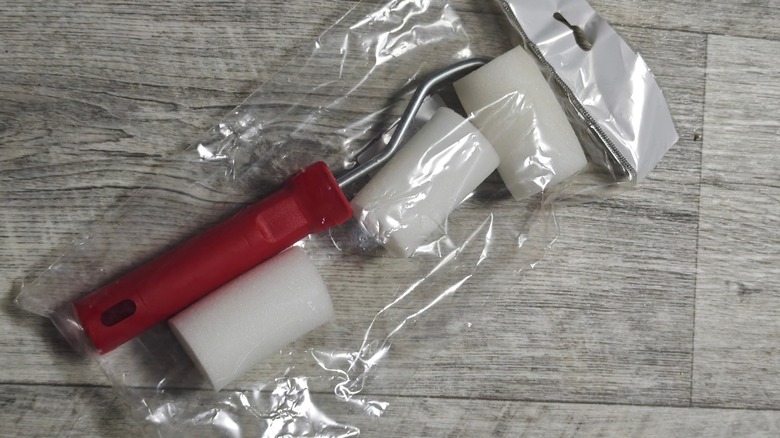
Leaving the roller in the bucket is a short-term strategy to save paint and time, not a long-term storage solution. Another option is to put the fully loaded roller cover in a plastic bag instead.
The plastic bag method is almost as easy as leaving the roller in the bucket. Once the roller cover, also called a sleeve, is in the bag, you can pull it off the cage (the part of the frame that holds it) without touching the paint. Then squeeze out excess air and seal the bag to help keep the paint from drying out. When you come back to work, you can use the bag to slide the cover back onto the cage. You can also cover the roller with aluminum foil, which conforms to its shape.
Some pros recommend putting the roller in the fridge for extra protection. Benjamin Moore recommends wrapping the roller in plastic wrap and refrigerating it if you'll use it again within a few days. Don't put it in the freezer, though, if you're using latex paint. Freezing can damage the paint. Let a refrigerated roller warm to room temperature before using it again.
Once you finish the project, clean the roller and dry it before storing it.