

Two Cabinet Styles Boomers Loved That Are Making A Comeback
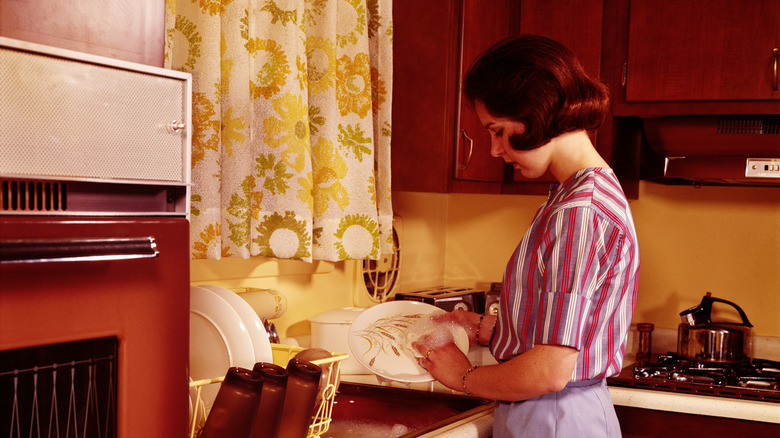
Similar to fashion trends, home design preferences are cyclical, and we often see them coming back around. So it goes in the realm of cabinetry, as evidenced by two once-loved cabinet styles among the baby boomer generation: Wood veneer and glass-front doors. As these designs previously drifted into the dated category, warm wood tones were painted in whites and cool neutrals, while kitchen cabinet refacing and replacements swapped out glass-front doors for solid wood.
Now, however, we're seeing a boomerang effect on these boomer favorites. For example, the 2026 U.S. Houzz Kitchen Trends Study found that wood grain had once again taken the lead over painted cabinets, and 59% of respondents viewed it as growing in popularity. While this doesn't call out wood veneer specifically, the renewed appreciation for natural wood finishes certainly creates an opening for this once-dated cabinet material. Glass-front cabinets are also having their moment as designers are finding new uses for them, particularly as a more practical alternative to open shelving.
This renewed appeal isn't strictly about recreating the cabinets of kitchens past, but rather a refresh within a more modern context. Wood veneers are an affordable way to bring some much-needed warmth to a room full of boxy appliances and sterile countertops, while glass doors offer an opportunity to showcase your favorite pieces without the constant hassle of dusting them off.
The return of glass-front cabinetry
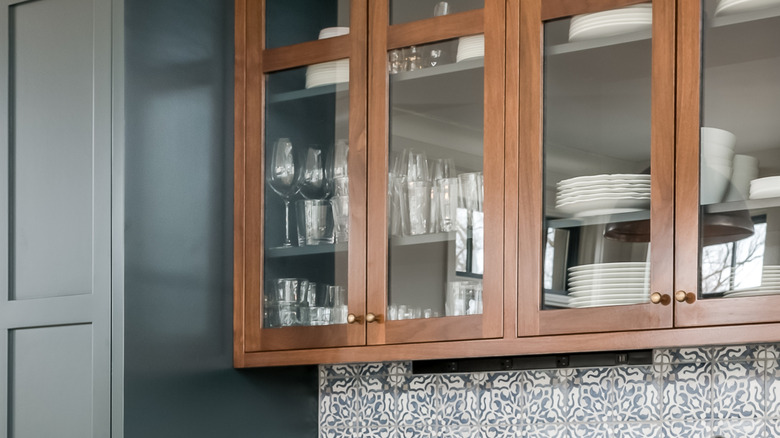
Glass-front cabinets were once a familiar feature of the kitchen or dining room in boomer homes, typically reserved for the untouchable "good" china, crystal glassware, and other pieces that rarely graced a dinner table. Today's versions aren't nearly as formal, as younger generations are largely abandoning fine china and other cumbersome occasion-specific pieces. Still, modern glass-front cabinetry has its place, often as a practical alternative to open kitchen shelves, offering similar display potential but without opening the door to dust.
And you don't have to have matching spice jars or a collection of aesthetic-but-impractical dishware to make glass cabinets work. Clear glass is great for a curated display, but textured options like reeded or fluted glass can distort the view while maintaining the visual interest of contrasting textures between glass and wood.
A few glass-front upper cabinets, a vintage glass-doored hutch, or even a single lighted curio cabinet can be enough to embrace the look of this resurging trend. Just be mindful about what goes behind them, as the sight of mismatched dishes or toppling Tupperware won't do any favors for your kitchen's aesthetic. That said, it's perfectly okay to incorporate a few solid doors to conceal your more utilitarian possessions.
Welcoming back wood veneer
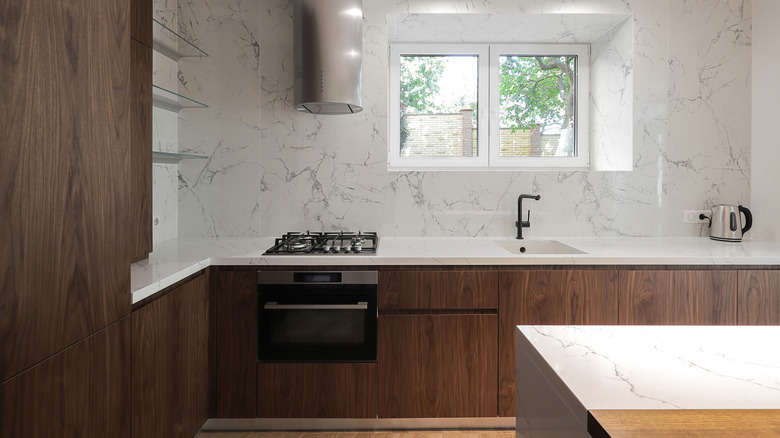
Since solid wood was expensive, wood veneer became popular in kitchen cabinetry as a more affordable alternative in the 20th century, with technology allowing for mass manufacturing and sophisticated engineering. You may have seen wood veneer cabinets alongside avocado green appliances and (occasionally questionable) midcentury modern wallpapers. While some of those design elements stay firmly rooted in the past, the enduring desire to get luxe looks for less is very much in the now. So, wood veneer is making its way into the modern home design sphere.
Unlike laminate, which is a composite made of many layers of paper, fabric, and plastic, wood veneer consists of a thin layer of real wood bonded to a substrate, such as plywood or MDF. This gives cabinets the natural grain and texture of hardwood while using considerably less of the material, hence the much lower price tag. Modern takes on wood veneer cabinetry also emphasize sustainability, since the thin slices of natural wood make more efficient use of the timber than solid wooden boards.
Although veneer was once associated with dark woods, many of today's designs are embracing lighter shades. Oak, walnut, ash, and maple veneers are all options, each offering its own distinctive grain patterns and coloring for contemporary kitchen designs.