

Not Bait Or Traps: The Lawn Maintenance Task That Can Keep Rats & Mice At Bay
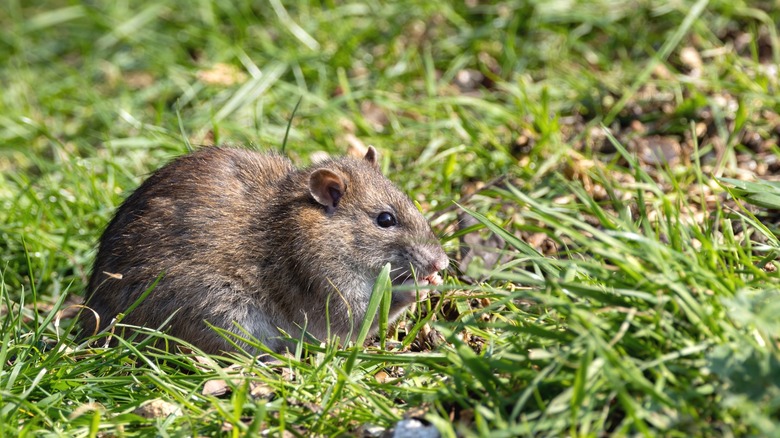
You may have heard about No Mow May, a movement to encourage homeowners to skip mowing their lawns during May to encourage the growth of wildflowers — many of which would be normally considered weeds. We mainly love it because bees and pollinators love it, since it gives them food and helps them flourish. Unfortunately, rats and mice also benefit, as the tall grass prevents them from becoming food for hawks and other predators. There are other gardening solutions to attract those more desirable backyard visitors, but cutting your grass short is a good way to keep rodents away. While baits and traps can be essential in an integrated approach when dealing with recurring rat and mice issues, lawn mowing is a simple, inexpensive, eco-safe, and pet-friendly solution to help keep vermin out of the yard and, hopefully, far away from the home.
If you're wondering how short is short enough to keep your yard free of rats and mice, the answer is about 3 inches. That's long enough for the grass to flourish without showing patchy brown or bare spots, but it's too short to provide cover for all but the smallest mice. If rodents don't feel safe on your lawn, they'll avoid going there. There are plenty of other places for them to hide, though, so while cutting your grass short may be a good way to start rodent deterrence, it isn't all you need to do. You also have to clear lawn debris, including leaves and old branches. Pull weeds growing along the edge of the lawn, and trim overhanging branches from shrubs and small trees that provide hiding places. Think how exposed a rat or mouse would feel in a parking lot; that's how you want it to feel on your lawn.
Mow and keep the yard clear to keep rats and mice away
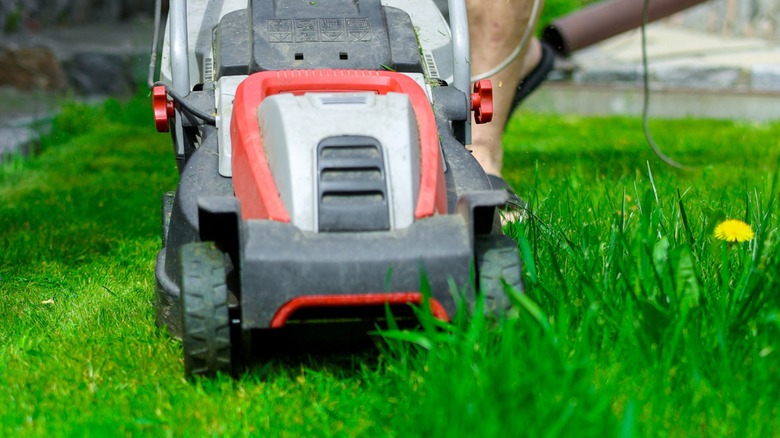
Depending on the condition of your lawn, cutting it short may not be enough to deprive rodents of hiding spaces. If the lawn has a well-developed thatch layer, which is a layer of old roots and dead grass that covers the ground under the visible grass blades, mice and rats can burrow into that and hide for as long as they want. Plus, thatch can encourage grubs and other small pests to thrive, further hurting your lawn while also giving rats and mice another food source. You generally add to the thatch layer whenever you cut the grass too short, so it's important to maintain that 3-inch height. Even so, you may have to dethatch the lawn if the thatch layer is getting too thick (typically over ½ an inch). After mowing, raking, and dethatching, remove any piles or clumps of grass and lawn debris to eliminate potential rat or mouse hiding spots.
Dethatching the lawn removes essential harborage and resources, but it also ties to another key aspect of preventing rodents: eliminating sources of standing water. Rats and mice need water to survive. If there's an accessible source on your property, they may risk going to it, even if it means exposure to predators. While ongoing standing water issues may require the installation of French drains or use of pumps, simple tasks like dethatching and aerating your lawn as part of your mowing and maintenance routine can promote better drainage, fewer pest problems, and an overall healthier yard.