

Not Asphalt: The Eco-Friendly, Hail-Resistant Roofing Material You Should Consider
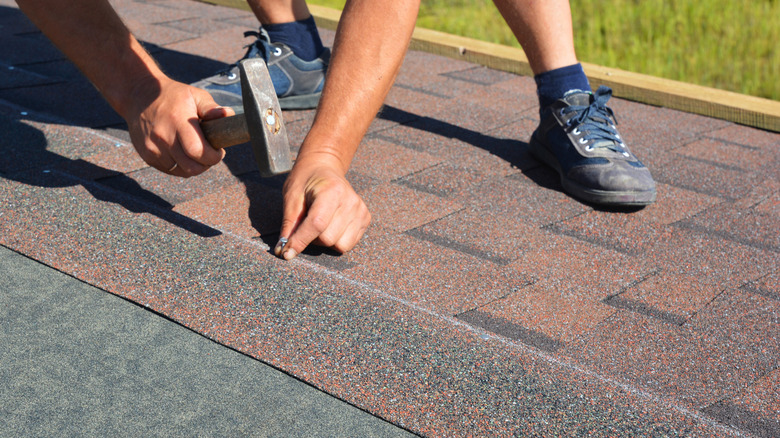
The ideal roof keeps your home safe and dry without sacrificing style or the environment. When looking at the different types of roofing, you may notice that asphalt is frequently recommended as an affordable, easy-to-install, and aesthetically versatile option. However, there are a few drawbacks to asphalt shingle roofs. Asphalt doesn't resist weather damage, especially hail damage, very well, and it's not particularly good for the environment. If you live in an area where hail is common or you're trying to be eco-conscious, a better option might be rubber roofing. Rubber roofing resists hail better and lasts longer. It's also frequently made from recycled materials, making it a good choice for the environmentally-conscious homeowner.
When it comes to hail, rubber's flexibility and waterproof nature give it the edge over asphalt. Asphalt shingles may crack or even break off entirely under the force of a hailstorm, particularly if the shingles are on the older side. Meanwhile, rubber can bend and flex to absorb the force, allowing hailstones to bounce off with little to no harm. However, rubber isn't completely immune to damage from hail. You may see small dents, scuffs, or scratches, and individual rubber shingles may be knocked loose. The eco-friendly aspect comes into play in two ways. Firstly, rubber roofing can last decades before needing to be replaced, which reduces the overall amount of material your roof needs in a lifetime. Additionally, there are many rubber roofing options made from recycled tires or other rubber sources, which keeps them out of landfills.
What to know before installing rubber roofing
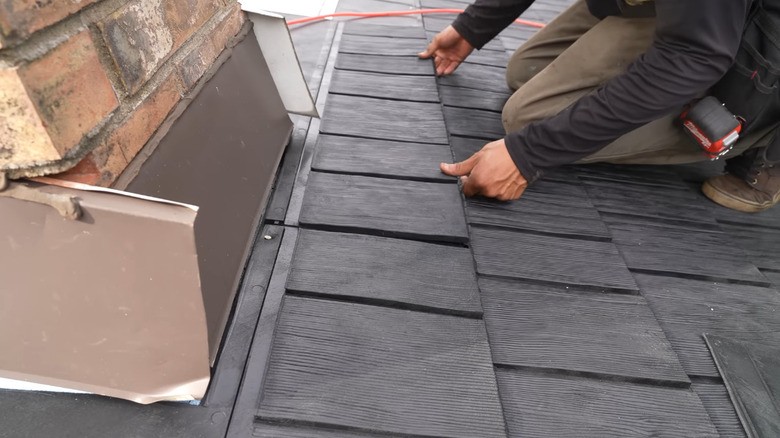
Rubber roofing may be more durable and eco-friendly than asphalt, but there's more to consider when selecting roofing materials There are a few different types of rubber roofing, most of which are generally used for commercial buildings or sheds rather than homes. These are typically installed as sheets or liquid coatings, which may not be the most stylish option. For your home, you'll most likely want to look for rubber shingles or tiles. These are molded to resemble other types of shingles, making them more aesthetically pleasing. If you want to install your own roofing, you'll be pleased to know that rubber roofs are generally easy to install. However, the process varies depending on the type of rubber roof you're installing and the building you're installing it on; sheds and small structures are generally easier to roof than houses with complex rooflines. If you find yourself feeling intimidated, then contacting a professional for assistance is a good idea.
There are a few potential downsides to rubber roofing, although they're surprisingly minor. While rubber is resistant to hail and severe weather, it can become scuffed relatively easily. This may impact the aesthetics of your home, especially if you live somewhere with more extreme weather events, as your roof may be scuffed or scratched by hail or wind-blown debris. Cost is also an important factor to consider. The cost of rubber roofing compared to asphalt shingles is a little higher upfront, but you may save over time as it needs fewer repairs and replacements.