

How Long Does It Take To Repair A Floor After A Flood? Here's What To Know

A flood often means more than a soggy attic or basement. For many homeowners, water damage can ruin carpeting and hardwood and reach subfloors beneath flooring that may itself resist water, like vinyl or tile. Before long, lingering moisture can lead to mold growth that poses health risks, while flooding can also cause serious structural and electrical damage, threatening the value of your entire home. But how long does it take to repair a floor after a flood? To find out, Hunker spoke with Paul Henthorn, president of Slaughterbeck Floors, about the flooring repair and restoration process after flooding. In this exclusive interview, Henthorn said there's no definite timetable because the size of the damaged area, the amount and source of water, how long your flooring remained wet, and whether the moisture reached your subfloor or slab can significantly impact the repair schedule. In a straightforward case, it may take several days, while more extensive damage can stretch the overall process into weeks.
As extreme weather events continue to rise, it's important to know what to do if your house floods. "The first priority is to stop the source of the water and remove standing water as quickly as possible," Henthorn said, adding that you should always document the damage with your insurance company before beginning to remove or replace damaged flooring. "From there, the flooring and everything beneath it needs to be inspected, moisture-tested, and thoroughly dried before repairs begin," he explained.
One of the reasons experiencing water damage from a flood can be so stressful is that restoration may involve removing existing flooring, underlayment, and subflooring, replacing damaged boards, or laying an entirely new floor. The process can be expensive and may involve temporary displacement. But that doesn't mean you should rush. "One of the biggest mistakes homeowners can make is installing new flooring too soon," Henthorn told us.
The water source and flooring type influence repair timelines (but some damage may be hard to spot)
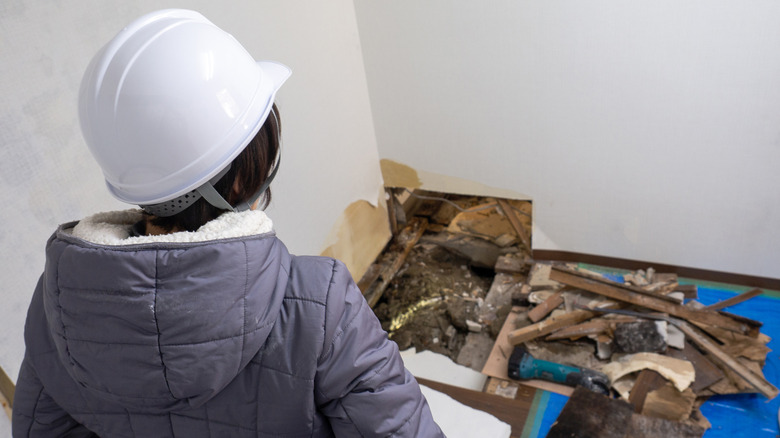
If you've had the misfortune of watching dirty water pour through your front door during a flash flood, you'll know exactly what has caused your damaged flooring. Other culprits may be trickier to determine. "The source of the water matters," noted Paul Henthorn. "Clean water from a supply-line leak may allow more materials to be dried and saved if it's addressed quickly. Sewage, drain backups, or outdoor floodwater can introduce contaminants and change what can be safely salvaged."
Although there are some ways to protect your home from flooding, no method is entirely foolproof when it comes to Mother Nature's ability to loosen shingles and drop branches onto your roofline or send a storm mighty enough to overpower the most meticulously placed sandbags. Henthorn told us there were plenty of signs you're looking at serious water damage to your floor. "Watch for visible buckling, cupping, staining, loose flooring, swollen edges, soft spots, or a musty smell," he suggested.
Unfortunately, whether you're dealing with a quiet leak in that guest room you rarely use or a room that looks dry after powerful fans have been running, you won't always be able to see the full extent of the damage. Swollen areas, stains, or delaminated flooring are obvious signs. Carpet and padding can hold more moisture than you might realize, too. But Henthorn said, "The bigger concern is often moisture that has reached the underlayment, subfloor, or concrete slab." The flooring expert urged homeowners to have a professional conduct moisture testing before deciding on the best course of action.
Flooring repairs can take several days or weeks between drying time and installation
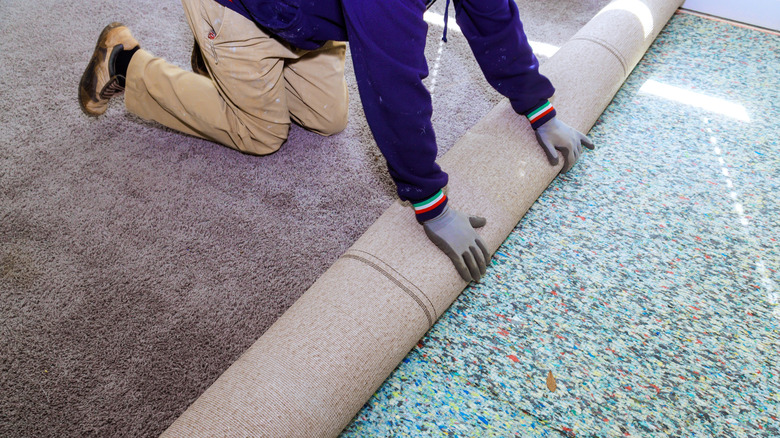
When you're dealing with water damage after a flood, it may seem like getting your floor repaired or replaced can't happen soon enough. But you'll need to muster up plenty of patience. "There isn't a single timetable because the drying process determines when flooring work can safely begin," said Paul Henthorn. Several factors influence this portion of the repair, from the amount of water to how long the materials were wet.
According to the expert, the type of flooring makes a big difference in how long repairs usually take. Carpet replacement is often among the quicker flooring jobs, although it involves removing and replacing soaked padding. The same goes for laminate and other wood-based floating floors. "Hardwood can take considerably longer because the wood and subfloor need time to dry and stabilize before damaged boards are replaced or the floor is sanded and refinished," Henthorn explained, and went on to note that sanding too early can cause even more issues. Although waterproof vinyl or composite planks can sometimes be salvaged, they still need to be removed so the floor can dry underneath. But what if you have tile or concrete? They should still be evaluated carefully and can retain moisture that needs to dry out before installing new flooring over them. However, flooding doesn't typically cause serious damage to these materials.
Once things have dried out, Henthorn said most straightforward repairs take several days. But if you had extensive flooding, those timelines can quickly stretch out. "A larger hardwood restoration can take a week or more, while a project involving significant moisture in the subfloor, slab, walls, or adjoining rooms can take much longer," he explained. "The important thing is not to let a calendar dictate when the floor is ready."