

Does Lysol Actually Kill Ants?
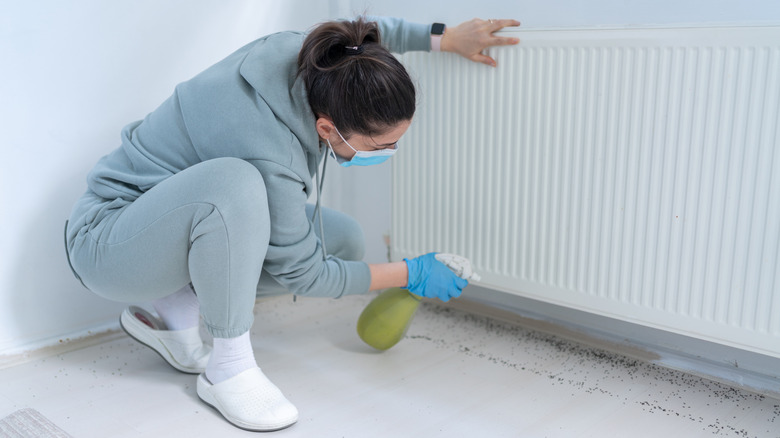
Trying to get rid of ants in your house is no fun, but ant poison and other insecticides can be intimidating to use. It can be especially nerve wracking if the ants are near your food or somewhere that pets or kids could come into contact with the chemicals used to control them. This is one of the reasons you might be considering using Lysol spray. While it is still toxic if ingested, it's a more familiar product that may feel less intimidating to work with, and there are even some pet-safe Lysol products. Lysol can kill ants, however you should know that it isn't an effective long-term solution for pest control in your home.
Lysol can kill ants on contact, as long as it is sprayed directly onto them. You can use it to get rid of the ants you see in your immediate vicinity. Depending on the type of Lysol spray you have, it may contain different compounds, including ethanol and hydrogen peroxide. Both hydrogen peroxide and ethanol can harm ants, making Lysol a convenient solution for clearing ants off your counter or floor. However, it doesn't provide long-lasting protection. Cleaning your counters with Lysol won't prevent the ants from returning, and ants are likely to avoid any Lysol puddles that didn't make contact with them. Additionally, it may not impact their nests and eggs. Unless you can find and spray the nest directly, you aren't likely to see an impact on the overall ant population in your home.
How to use Lysol to get rid of ants
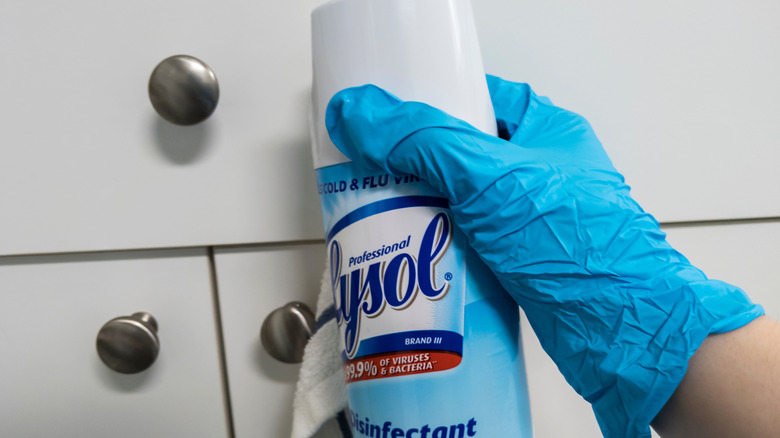
Lysol works best for short-term cleaning. It may be an effective part of your long-term pest control strategy, but only when combined with other pest control methods. If you're having a dinner party outside and need to get rid of some ants before your guests arrive, for example, then Lysol may work just fine on its own. If you have a more serious infestation in your home, however, then Lysol would likely not be enough. You can use it to eliminate the ants that are visible off of your countertops and stop them from spreading. Simply spray the solution on them directly, let them soak in it for a bit, then wipe the counters down.
After using the Lysol, you'll need to address the infestation directly. Look at where the line of ants started to identify their entry point or nesting site. Sealing the gaps they're using to get in is a good first step, and you might need to learn how to kill bugs in your wall if you suspect the ants are nesting there. But if they're coming from outside, you can use Lysol to clear out any ants actively in the gap before sealing it, as long as you dry it off before applying your caulk. Once the gap is sealed, try to figure out why ants are coming into your house in the first place and eliminate what might be attracting them.