

What Your Pepper Plants Need In September So They Come Back Thriving Next Season
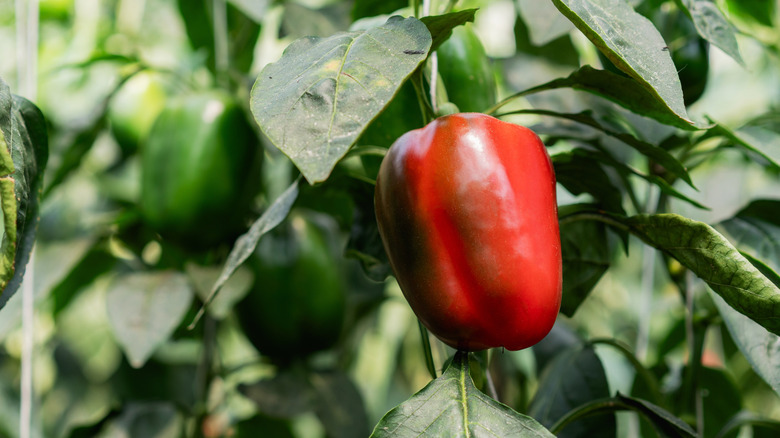
Whether chili or bell, fresh peppers (Capsicum spp.) are a fantastic addition to meals and gardens. While people often grow peppers as annuals, many pepper species and varieties are actually perennials. However, they don't thrive in cold weather and usually die once the frosts arrive. If you want your peppers to come back next year, you'll need to prepare them for overwintering before temperatures drop below 50 degrees Fahrenheit. Ideally, you should tackle this a few weeks before your first frost, which falls in September or October for most of the country. This makes early September a good time to get your pepper plants ready so they come back next year and thrive.
The trick to keeping your pepper plants alive through winter is soil temperature: If the soil gets too cold, the roots of your pepper plant are damaged. Insulation can help, so add a layer of mulch around your plants before the ambient temperature drops too low. It's important to get this done early in the fall season to prevent damage. The first frost can arrive in September in northern regions, and surprise early frosts sometimes happen. If you live in zone 9 or warmer, a hearty layer of mulch may be all you need to keep your pepper plants alive through winter. It's a good idea to keep some row covers or frost blankets on hand to protect your plants from frost, just in case your area experiences an unusually harsh cold snap (20 degrees F or below for a few days). In cooler regions though, you may have to take additional measures, like bringing your plants indoors for the winter.
Bringing your pepper plants indoors
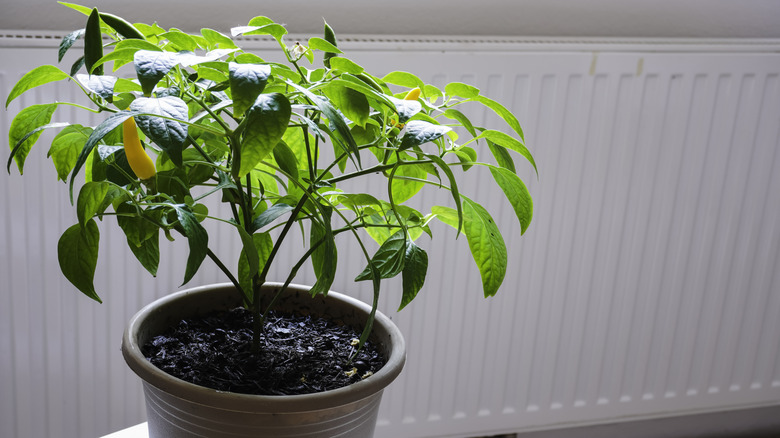
If you live in zone 7 or colder, you'll need to bring pepper plants indoors starting in early September, even if it means digging them up, roots and all and moving them to a large pot. The good news is that peppers are actually one of the easiest vegetables to grow indoors over the winter. It's important to do this before the weather gets too cold for a few reasons. Of course you want to avoid frost damage, but it's also good to limit their stress. Transplanting is already stressful, and you won't want to add on the stress of cold weather to it. Plus, the ground will be more difficult to dig through as it freezes.
If you're already growing your peppers in containers, the process is easier, since you can just pick them up and move them. But if you're digging them up out of your garden, just dig around the compact root ball. The roots run about half as deep as the plant is tall, and is smaller than the foliage spread. You can pot them with the garden soil they're already in, but keep in mind that there may be bugs living in it that you'll be bringing indoors.
Since pepper plants are dormant through the winter, you don't need to worry about grow lights or fertilizer. Just find a place in your home where they'll be away from drafts and not too cold. Pruning your plants before you move them can also be helpful, to ensure they fit in the containers and encourage them to go dormant. Remove any damaged or diseased stems first, then prune the top growth. When the weather warms up again, simply take your pepper plants back outside, replant them, and enjoy your head start on the next growing season.