

More Character Than Paper Plates: The Eco-Friendly Option For Summer Entertaining
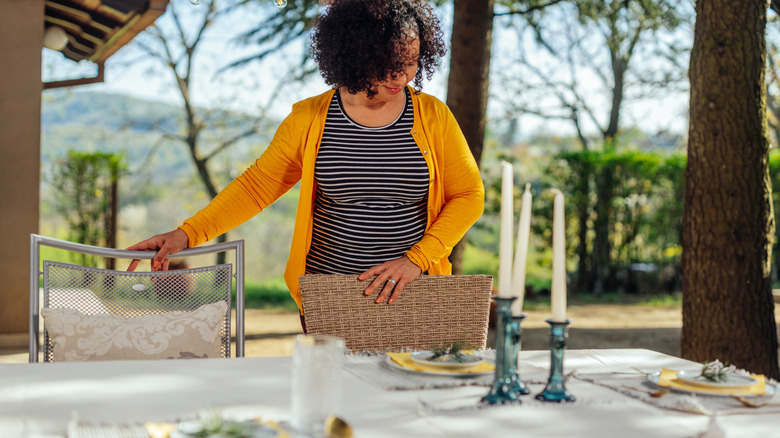
When the weather gets warm, it's the perfect time for picnics, outdoor entertainment, and backyard barbecues in beautiful outdoor spaces. If you're serving food, you naturally need something to serve it on. Many people turn to paper plates because they are cheap and often sold in large packages. However, if you're looking for an eco-friendlier option, bagasse tableware is the perfect choice for summer entertaining.
Paper plates are often flimsy and can leak when they are weighed down with food. Some are even coated in plastic, making it impossible to recycle. Styrofoam plates are also bad for the environment because they aren't biodegradable, taking approximately 500 years to break down in landfills. Bagasse is eco-friendly, durable, and leakproof, making it a smart alternative for outdoor entertaining. You can pile bagasse tableware high with condiments and gravy without worrying about your plate buckling or collapsing in your lap. Because they are eco-friendly and break down naturally, these dishes can go straight into your compost pile instead of in the trash or the recycling bin.
Bagasse is made from sugar cane that's been processed to remove the juices. This leaves behind organic waste that's cleaned and mixed with water to form a paper-like pulp. The pulp is placed into molds and hardened into stylish, eco-friendly tableware.
Things to look for when purchasing bagasse dinnerware
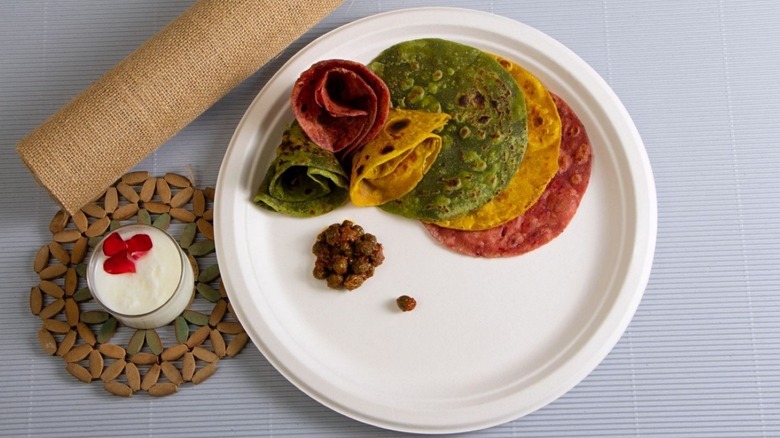
If you're truly looking for a more sustainable product and a way to make you the ultimate host, there are a few things you need to consider when purchasing bagasse tableware. First, unbleached bagasse or tan-colored bagasse plates are better for the environment because they're in their purest form. White bagasse dinnerware has been bleached. Most eco-friendly companies use an elemental-free or chlorine-free bleaching process that uses high temperatures and steam, reducing the amount of chemicals and toxins in the product. However, others may use chlorine-based bleaching to make the plates white. To ensure your plates are chemical-free, look for terms like "unbleached," "natural," chlorine-free (TCF)," or "elemental chlorine-free (ECF)."
Another thing to watch for is how the plates are coated. If the plates have a shiny appearance, there's a good chance they've been coated in plastic to help make them more resistant to grease and liquids. Look for products that state they are PFA-free.
Bagasse tableware comes in different sizes and shapes, and you can even find plates with multiple compartments, which are ideal if you don't like your food to touch. Some bagasse plates even have a ridged edge, giving them an elegant appearance. A final benefit is that bagasse plates and bowls are heat-resistant and microwave-safe, so you can safely use them to warm up leftovers.