

What Are Yellow Extension Cords Used For?
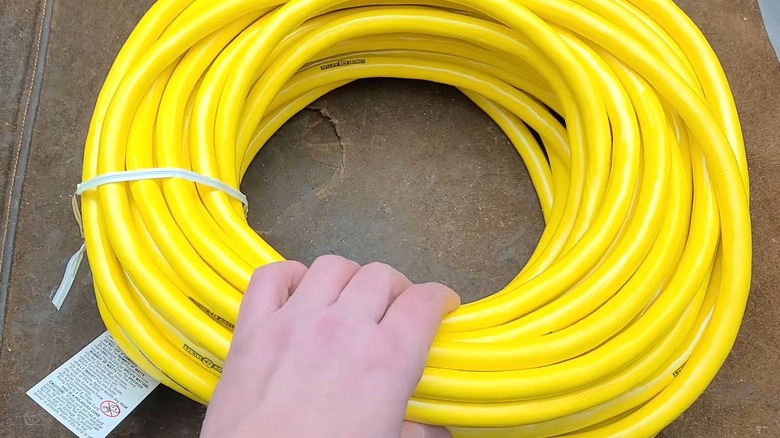
When operating power tools and other heavy-duty equipment outside, the types of extension cords you choose matters, with even minor details like the color impacting their safe and efficient use. In some instances, you should avoid colors like white or brown, as they can disappear among snow, grass, dirt, and other natural elements to create hidden trip hazards and risk accidental damage. That means the better option is to get a highly visible option, such as a yellow extension cord. Because the color is so bright and contrast-y, the yellow line won't get lost as easily in your yard or against the pavement in your garage, and you're far less likely to have an accident or misplace it when it's stored in a dark cabinet or container.
Yellow extension cords are frequently meant for indoor and outdoor use, but the color has little to do with their effectiveness. In fact, manufacturers like DeWalt and Yellow Jacket use the yellow color with their cords as part of their branding, regardless of the specs. You'll find yellow extension cords in a range of gauges, amp ratings, and sizes, with some lengths exceeding 100 feet to expand the reach of your equipment and give you more flexibility to create a safe and efficient workspace.
Using a yellow extension cord indoors and outdoors
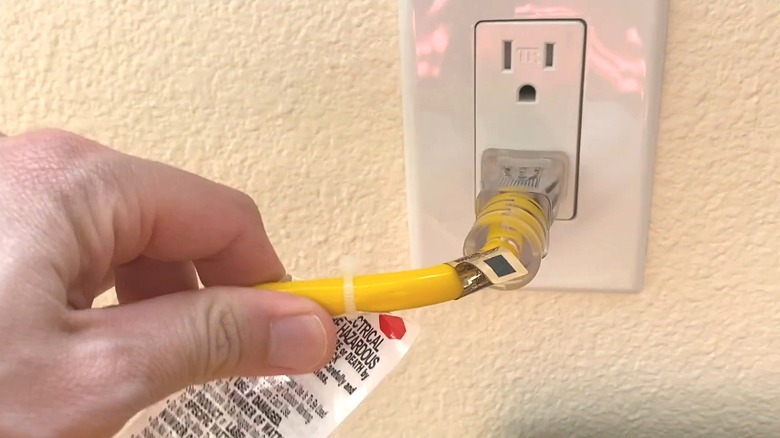
Yellow extension cords are a great choice if you do a lot of projects with power tools and need a versatile electrical cord. However, no extension cord can do it all, and there are major differences between indoor and outdoor options that make each suited for its given task. Yellow extension cords generally aren't as lightweight as typical indoor extension cords, so they might not blend into your home as easily. But if you'll be using the cord inside your home, chances are that its ability to be hidden among your home decor isn't a necessity. The main goal is having enough power in your extension cord to comfortably maneuver heavy-duty tools without sacrificing range of motion.
Checking the UL certification, electrical cable classifications, and unique usage codes (such as "W" for a weather-approved outdoor cord) for each extension cord is essential no matter the color. Certain cords may have higher amperage to safely run more powerful machines or better insulation to protect against weather, extreme temperatures, moisture, and sunlight. For instance, leaf blowers and trimmers might need only 13 amps, while a table saw may need an extension cord that supplies 15 amps of power.
In addition to yellow, extension cords meant for outdoor use are sold in bright colors like orange and red so you won't miss them while navigating your yard or work area. However, you'll an also find them in colors like blue, black, and green, which often blends into landscaping and complements outdoor lighting. Keeping other colored cords alongside your yellow extension cord can help you quickly identify the appropriate cord for your task, and if you're running multiple cords next to one another, different colors will make it easier to trace the power lines.