

Forget Tile Floors: A Waterproof, More Attractive Alternative
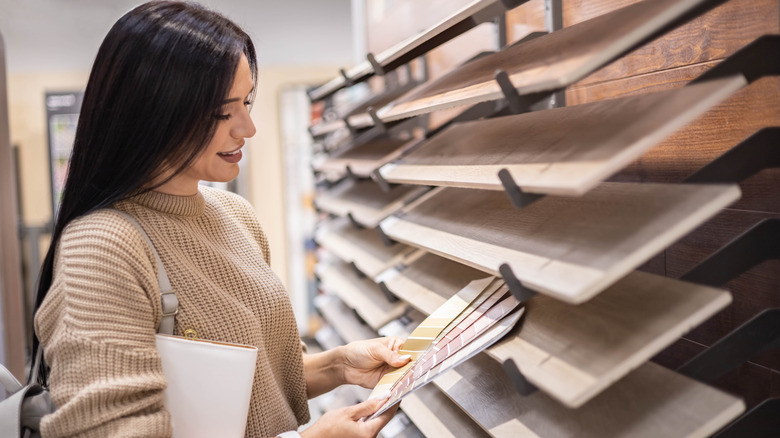
From kitchens to basements, tile flooring is a staple material for preventing water damage in places prone to moisture. However, if you're after a different style in one of your most frequented parts of the home, then it's time to lock in on a tile floor alternative. Waterproof hardwood floors bring that natural wood look to your home while offering protection against water damage.
Waterproof hardwood flooring is a type of engineered flooring, also called wood composite or hybrid wood, that's not 100% solid wood. Instead, the flooring contains layers of wood composites, sealants, veneers, adhesives, and other materials that enhance its performance and give it an edge over traditional wood flooring. Every brand uses its own proprietary combo for engineered hardwood floors, but most waterproof hardwood flooring has a sealed veneer layer of solid hardwood and a waterproof plywood composite core.
You can customize your engineered hardwood flooring just like you would any hardwood floors, thanks to its authentic top layer of solid wood. Common hardwood materials for the top veneer layer include oak, hickory, birch, and maple. Oak hardwood flooring is a popular option because it comes in two different types, red and white, is long-lasting and abundant, and offers a medium tone that makes it compatible with many home styles. Hickory is even more durable and scratch-resistant than oak and contains unique wood textures that contrast with the light wood tone. Birch has a light, warm tone and a more subtle grain pattern that's ideal for brightening a room, while maple is stain-friendly, making it easy to adjust the tone to your aesthetics.
Waterproof hardwood flooring pros and cons
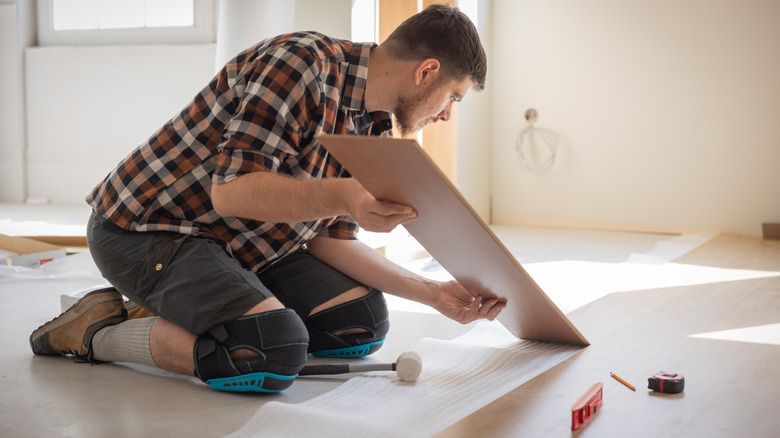
Unlike tile, which can sometimes look a little sterile, waterproof hardwood flooring retains the appearance of traditional wood flooring. This makes it a great choice for those who love the warm, authentic appeal of natural wood. The natural grainy texture of engineered wood helps prevent slipperiness, and the padding within the flooring's layers makes for a more comfortable surface than tile flooring, which can be cold, hard, and slippery when wet.
Waterproof hardwood floors do have a few disadvantages to keep in mind, however. Hardwood flooring costs more than tile, falling between $3 and $16 per square foot on average. Meanwhile, ceramic costs between $4 and $8 per square foot. While this means you'll usually spend much more on engineered hardwood flooring, some premium tile materials can still end up costing more.
For some homeowners, it's also not always a good idea to use hardwood flooring, even if it's waterproof. There's debate as to whether waterproof hardwood is indeed 100% waterproof, since the veneer is still wood, after all. This means that, in areas with a higher risk of flooding, spills, high humidity, and evaporation entrapment, you're better off sticking with the tried-and-true waterproof floorings like porcelain or ceramic tiles.