

The Insecticide Used For Decades That Is Forever Banned In The US

People have been using pesticides and insecticides for thousands of years, but synthetic options are a much more recent invention. One of the most well-known and widely used synthetic insecticides was dichloro-diphenyl-trichloroethane, or DDT. It started seeing use as an insecticide in the 1940s, but just 30 years later it was almost completely banned in the U.S. by the EPA. The last few remaining uses were stopped by the late 1980s, and since then it has not been legal to use in the U.S. for any reason. DDT was an effective insecticide, and it was particularly helpful in controlling mosquitoes to prevent malaria. However, DDT also caused major environmental damage and had health ramifications for humans.
Within the same decade as its release, some scientists were already worried about the impact of DDT. However, it was Rachel Carson's 1962 book "Silent Spring" that really kickstarted the discussion around it. Carson collected stories and studies detailing the massive loss of wildlife, particularly among birds as DDT caused their eggshells to be too thin. Animals at the top of the food chain, such as bald eagles, were hit the hardest, as they absorbed large amounts of the chemical through their food sources. The government didn't immediately ban DDT upon its publishing, but the increased awareness of DDT's downsides helped change the way people talked about and researched pesticides and the bad effects of insecticides. Although the full extent of the damage done by DDT wasn't known at the time, it became clear that DDT was causing problems and needed to be banned.
What happened after DDT was banned in the U.S.?
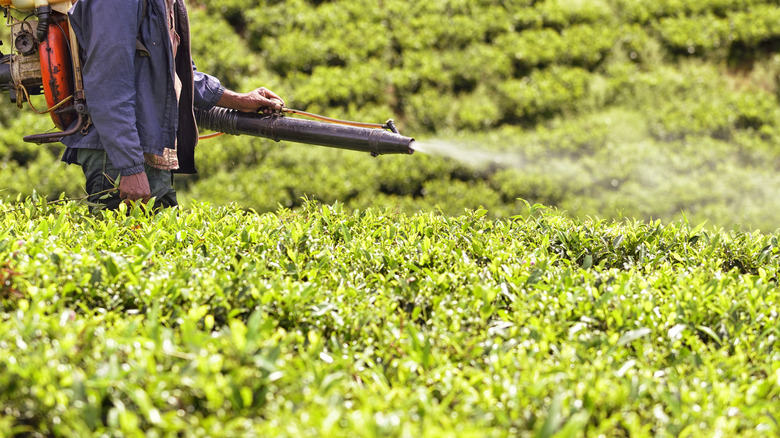
Scientists continued to study DDT and its effects even after it was banned, which is how many of its more frightening impacts were uncovered. Since its banning, DDT has been linked to tumors in animals and an increased risk for a variety of conditions in humans. One more recent study published in 2015 in the Journal of Clinical Endocrinology and Metabolism found a potential link between in-utero exposure and an increased risk of breast cancer, meaning that the impacts of DDT may be generational. Additionally, while it has been banned in the U.S. and many other countries, some countries have not fully banned it, potentially extending the impacts further into the future.
However, it isn't all doom and gloom! More and more people have been turning to natural pest control remedies, taking an interest in the environment, and lobbying for changes at higher levels to prevent disasters like DDT. Conservation efforts were able to help the bald eagle population recover to the point that they are no longer considered endangered. Some other birds, such as the California condor, have not been able to recover as swiftly and are still facing problems related to DDT-contaminated prey. However, even they are seeing improvements thanks to hard working conservationists. If you want to help, be sure you're using pesticides safely, grow a variety of native plants to support the ecosystem, and get involved in your local government to speak up for the environmental concerns that are important to you.