

6 Herbs To Plant In August Before Summer Ends
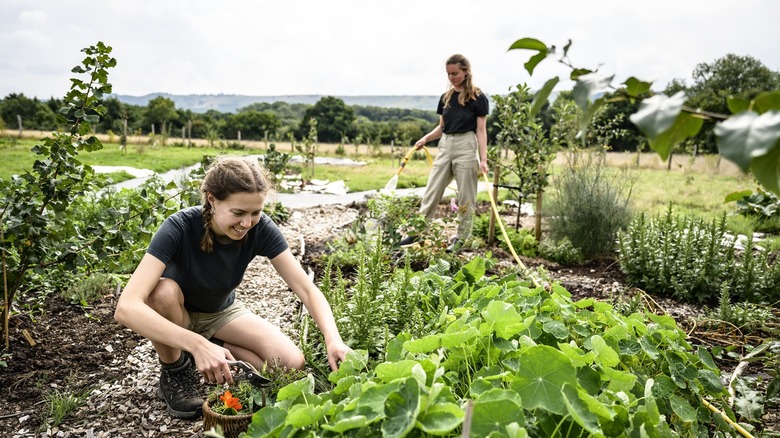
In the Northern hemisphere, the dog days of August are when gardeners start to see the fruits of their spring planting. Herbs and vegetables reach the culmination of their growth cycles, and the harvest days aren't far off. It might seem to be an inopportune time to start an herb garden or add new plants to an existing one, but that would be a misconception. A number of herbs germinate and grow quickly in the warm, dry conditions of summer and make great additions to your fall harvest.
Depending on your climate zone, the hot temperatures of August might fade quickly into the fall, or they might persist as a period of mild weather that can last into December. Either way, the August heat can hasten seed germination and root development. It can also reduce the number of pests, which are less active at the peak of summer than they are in the cooler, moister days of spring. This is even an ideal time to clear out summer crops that have already produced and plant new ones.
Besides seeding fast-growing annuals, you can also transplant perennials in August, even in cold climates. The heat helps them get well enough established to survive through the winter. August is also a great time to start herbs in a container garden that you can bring indoors when the frost hits.
Sweet basil
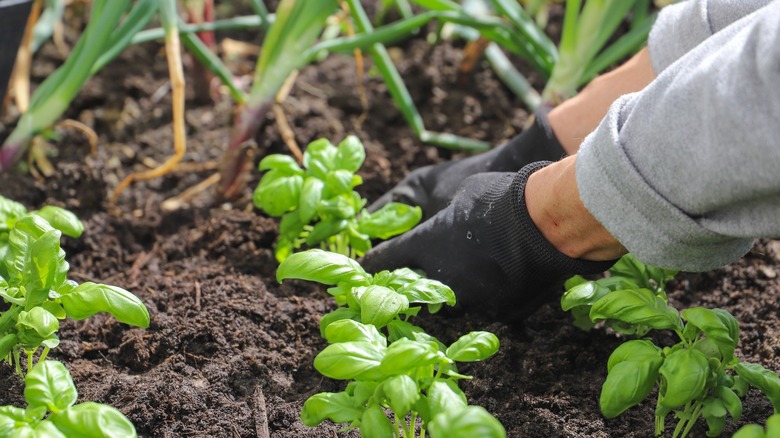
Sweet basil (Ocimum basilicum) loves full sun and warm temperatures, and it sprouts and matures quickly. So August is an ideal time to grow it from seed. It's an annual in all but USDA climate zones 10 to 13 and will likely begin producing leaves by September. Sweet basil is the main ingredient in pesto, and its powerful aroma will permeate your house if you bring it indoors. Any flowering plants start to lose their taste and fragrance. So basil plant maintenance includes nipping any flowers you see and harvesting mature leaves when they're ready.
Cilantro/coriander
Cilantro (Coriandrum sativum), also known as coriander, is a common seasoning in Mexican and Asian cuisine. It grows as a perennial in climate zones 8 to 11 and as an annual elsewhere. It's a good herb to start from seed in August, because it will do well as the weather turns cooler in the fall. If you plant it in spring, it's likely to bolt (go to seed) as the hot weather approaches. That can be a good thing if you want coriander seeds, which have many culinary uses. But if you're after young, tender cilantro leaves, planting in August can give you an abundant supply.
Dill
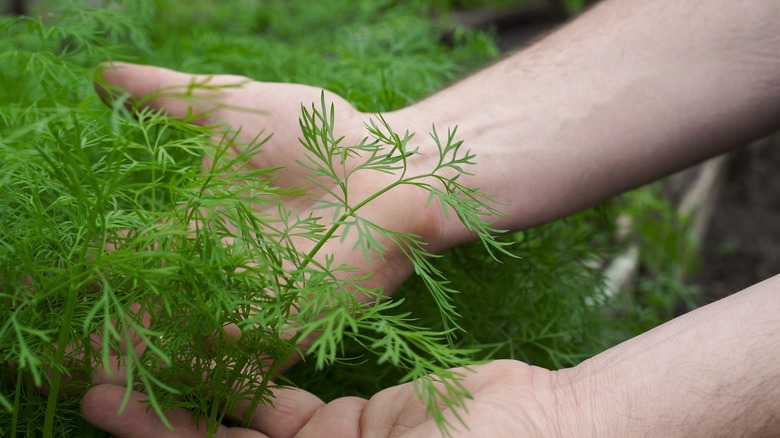
Dill (Anethum graveolens) grows in zones 2 to 11, and you can harvest both the seeds and the leaves. The seeds provide flavoring for pickles and other condiments, and dill weed leaves add flavoring to salads and cooked dishes. Growing dill is fairly easy. It likes cool weather, so you can plant it at the beginning of the season for a summer harvest and again in August for a fall harvest. If you want to have a steady supply of seeds and leaves, an August planting is actually a good idea, because by then, the spring crop will have flowered and lost all its flavor.
English lavender
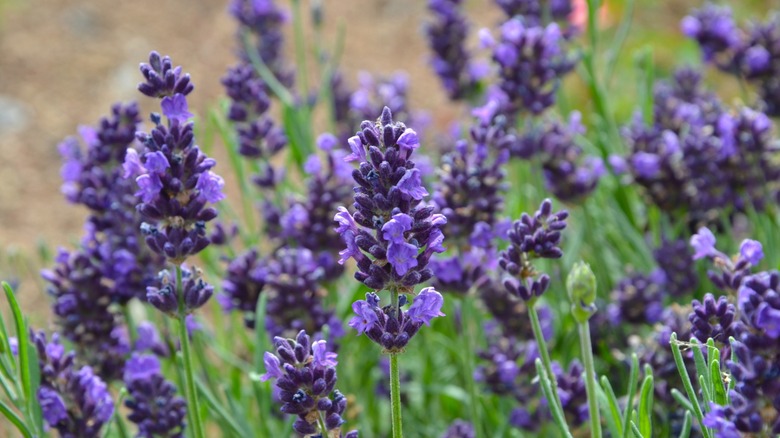
English lavender (Lavandula angustifolia), also known as common lavender, is famous for its distinctive aroma and purple, bee-attracting flowers. It's a perennial shrub hardy in zones 5 through 9. It isn't a plant to start from seed, because it grows too slowly, but it's a relatively easy one to transplant. August is an ideal time for this, because the warm weather gives the roots time to get established before the frost sets in. Lavender grows well in poor soil conditions, and once it makes it through the first winter, it requires little care.
Lemon balm
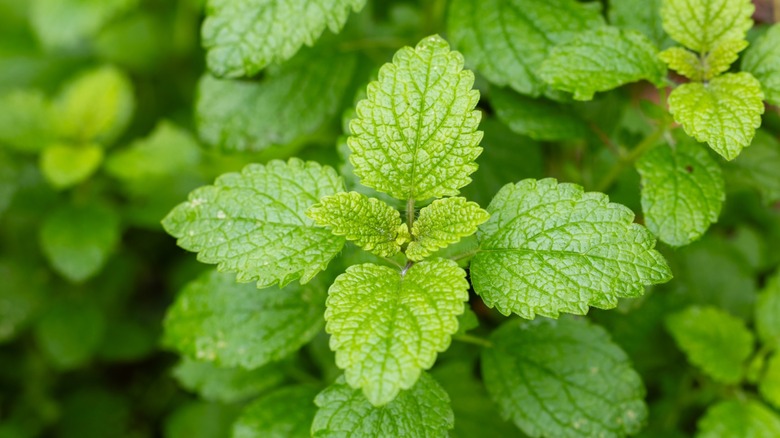
Lemon balm (Melissa officinalis) is a perennial herb that is hardy in zones 3a to 9b and is known for the citrusy fragrance and taste of its leaves. It loves cool weather, so August is an ideal time to direct-sow the seeds. They germinate easily in the warm soil, and when the seedlings emerge in the mild fall weather, they'll be able to establish before winter sets in. Once established, lemon balm is a low-maintenance addition to the garden that doesn't need much water and thrives in colder climates. It's a major attraction for bees and other pollinators.
Chives
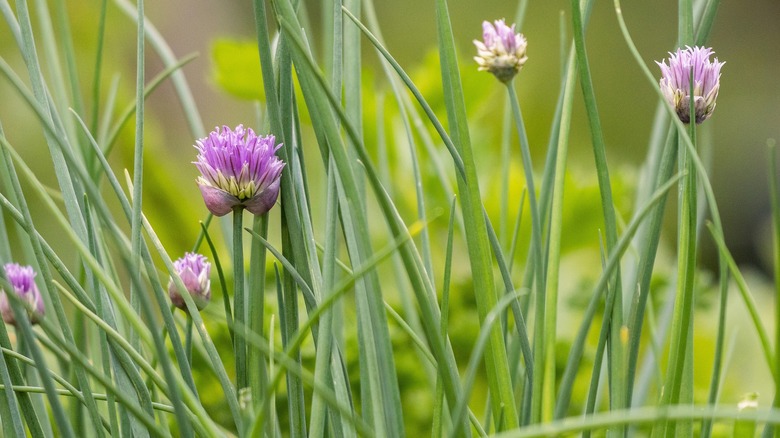
The mild onion flavor of chives (Allium schoenoprasum) makes a delicious garnish for salads, soups, and cheese dips. The plant is hardy in zones 4 to 8, and it grows in clusters of tubular leaves and displays purple flowers in April and May. If you plant chives from seed in August, they will germinate quickly in the warm soil, and you'll have your first harvest of leaves by late September or early October.