

Concrete Vs. Gravel Patios: Which Costs Less?
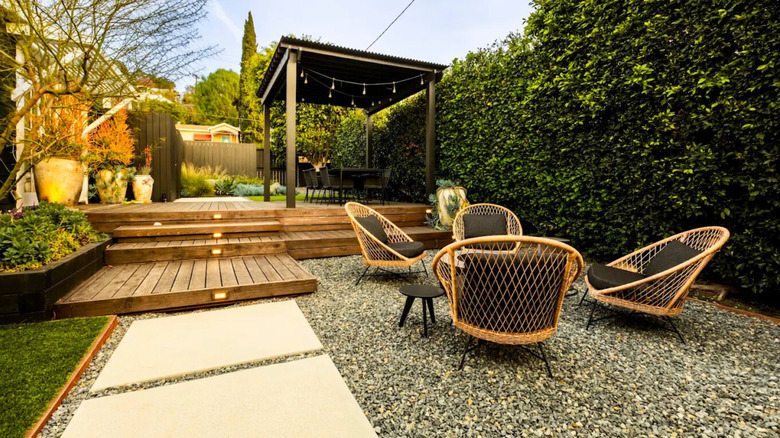
Thinking of building a patio, but can't seem to choose between concrete and gravel? Well, you are not alone; plenty of people have the same problem. If you ever try asking someone which one costs less, chances are they will say gravel. While correct, their answer is incomplete. Why? Because they are just talking about the upfront cost. If, however, you consider the cost of maintenance, too, the answer changes. In other words, gravel is easier on your budget at the beginning, but when you factor in maintenance costs, concrete can sometimes cost less.
Where does the initial price difference come from? It starts with the materials themselves. The material to build a gravel patio typically costs about $1 to $3 per square foot. As for per square foot installed, its cost is around $2 to $7. Concrete, in comparison, costs around $4 to $7 per square foot for materials alone, and when you add the cost of installation, the price can land somewhere around $6 and $12 per square foot. So, for a 200-square-foot patio, that is around $400 to $1,400 for gravel and $1,200 to $2,400 or more for concrete. Also, that is just plain concrete. If you add a colored or stamped finish, the cost of building a concrete patio becomes even higher. This, when combined with other costs like labor charges and delivery, may, in the beginning, make gravel the cheaper option.
Other reasons a gravel patio may cost less to make than a concrete patio
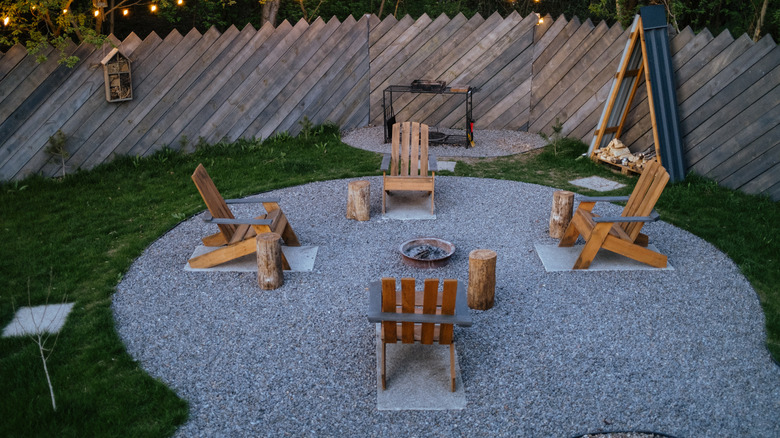
Making a gravel patio is easy. Almost anyone can lay a gravel patio. All it takes is finding some gravel patio ideas to transform your backyard into a serene oasis and a little bit of effort over the weekend, and you are good to go. Concrete, on the other hand, needs exact preparation, a properly timed pour, and skilled labor. Together, all of these things push the upfront cost high. It is also important to note here that it is just materials and labor that influence the cost of building a patio.
Delivery adds its own wrinkle, too. For instance, gravel can be purchased in tons, truckloads, or cubic yards. It is easier to order, and you can order only the amount you need. Concrete, however, usually arrives by the truckload. So, if you want to order less than a truckload, contractors might charge you a short-load fee, and this could increase the cost of your project at the end of the day.
In addition, there are permits. Municipalities and city governments sometimes require homeowners to get a permit for building a concrete structure, such as a concrete patio in their homes, which can cost around $70 to $200. Whereas building a patio or landscaping with gravel can save homeowners the cost of getting a permit in places where a permit is required. Where gravel can become expensive, though, is building an edging to hold everything together, which can cost hundreds of dollars in some cases.
Long-term costs associated with a gravel patio can make it more expensive
Unlike concrete, gravel is not an "install it and forget it" material. Even if you select gravel sizes carefully, over time, the stones migrate, and they will need to be topped off. This obviously increases the cost. Other than that, the landscape fabric underneath the gravel needs to be replaced every 5 to 7 years, which can push the overall cost of a gravel patio in the long term even higher. Concrete, on the other hand, asks for less routine attention. Plus, a well-installed concrete patio can last 25 to 30 years.
Even if cracks appear in a concrete patio, you can easily fix them using a sealer unless they are too big. Just keep in mind that if you live in a freeze-thaw region, concrete will crack more often, and it will cost more to repair it, too. Other than that, however, a concrete patio needs less attention and costs much less to maintain when compared to a gravel patio.
So, which one should you choose for your home? The answer varies. If you want pure upfront savings, choose gravel. Just keep in mind that gravel patios need regular raking, occasional topping up, weed removal, and edging, and it is a very hands-on patio material. If, however, you would rather avoid the everyday hassle and do not mind that high upfront cost, choose concrete. It will stay in shape for years without much effort from your side.