

Not Buffalo Grass: Colorado's Beautiful Landscape Alternative Attracts Pollinators & Birds
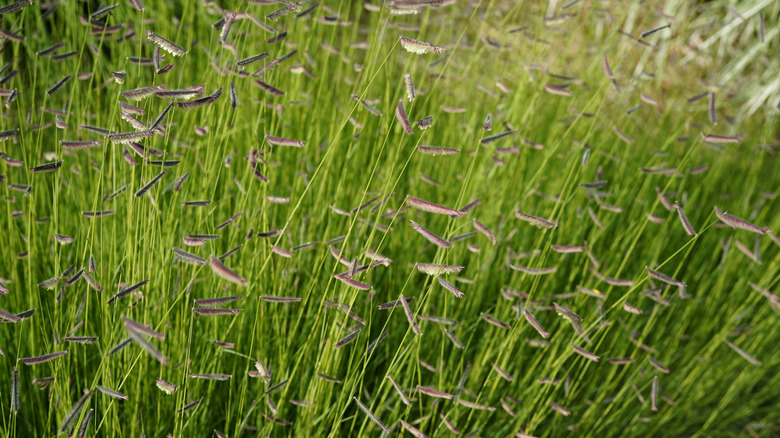
Buffalo grass (Buchloë dactyloides) gets a lot of attention in Colorado. After all, it is native to the state, does not need much water or fertilizer, and looks beautiful in the lawn. There is, however, a more unique alternative. One that is also native to Colorado and fits even better into its beautiful, rugged landscape while attracting prairie wildlife. It's called blue grama grass (Bouteloua gracilis), and is known for its dense, compact, low-growing habit and unusual flower heads that resemble tiny brushes. The grass is native to rocky woodlands, plains, and prairies of the western U.S., and it is extremely drought- and heat-tolerant.
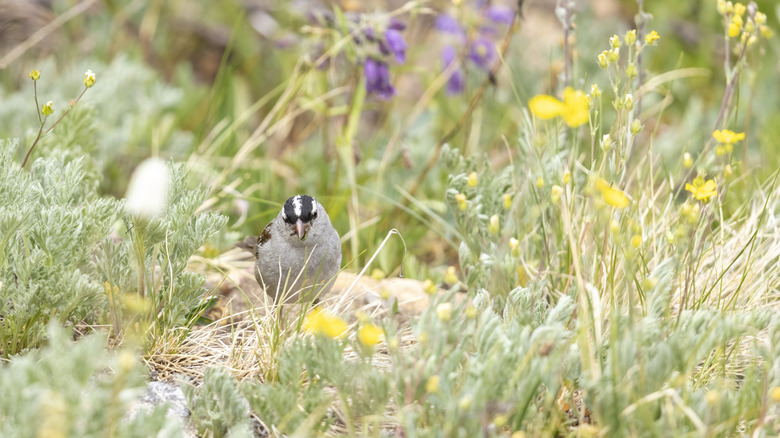
This makes it a great pick for Colorado's dry, hot, and rugged terrain. Even better? Grama grass is wildlife-friendly, too, and it attracts a number of birds, including sparrows and finches, as well as pollinators like butterflies and skippers. It also acts as a shelter for various insects, as well. The plant will grow to be around 2 feet tall with blue-gray leaves that turn brown, red, and orange during the fall. Blue grama is great choice for adding visual interest to a low-maintenance sandy or gravelly landscape with full sun.
The blue grama grass also thrives in heat. Just keep in mind that it's not a traditional sod-forming grass. It's not really ideal for lawns and turf that see a lot of traffic. So, if you are looking for grasses for your lawn, it might not be the right choice, depending on your situation. It is, however, best for slopes or other low-maintenance places where pets and children usually do not walk.
Growing and taking care of the blue grama grass for more pollinators
Please note that blue grama grass is not shade-tolerant, and it needs at least six hours of direct sun daily to grow well and flourish. If the site you plan to grow it in is naturally shady, it's best to skip it and use another grass or explore other landscaping solutions for shady areas. If you grow it in shade (especially deep shade) it becomes weak and sparse, which means it won't flower and attract those native pollinators. It's also important to keep the soil pH between 6.6 and 7.8 if you are growing blue grama grass. So, make sure you know how to adjust soil pH.
Sow the seeds when the soil is warm. In Colorado, the best time to sow the blue grama grass seed is in June and July when the soil temperatures are about 65 degrees Fahrenheit or higher. Aim for roughly 3 to 4 pounds of seed for every 1,000 square feet. Don't bury the seeds. Instead, just rake them in lightly, then slightly press into the soil, and keep it moist. They can germinate in as little as five days.
Following germination, water regularly but without getting the soil soggy. Once established, though, blue grama grass only needs to be watered once every seven to 10 days, and doesn't need any water at all during the winter. It won't need much fertilizer, either, and you only need to fertilize it once or twice when it is actively growing. Make sure to follow all label instructions. Once it's fully grown, the seeds produced by blue grama grass will feed and attract birds during the cooler seasons.