

Common Backyard Animals You Might Not Realize Are Legally Protected
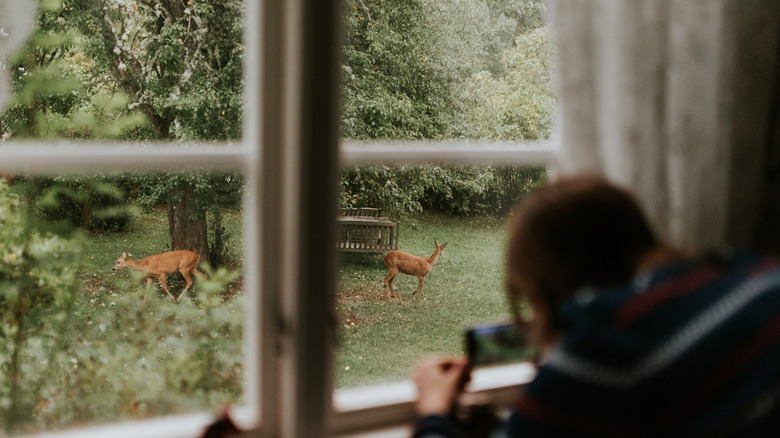
It may be frustrating to find a bird nesting in your patio umbrella or a deer happily munching on your favorite plants, but that doesn't mean you can simply trap, kill, or relocate them. From migratory birds to mammals, there are several common backyard animals you might not realize are legally protected. Federal and state wildlife laws offer different degrees of protection, but violating them can result in extremely steep fines, property forfeiture, and in extreme cases, arrest or imprisonment. When you're trying to figure out how to keep critters out of your yard, it's important to remember that not every animal can legally be removed.
Because so many common backyard animals are legally protected, do some research before assuming you can relocate or remove them yourself. The best place to start is your state's fish and wildlife agency website. The U.S. Fish & Wildlife Service also has searchable information and maps about federally protected and endangered species. The Environmental Conservation Online System (ECOS) contains a comprehensive list of species, while the Information for Planning and Consultation System (IPAC) lets you narrow down a targeted list based on your specific location. Local cooperative extension services can also be excellent resources if you need help understanding the most effective (and legal!) deterrents in your area.
If you do find a protected animal in your backyard, don't disturb it until you've figured out what actions are or aren't permitted. Instead of trying to trap or relocate animals yourself, consider licensed professional wildlife removal. Not only are experts trained in the most humane methods, they can also guide you toward fencing or motion-activated devices that will help avoid repeat visitors.
Migratory Birds
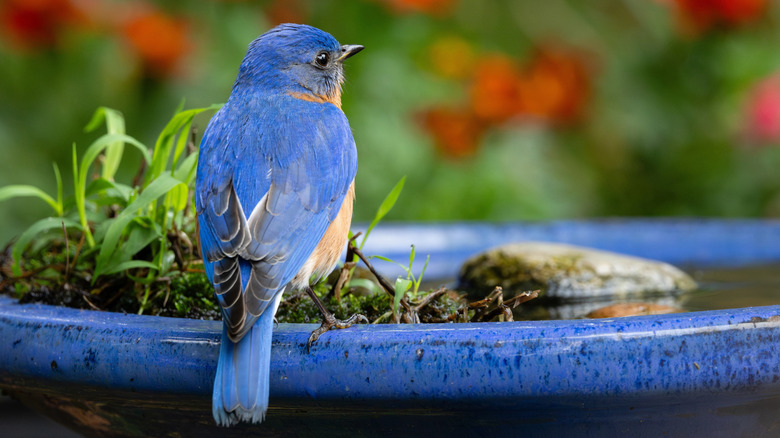
The Migratory Bird Treaty Act (MBTA) is a federal law that criminalizes the act of taking, capturing, or killing over 1,100 different bird species. The list includes many common backyard visitors, like bluebirds, cardinals, and chickadees. The MBTA also protects nests and eggs, which you should never handle or move even when you find them tucked above your gutters or in a corner of a covered porch. Along with colorful songbirds, ducks, geese, seagulls and other shorebirds are also federally protected. Although some birds may take up permanent residence, others may simply be visiting during nesting season or just passing through.
Snakes and Amphibians
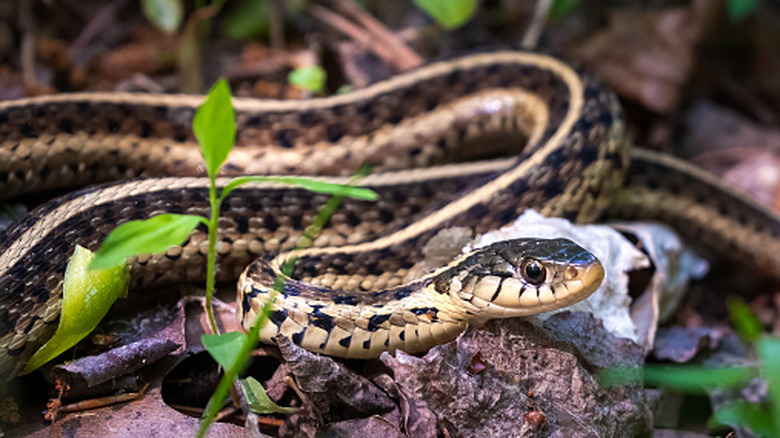
In addition to backyard birds, there are hundreds of other animals that are legally protected by the Endangered Species Act (ESA). According to the U.S. Fish and Wildlife Service more than 70% of federally-listed endangered species depend on private land. Many different snakes, frogs, toads, salamanders, and other amphibians are among them. Another federal law, the ESA prohibits homeowners from harassing, harming, hunting, shooting, wounding, killing, trapping, or capturing any animals on the list. Violations can result in fines of between $500 to $25,000.
Deer
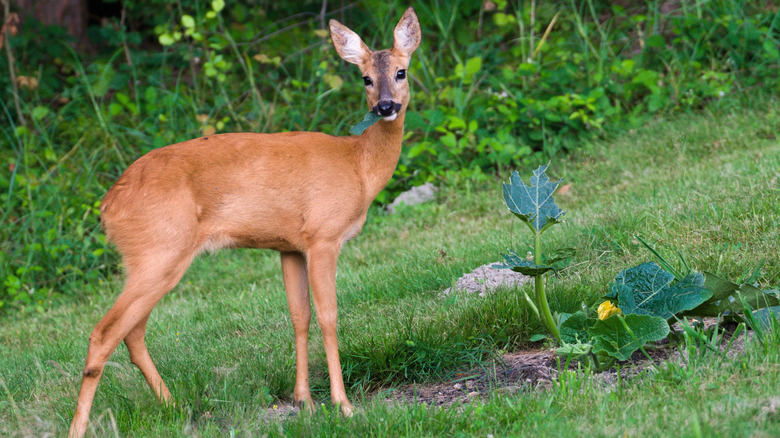
State wildlife agencies may legally protect other common backyard animals by regulating whether (or when) they can be trapped, relocated, or killed. If you're having a hard time keeping deer out of your yard, it's important to remember that the game animals are protected at the state level. Even if they're doing a number on your vegetable garden, deer have year-round protection except during designated hunting seasons. Before taking matters into your own hands, contact your local wildlife agency for guidance on deterrents, trapping, and disposal.
Turtles
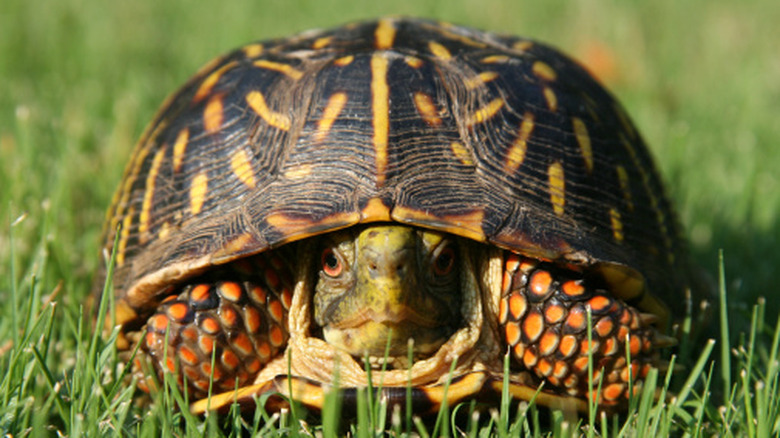
Some legal protections are regional in nature. Eastern box turtles are a common backyard animal across the East Coast. Although they're not considered an endangered species nationwide, they do have that designation in Maine (along with other classifications in New Hampshire, Massachusetts, and Connecticut.) Desert Tortoises, a frequent visitor to backyards on the West Coast, have been listed by the U.S. Fish and Wildlife Service as threatened, but California has declared them as endangered to provide additional legal protections. Meanwhile, Gopher Tortoises found along the coast from Louisiana to Florida are also protected both federally and by individual states.
Prairie Dogs
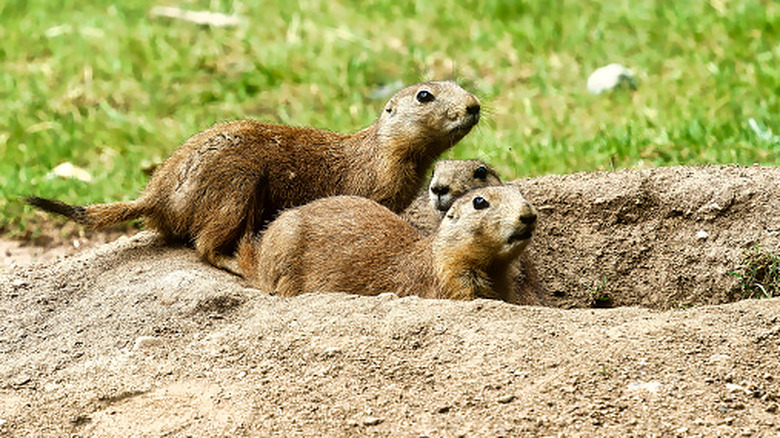
There are plenty of other backyard animals that may be legally protected both in your state and by federal laws. For example, Utah prairie dogs are federally protected under the ESA, but the state's Division of Wildlife Resources (DWR) handles trapping and relocation. The small burrowing mammals are good at aerating soil, but this trait can be frustrating to homeowners who don't appreciate finding their backyard full of holes. To support an appropriate ecological balance between the endangered species and landowners, Utah's DWR addresses the conflict by moving prairie dogs from private land to protected properties.
Bats
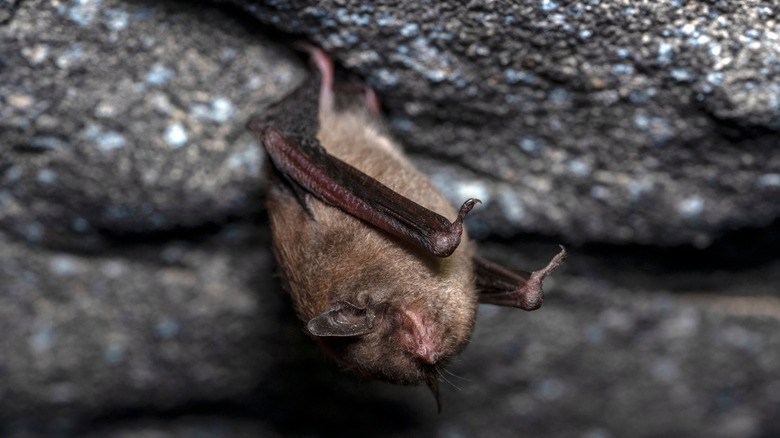
While they serve important roles in pollination and pest control, bats are another common backyard animal that become a nuisance, especially if they decide to take up residence in an attic or chimney when the weather gets cold. Due to habitat loss that threatens or endangers bat populations across the country, many species are protected by federal or state laws. In certain states including Indiana, Ohio, and New Jersey, they can only be removed during designated windows. According to the CDC, bats are the most reported common backyard animals with rabies, so you should never handle removal yourself.
Alligators
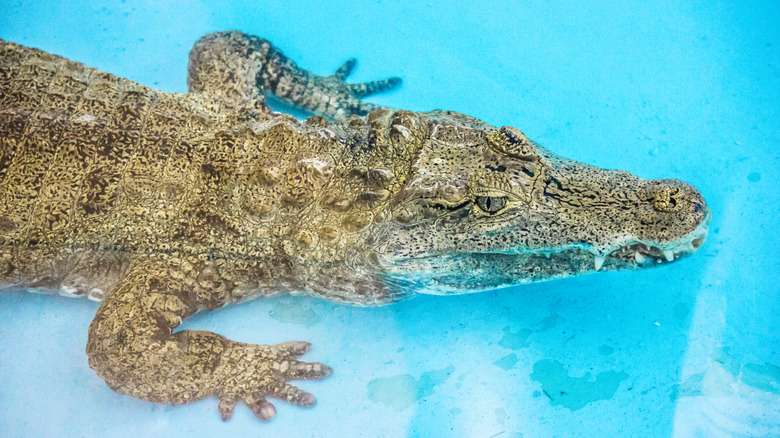
Finding an alligator in your backyard may sound like a nightmare to most people, but for homeowners in Florida, Louisiana, Alabama, and the coastal marshes of Texas, Georgia, and the Carolinas, it's more common than you might think. Conservation efforts have been successful at removing American Alligators from the endangered species list, and they're often spotted in swampy backyards and even swimming pools. Federal and state laws still legally protect the predatory reptiles, which you should never feed or provoke. If you spot one in your backyard, bring children and pets inside, and call your local wildlife authority for assistance.