

9 Herbs To Prune In July For A Well-Maintained Garden
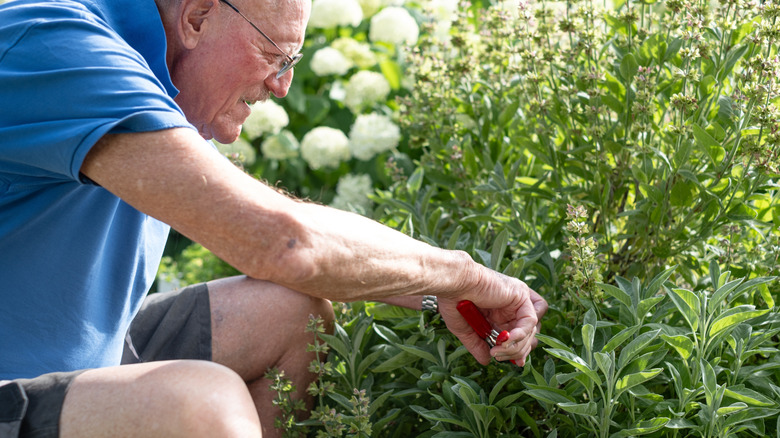
You'd think that with spring being a distant memory, you can finally take a break from pruning your garden. But turns out, even when summer is in full swing, you'll always have a plethora of plants that could use a nice haircut. Although most herbs are typically pruned in early spring before they post new growth, some, such as mint, basil, oregano, sweet marjoram, lemon balm, summer savory, and rosemary, benefit from summer pruning in July.
With July marking the middle of the growing season in many areas, herbs placed in the right conditions are likely growing well. However, as the summer peaks, they start to grow long-limbed and gangly, and the woodier herbs may further harden over the season, growing tasteless when left to their devices. Some annual herbs may be ready to bolt and set seed, and delaying that becomes essential to enjoying them into the fall.
So, to help improve their productivity, flavor, and growth, it becomes necessary to prune some herbs mid-summer. But do note that you don't have to go all out around this time. If you cook regularly and harvest them often, you may have to prune little or not at all. You can also get by pinching off the top growth and not really require a handy pair of pruning shears. Aim to prune in the morning before the summer heat kicks in so the foliage won't dry out. With the basics established, here are the specifics on pruning nine herbs in July for a healthy garden.
Mint
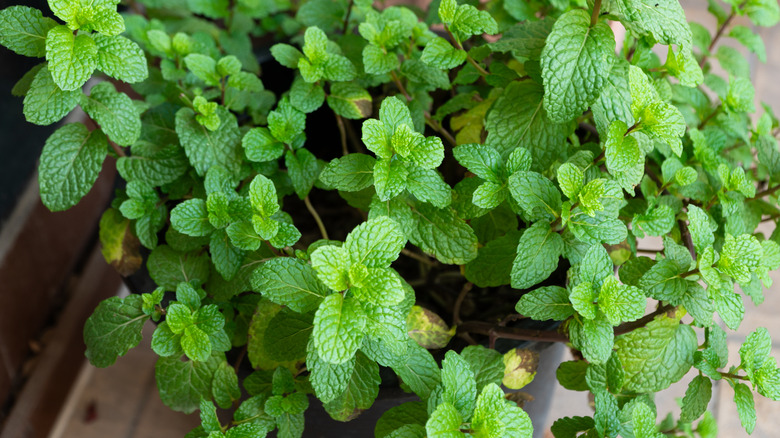
It's well-known that mints (Mentha spp.) grow aggressively. But the downside to that, apart from having to weed out unwanted seedlings, is that they grow leggy by the time July rolls in. Moreover, once this herb buds out and flowers, the leaves lose their savory flavor, as their oil content decreases owing to resource diversion. So, to keep them compact, retain their flavor, and contain their spread, cut back the herb to about 1 inch above ground level. Feel free to repeat this process a couple of times before fall if your growing season is long enough.
Basil
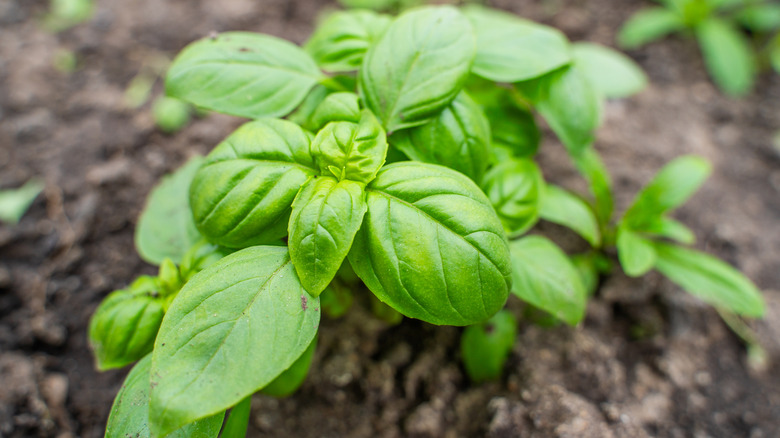
Basil (Ocimum basilicum) is one of those herbs that thrives when it's regularly harvested. This can be ah-mazing if you regularly whip up pesto sauce or a slew of Italian dishes. But it's not a good thing if you're a rare visitor to your kitchen. However, to ensure you have the most flavorful leaves whenever you cook next, you must prune it before it sets buds, or the taste will suffer. Without cutting into the woody area, remove no more than half of the stem to a set of leaves. This will stimulate new branching and foliage, keeping the herb full and bushy.
Oregano
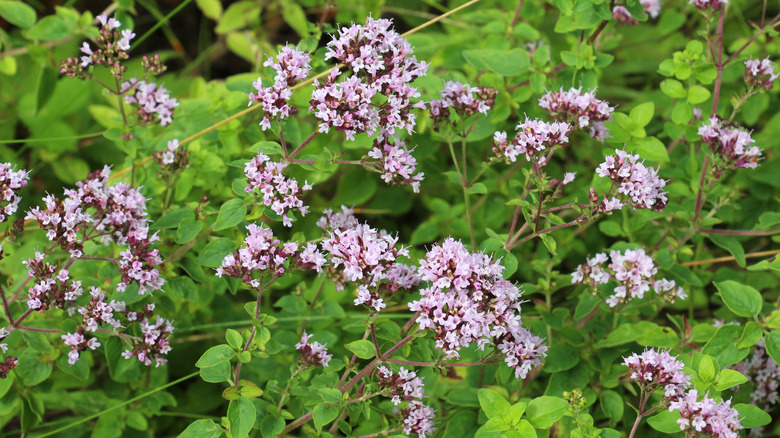
If you've ever wondered what to do with oregano flowers, you've got a few choices. You can leave them on for beneficial insects or harvest them for garnishes. However, if you want those aromatic leaves through the fall for your dishes, you may have to snip oregano (Origanum spp.), including the flowers, if they're already in bloom in July. This will also prevent the herb from growing straggly, woody, or overgrown. Making sure you don't take off more than a third of the total growth, trace the leafy nodes on the main branch, and make a clean cut right above them.
Sweet marjoram
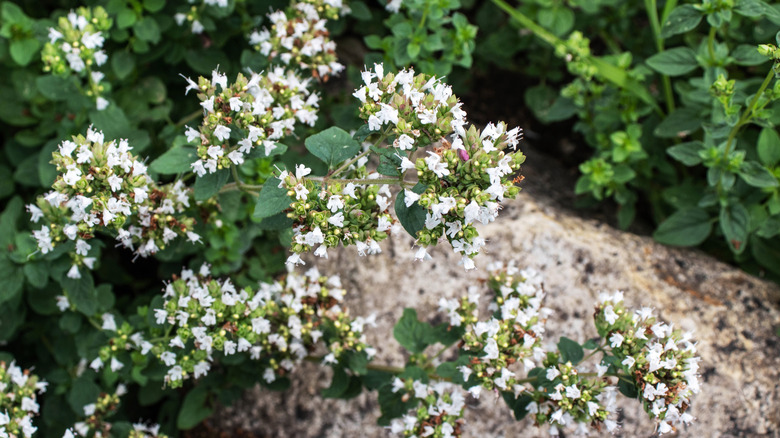
Oregano's sweeter cousin, sweet marjoram (Origanum majorana, previously Majorana hortensis), similarly benefits from a summer pruning in July. By interrupting flowering, it encourages flavorful leaves, a fuller-looking plant, and tidy, well-behaved growth (as opposed to leggy). When sweet marjoram grows about 8 inches tall and is starting to develop buds, cut the new growth at its nodes on the main stem. However, limit the cuttings to about ⅓ of the total growth to avoid unduly stressing the plant, which may delay recovery.
Summer savory
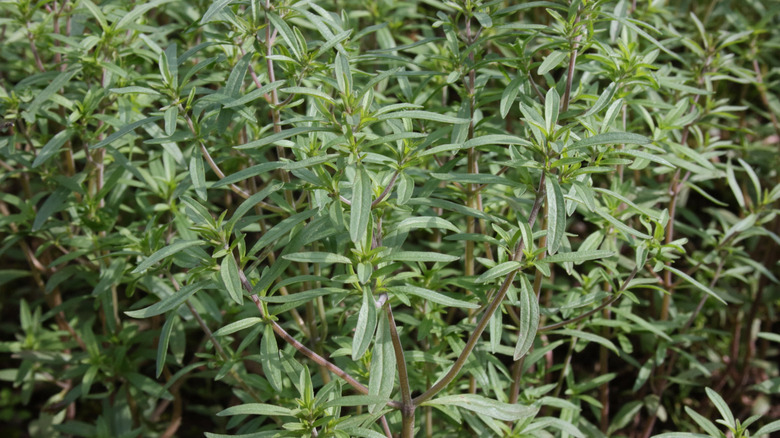
Unless you're trying to attract bees with its flowers, consider pruning summer savory (Satureja hortensis) in July when it starts showing buds along the stems. Doing so will encourage the herb to redirect its resources into creating another flush of new leaves for harvesting, while preserving its flavor. This will also improve air circulation and keep the overall size manageable. Simply cut back the plant to about 6 inches above soil level by making the cut right above a pair of leaves.
Lemon balm
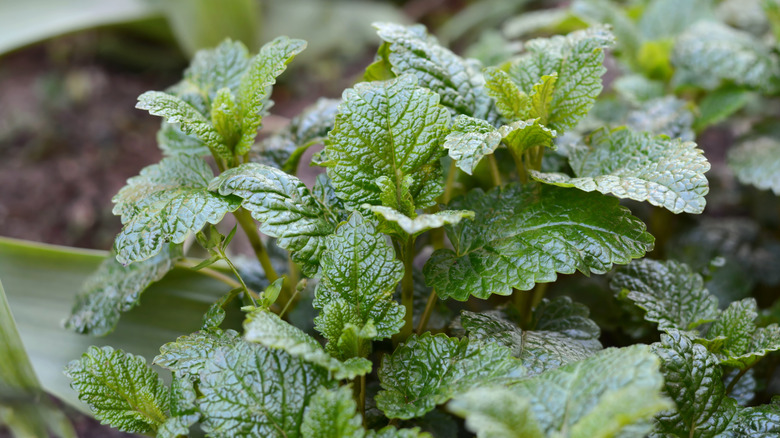
Although a part of the mint family, lemon balm (Melissa officinalis) doesn't spread from rhizomes. Instead, it relies on seeds, and spreads so voraciously that you can't entirely get rid of it after it has settled in the garden, which has earned it the invasive label in some areas. Where it isn't a problematic species, shear the top foliage by half in mid-summer. This restores plant vigor and stimulates the development of a fresh set of citrusy-smelling leaves. As unpruned lemon balm grows tatty, pruning in July helps maintain a tidy form and keeps self-seeding tendencies in check.
Rosemary
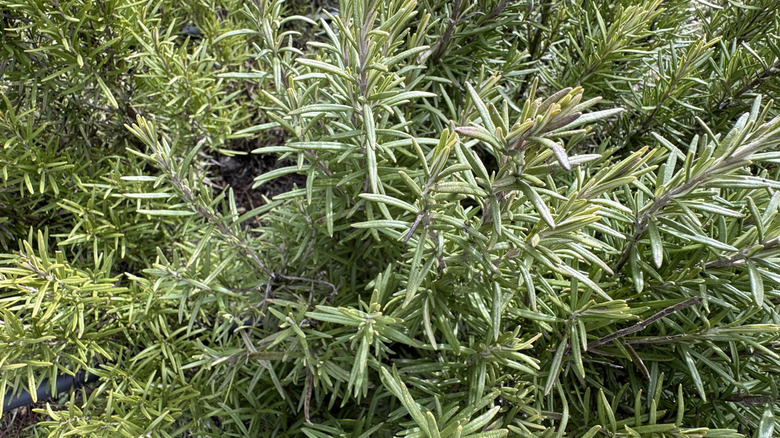
Enjoyed for its lovely lavender flowers that usually bloom in spring, which sometimes last into early summer, rosemary (Salvia Rosmarinus) is another herb that enjoys a light trim in July. That's because, by this time, you've likely seen the last of the flowers (unless you're in the south, where it flowers in the winter). Pruning rosemary around this time encourages new leafy growth, which can be harvested for teas and dishes, and stops the shrub from turning too woody. Besides, the shrub also ends up looking fuller and may, if the weather allows, rebloom.
Parsley
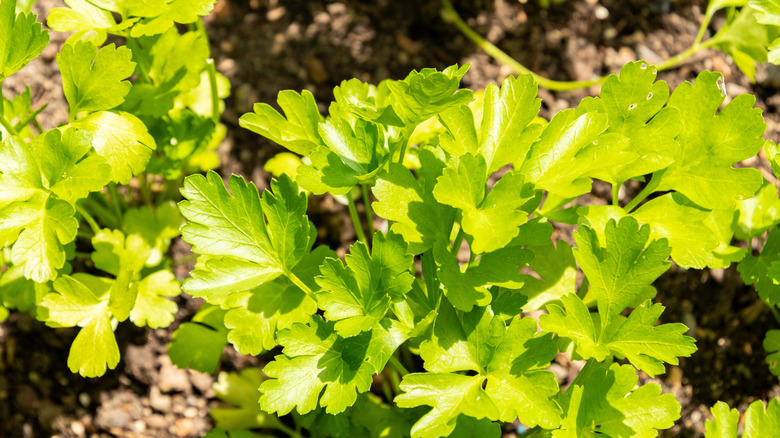
Ideally, if you regularly chop off leaves from your parsley herb (Petroselinum crispum), you'll have little need to prune it. However, if you don't use it as often, it can grow leggy over time. To make sure it continues looking fresh and neat, clip off the outermost stems to the base so that the herb generates new growth from its crown and fills out eventually. Be sure to leave ⅔ of the total growth intact so the plant can bounce back quickly. You must also pinch off any new buds, as they take away resources from leaf production.
Catmint
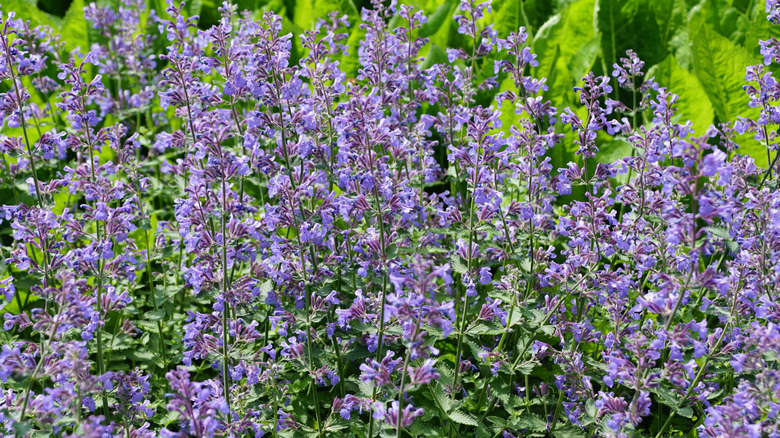
Catmint (Nepeta spp.) does more than just keep your cats obsessed with itself. It also produces edible leaves that infuse a minty flavor into beverages, stews, and soups. But because of the large size of its blooms, it can grow top-heavy in the summer and flop down or start to look sparse at the center. So, to bring it back into shape, you must cut back the catmint by half in July. As a bonus, you'll get to enjoy another wave of flowers in late summer, going into fall.