

How To Lighten Honey Oak Cabinets Without Sanding Or Stripping
We may receive a commission on purchases made from links.
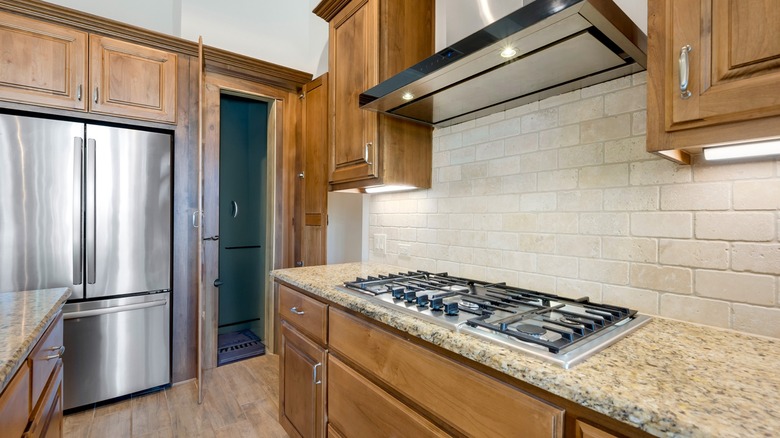
Honey oak is a color that lands cabinets squarely in the era of landlines and popcorn ceilings, and in a contemporary kitchen or living room, it's practically begging for an update. It's possible to darken the color with a stain, an easy way to refinish cabinets without stripping or sanding, but what if you want to lighten the color to complement white walls, stainless steel appliances, or updated maple flooring? The answer is still stain, and the process is known as pickling.
Yes, pickling may bring food to mind, but the process is completely different when you do it to cabinets. Instead of using a vinegar-based solution, you need a white or light-gray gel stain, and instead of marinating the cabinets in it, you spread it over the existing finish and wipe it off immediately (before it dries). The white pigmentation locks into the wood grain and highlights it, and that has the overall effect of lightening the color.
Pickling is closely related to whitewashing, which is a wood-preservation technique that dates back to early colonial America and before. Early builders spread a mixture of lime and water on unfinished wood to combat rot and deterioration, and it turned the wood white. In the modern world, whitewashing wood is a design technique that consists of diluting white paint or primer, spreading it over a finished wood surface, and wiping it off. Pickling is essentially the same process, but it uses gel stain instead of paint or primer.
A Euro-style finish to lighten up honey oak cabinets
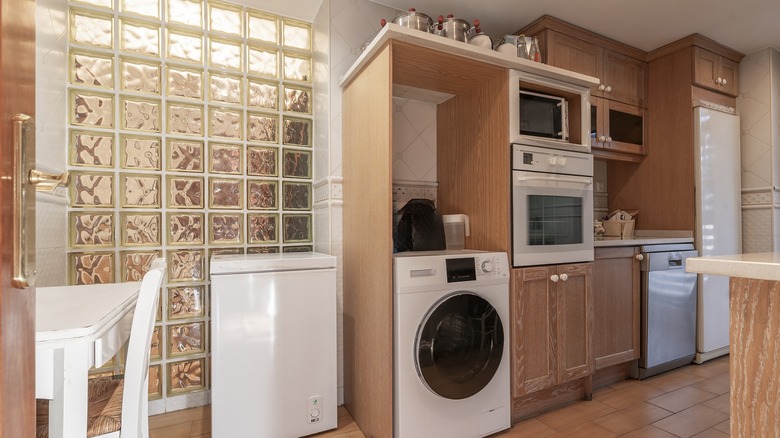
People in Scandinavia and elsewhere originally applied pickling stain to bare wood to brighten up and refresh their homes. It looks particularly attractive on open-grain wood species because it highlights the grain. Oak has a wide-open grain, so it's an ideal species to pickle, and because you can apply a pickling stain like Old Masters Pickling White Gel Stain over an existing finish, it's a sure-fire way to efficiently lighten up those old honey oak cabinets.
Stripping and sanding are not required, but you do have to clean the cabinets thoroughly before pickling them. A 50/50 solution of denatured alcohol and water applied with a fine-grit sponge works well. Avoid TSP, because it will darken any oak exposed by a worn finish. Wipe the wood dry, and then apply the stain with a rag or brush, covering every square inch of the surface. After letting it sit for a few minutes, rub against the grain with a cloth to remove most of the gel stain while forcing some of it to lodge in the grain. Finish off by applying a protective wood finish, such as polyurethane, to protect the stain.
Pickling dated honey oak cabinets is a relatively easy DIY task, but it's one that doesn't tolerate mistakes. If you use the wrong stain, wait too long before wiping, or leave streaks, the cabinets will look worse than before. Defects like streaking and blotching can only be corrected by sanding or stripping, and since you definitely want to avoid that, practice first...or hire a pro.