

Ditch Traditional Hostas: There's Another Plant That's Great For Shaded Yards

We love a good hosta, but when you need a shade-loving ground cover that grows where other plants don't dare to tread, you might want to try barrenwort (Epimedium), also known as bishop's hat, instead. Not only does it thrive in shade, but it's a hardy ground cover that comes in over 50 different species, making it easy to find a type that matches your landscape's aesthetic. Rather than sparse clumps of hostas, it can quickly cover the whole garden bed in flowers once established.
What makes it so hardy is its shallow root system, which gives it two big benefits. First, since it doesn't need to spend time digging into the ground the way a plant with a big taproot would, it instead focuses its energy on spreading its rhizomes across the ground, covering the soil so that weeds never get a foothold. But the other reason people love it so much is that its shallow root system allows it to climb over bare patches and large tree roots, making your landscape more consistent.
Since it's such a versatile family, it's also great for those who aren't sure they're ready to commit to this long-term garden relationship. Let's say, for example, you're interested in barrenwort but just aren't sure it's going to work. Luckily for you, the Asian-native varieties are mostly deciduous, so you can just dip your toe in to see how you like it. But if you're sold and ready for a barrenwort-filled yard, the Mediterranean varieties are largely evergreen, so you're set there, too.
But first, there are a few things you should know
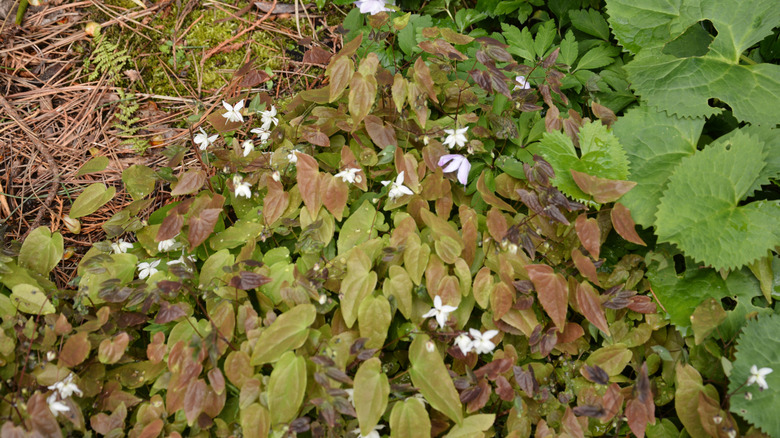
There are two major caveats we think you need to know before heading to the nursery, because they could be a major factor in your landscape's design. First, most barrenworts, including varieties native to both Europe and Asia, are hardy in USDA Zone's 5 through 8, so if you live in Zone 4 or below, it will need protection from the harsh winter weather. We recommend planting early in the spring so your barrenwort has the full growing season to settle in and establish firm roots. Once the first frost rolls in, add a layer of mulch to help shield the roots from the cold climate.
On the other hand, if you're in a hot climate above Zone 8 you'll need to use heat-tolerant varieties and ensure they're protected from the harsh summer sun. Check the plant tag before you buy to make sure it's able to thrive in your climate. Also, this is a plant that requires patience because it's a slow grower for the first few years. Some gardeners report that it's taken as much as 3 years for a small plant to finally begin to spread, so if you're anxious for some weed coverage, you'll need to take a few extra steps those first couple of summers while your plants are getting the energy they need to spread. You can use a combination of mulch and natural weed control methods, but we'd recommend steering clear of landscape fabric since it can often become a headache later on.
How to keep barrenwort happy
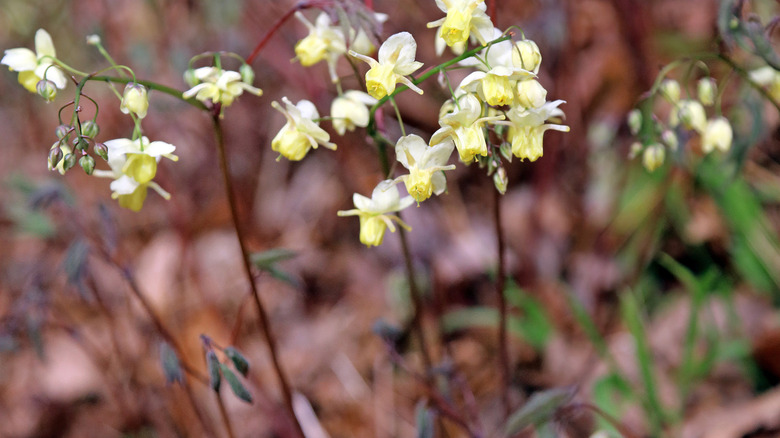
Okay, now that that's out of the way, let's talk about keeping barrenwort happy and healthy. Yes, it's more drought-tolerant and deer-resistant than hostas, but it does have some additional needs. First, it needs partial sun and moist, well-draining soil that's full of good organic matter it can feed off of. If you're worried your potential planting spot is too shady, don't worry; barrenworts do better in deep shade than they would in partial sun.
The plants can acclimate to drought, but should have adequate moisture during their first growing season so that the roots aren't stressed while they're getting established. Barrenworts show off colorful foliage throughout the year but typically only flower early in spring, so they behave nicely with bulbs or later-blooming plants. If you want to design a landscape with multiple months of blooms, you may want to consider their mature height. Depending on the variety, the flowers can shoot out anywhere from 6 to 24 inches high, though most of the foliage stays low to the ground, so consider that when planning out your shade garden.
Barrenworts have no major pest or disease problems, but keep an eye out for slugs or weevils hiding under their foliage canopy. After it's been around for 4 years or so, it's a good idea to divide the mother plant into smaller ones in the late summer so that it doesn't need to spread its resources so far.