

Think Twice Before Cleaning These Things With A Microfiber Towel
We may receive a commission on purchases made from links.
Microfiber towels are a great cleaning tool; in fact, they're one of the only cleaning supplies you really need. However, you should think twice before cleaning certain things with them, as used towels might cause damage. In this Hunker exclusive, we spoke with Alexis Rochester, investigative chemist and owner of Chemistry Cachet, to understand the science behind this warning. "It is a good idea to use caution when using microfiber on delicate surfaces like acrylic, soft plastics, waxed wood, and screens with special coating (like glasses or computers), since trapped dirt or friction can cause fine scratches or dull the finish," she says.
Microfiber towels are made of polyester or polyamide (nylon). Sometimes, they are made from a blend of both options. They work so well because each strand is so thin, often much thinner than a strand of human hair. All these fibers have microscopic gaps between them. These gaps can trap and hold grime. That's why microfiber can clean so well with little or no chemical cleaner. However, as Rochester explains, the issue comes when a used cloth (containing debris) cleans a delicate item. Now, instead of all the fibers picking up new grime, they are spreading what they already hold across the new surface. Which is why she additionally warns readers, "It's also best to avoid using the same microfiber cloth across different areas like bathrooms and kitchens to prevent cross-contamination." This way, toilet germs aren't ending up where you cook. Have one towel per space.
Use a specialized microfiber towel on electronic screens
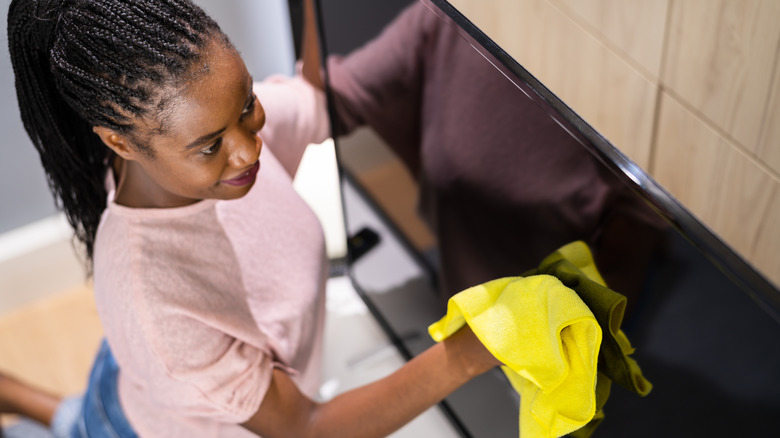
Of all the surfaces to think twice about using a microfiber towel on, Alexis Rochester sets electronic screens apart as needing a particularly delicate approach, just in case. "Microfiber can scratch electronic screens if the cloth contains trapped dust, dirt, or debris from previous use," she exclusively tells Hunker. "Residue left behind from detergents or fabric softeners can also reduce its effectiveness, so it's best to use a clean, smooth microfiber cloth specifically designed for glass or electronics when cleaning these delicate surfaces." To avoid causing damage, look for towel options with the electronics designation in the label, like the MagicFiber Extra Large Microfiber Cleaning Cloth.
Even with a designated cloth, for the best results, always follow the manufacturer's recommendations for your specific electronic product. If you're totally on the home storage and organization bandwagon and don't have any of the disclosure paperwork for your TV or computer on hand, just check for the information on the company's website to make sure you won't damage anything. Regardless, Rochester offers a little cheat sheet. "Most manufacturers recommend wiping the screen with a damp no textured microfiber cloth (using distilled water is best to dampen surface) or 70% alcohol wipes," she says.
How to care for your microfiber towels
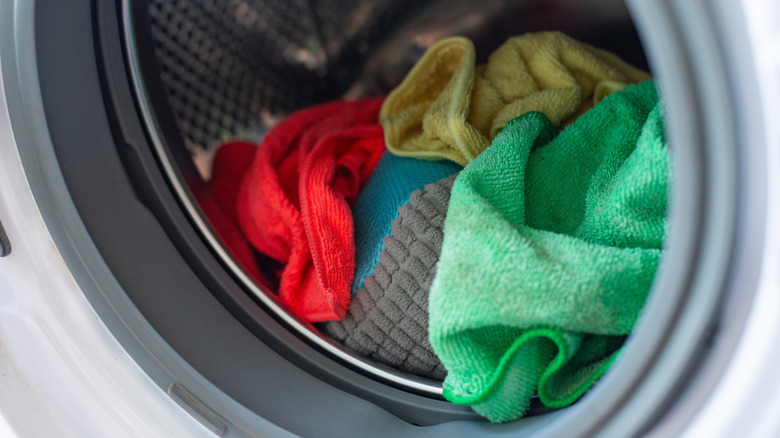
Dirty or improperly cleaned microfiber towels can cause more harm than good. So, knowing how to correctly take care of them is essential to not damaging the delicate surfaces in your home. "Do not wash your microfiber clothes with other towels or clothing," Alexis Rochester tells Hunker exclusively. Other than washing them as their own load, she also encourages readers to note that the number one thing to remember about microfiber towels is their ability to hold onto everything. "Do not use harsh detergents or fabric softeners (even dryer sheets) when you clean them because it holds onto all of the residue which can limit the life of the microfiber and also make it less effective at cleaning," she adds.
Instead, the best way to take care of your microfiber towels is one of the simplest. "Washing them in warm water with a mild soap is the best option," Rochester says. A mild detergent is one that isn't abrasive and has a formula with a low or neutral-pH. Look for words like "gentle" or "free and clear" on the label. Ivory Snow and Woolite carry these, as do brands like Seventh Generation or Tide. These options can remove debris from between the fibers, without leaving more behind that might impact their ability to clean well.