

Say Bye To Traditional Concrete & Hello To This Eco-Friendly Driveway Alternative
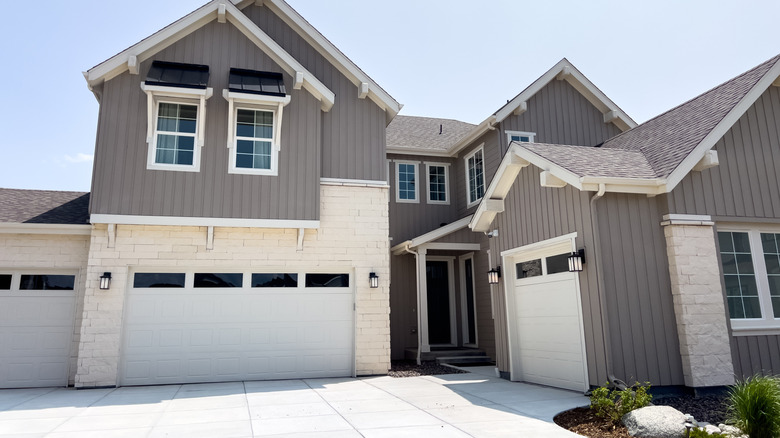
You might think concrete is the only material you can use for your driveway, but there's an alternative that is way better for the planet. It's true that concrete has been a long-time standard, but creating it is bad for the environment. The production of cement, its main binding agent, makes up about 8% of the manmade global CO2. So, using composite pavers as a driveway alternative is an easy way to make your home more sustainable. These smaller slabs can easily mimic the look of more traditional materials, but are much more eco-friendly and easier to work with, too.
Composite pavers are better for the environment for two reasons. The first is that the more popular they become, the less traditional concrete will be needed overall. This can reduce the amount of CO2 emissions released, however small. Next, these driveway alternatives are made from recycled materials. Manufacturers reuse old tires and plastic bottles to make the material, meaning that these items don't end up sitting in landfills.
Choosing and installing the best composite pavers for your driveway
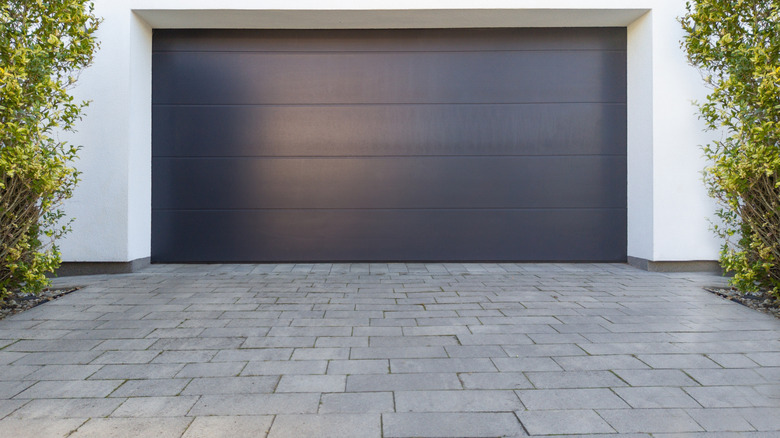
There are plenty of design directions to take with composite pavers, as there are so many options for color and size. Many vendors have picks ranging from 16" x 16" pavers to install on a large grid, all the way down to 4" x 4" blocks. You can use any size block to create intricate geometric patterns, or more classic options like herringbone, too. If you have a winding driveway, you can even learn how to make curves with pavers so they perfectly follow the existing path. Yet the best option for you depends on the type of house that you have. For example, if you live in a colonial or Cape Cod, styling the pavers in your driveway to look like dark, aged cobblestones can really enhance your curb appeal. If you have a contemporary or modern home, large utilitarian pavers will better match the aesthetics.
No matter what style you choose, installing composite pavers is an easy enough project for many homeowners to do themselves. Because composite pavers are lighter than concrete, they are easier to handle, reducing the physical labor needed for the job. More advanced DIYers can lay pavers out in a freehand pattern, but should always measure and double-check before sealing them in place. Beginners will benefit from a system that comes with an interlocking grid base to make placement easier.