

Little-Known Tricks To Make Your LED Bulbs Last Longer

Switching to LED lights is a great tip for saving energy in your home. However, while LED bulbs are supposed to have a much longer lifespan than incandescent bulbs and other older types of lights, you may notice that some of yours aren't living up to that promise. If your LED lights are going out sooner than they should, simple solutions such as keeping them clean could help them work brighter for longer. Besides cleanliness, other factors like temperature, power supply, and using the right accessories will affect how long your lights last and whether they shine as bright as they should.
It's easy to forget about cleaning your light features, but dust and dirt will still make their way onto LED bulbs. Even though LED lights are considered the type of light bulb that doesn't get hot, they still produce a very small amount of heat. If a thick layer of dust and debris lies on the bulb, it can trap the little bit of heat the LEDs are giving off. When LED lights overheat, it damages the internal components, leading to them dying faster. Dusting the light bulbs every couple months will help keep them from getting warm and lengthen their lifespan. Consider other sources of heat as well, and check that the fixtures your lights are in have good ventilation.
More tips for making LED light bulbs last
Another simple but overlooked hack to make LEDs last longer is thinking about their electrical supply. Some homes are prone to unstable electrical currents, causing power drops and surges. When your LEDs experience a surge, it puts stress on the lights and makes them wear out faster. Simply plugging the lights into a surge protector or using voltage stabilizers is an easy way to ensure they'll function properly and last as long as possible.
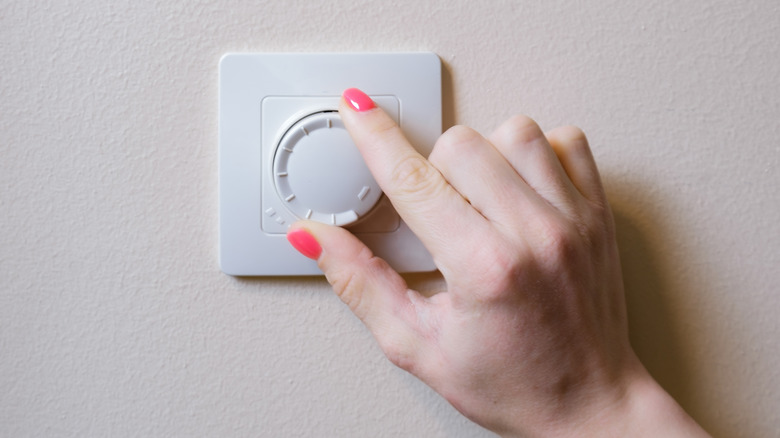
To get the most out of your lighting, you'll also need to ensure that you're using it correctly. If you've installed LED bulbs in a fixture with a dimmer switch, it's crucial to check that the dimmer is compatible with your new lights. Older dimmers aren't made for these lights, and you might find that the bulbs flicker and then wear out quickly. Swapping out your switch for one that's specifically compatible with LED lights is a great way to improve their longevity. Plus, having the lights properly dimmed could end up saving energy and helping the bulbs last even longer.
Though some believe that turning lights on and off too frequently shortens the lives of LED bulbs, this is one of the big differences between LED and fluorescent lighting. Unlike other lights, the amount you switch the lights on and off doesn't have a significant effect on LED bulbs. However, using timers or motion sensors to turn them off when they're not in use could prevent unnecessary wear.