

The Only Indoor Plant You Need To Make Your Home Smell Amazing
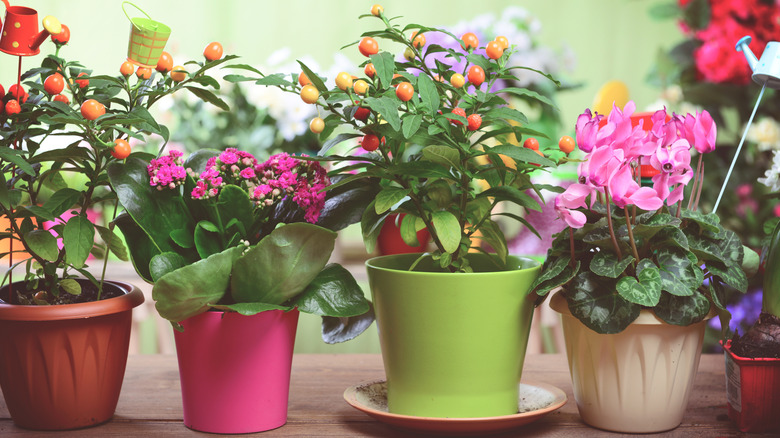
Filling your home with the lush green leaves of your favorite indoor houseplants or the vibrant blooms of fresh flowers adds plenty of visual interest. But, if you choose the right kind of indoor plants, you can also skip the lit candles, reed diffusers, and plug-in room freshers and scent your home with fresh flowers instead. The key is to choose houseplants that will make each room smell good with highly aromatic blossoms in order to maximize how well you'll be able to smell their scent in open spaces or your most-visited areas. Sweetly scented with small flowers that bloom almost year-round, tea rose begonia (Begonia 'tea rose') can bring fragrance into any room of your home when you plant it indoors.
Tea rose begonia is a fibrous hybrid variety within the Begoniaceae family, and it can go by a few different names, such as cane begonia for its upright cane growth pattern. This means the flowering plant features upright stems that look a bit like bamboo canes. Its most eye-catching feature — and the most fragrant — are its blossoms of light pink flowers that release a light, sweet scent into the air. That noticeable scent separates it from other begonias, as most of the flowering plants in this 2,000-plus plant genus aren't fragrant at all. It can be a somewhat trickier hybrid to find, but if you come across it, all you need is the right growing environment inside your home for it to thrive, emitting its scent throughout your home.
How to help tea rose begonia thrive indoors
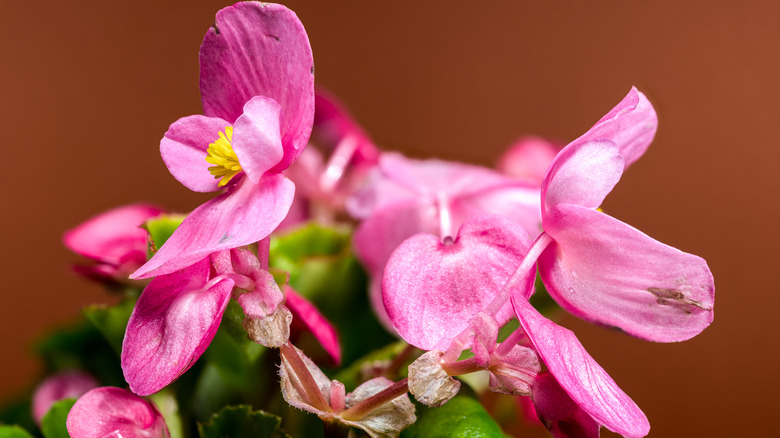
If you're interested in bringing tea rose begonias into your home, you'll want to make sure you create the right kind of growing environment for the plant. This particular begonia hybrid grows best in USDA Hardiness Zones 10 to 12, and it prefers partial sun in more shaded spots. With a little sunlight, tea rose begonia will grow relatively easily without significant intervention required, and its fragrance will flourish. In general, begonias are a humidity-loving plant; higher humidity can help the plant blossom, so you should aim for a 50% humidity level indoors.
To keep your tea rose begonia thriving, you'll want to keep some general tips in mind. Since this varietal is a cane begonia, it's likely to need a bit of pruning or pinching back as it flowers; though many begonias don't require this, these ones do if you're hoping for a lush batch of blossoms. You should plan to pinch the tops once the plant reaches about 6 inches in height (tea rose begonias tend to reach between 6 to 12 inches at their tallest height). And remember, sunlight is key to helping your tea rose begonia plants flower — without flowers, they won't give off that pleasant, sweet fragrance that makes them such a great indoor option. In general, if you're caring for begonias that aren't flowering, odds are it's a sunlight problem, so you'll need to move them to a different location. If the plant isn't flowering it might need more more less sun, depending on what it's currently receiving.