

Found Snake Eggs In Your Yard? Here's What To Do Next
Maintaining your yard requires continuous upkeep, but it can also bring about the occasional surprise. You might not anticipate snake eggs to be among them, yet this is still a real possibility homeowners can face. This is especially the case during snake nesting season, which typically occurs in the summer months in most parts of the U.S. However, if you live in a tropical region, you may see more snake activity year-round. If you come across unusual eggs in your yard while mowing, weeding, or playing with your family, it's important to contact a wildlife expert for assistance.
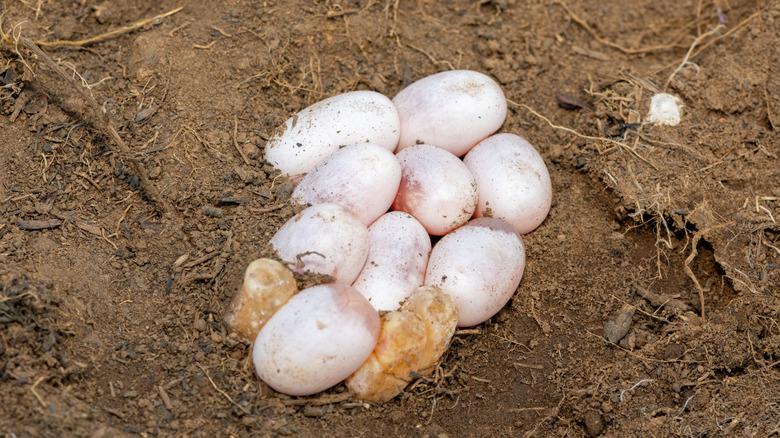
Snakes live in almost every state in the U.S., with larger populations existing in warmer southern regions. This means that almost everyone with a yard should be aware of the possibility of snake eggs. You can identify snake eggs by their unique oblong shapes, as well as their white or off-white exterior shells. Depending on the type of snake, there can be a few eggs clustered together, or sometimes dozens. Size varies by exact snake species, with each egg measuring around 1 to 5 inches in length. While you might hear about "nesting" season for these reptiles, the vast majority of snake species do not actually build nests. Instead, they'll try to lay their eggs in warm, covered hiding places like piles of branches, overgrown grasses, or inside of logs.
Leave snake egg removal to wildlife experts
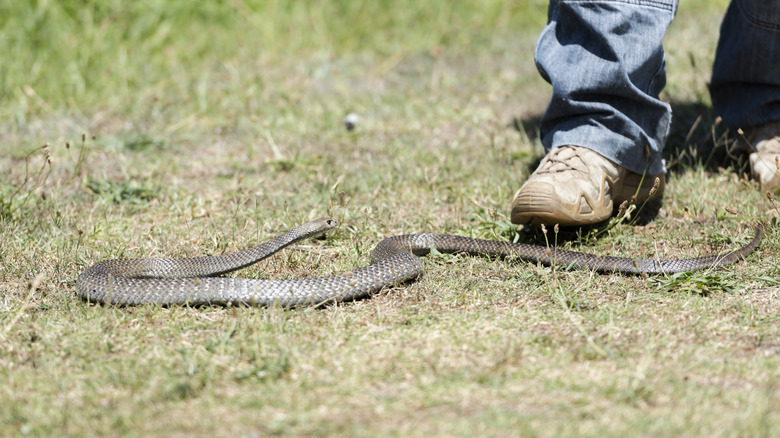
Knowing some of the key egg-laying habits of snakes is important, but it doesn't automatically solve an existing snake egg problem. If you do think you've stumbled upon snake eggs, it's important to first stop and move all kids and pets away from the area. Do not pick up or move the eggs to another location. Also, refrain from attempting to "save" or hatch them on your own. If you've accidentally moved materials like branches that were covering the eggs, be sure to put these back in place as best as you can.
It can be difficult to fully control snakes on your property, but it's understandable if you don't want them around your yard. Venomous species are particularly concerning, and you might not be able to tell if the eggs are tied to a potentially harmful snake species or not. This is why you should always contact a wildlife expert for removal. Your local animal control services will likely be able to help, or if you're willing to pay a bit more, you can also seek out private wildlife removal services. These experts can help identify the eggs, move them safely without harming the snakes, and provide some peace of mind for your family. Don't wait to take this critical step, though — most snake eggs hatch between summer and fall, after about 40 to 70 days of incubation. If the eggs are moving or have small cracks, they may be hatching, which could be important info to pass on to wildlife removal experts.
How to prevent future snake egg problems in your yard

Once you've dealt with snake eggs in your yard, you might have some extra motivation to clear out brush and piles of debris from your yard that these reptiles could target for laying their eggs. Cutting the grass short when mowing your lawn could also help make the yard a little less appealing to snakes, as well as regular shrub maintenance. You can also try removing their food sources — spilled birdseed or fallen tree fruits could attract rodents, which could then in turn attract hungry snakes. They're less likely to visit your yard if you don't have available prey or hiding spots for them.
Keeping your yard trimmed and clear of debris piles can help you get rid of snakes, but the reality is you cannot prevent these reptiles from accessing your yard entirely. Instead, it's worth staying extra vigilant during mating season, especially around outdoor nooks and crannies that snakes are likely to lay eggs in. And if you spot a cluster of eggs that you suspect may be snake eggs, it's time to call in a professional.