

These 15 Vintage Features In Old Homes Are More Valuable Than You Think
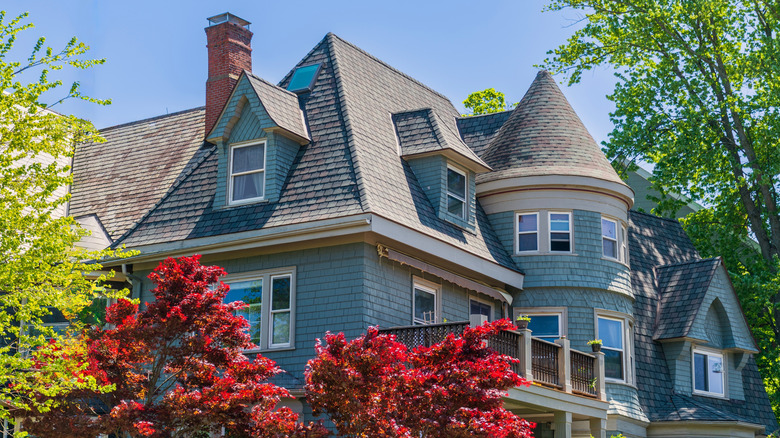
What's not to love about old homes? Whether you're a sucker for a Stick Victorian or you're more of a midcentury modern fan, older houses are often full of vintage features that outshine today's cookie-cutter spec builds. We're talking inlaid floors that are almost too beautiful to walk on, transom windows that flood interior rooms with natural light, and decorative moldings and medallions that add a certain je ne sais quoi. Historic homes tend to hold their value even during unpredictable markets because they provide a lasting sense of place and home. You might be surprised to learn just how valuable certain vintage features in an old home can be.
Whether you take the plunge on a stately home listed on the National Register of Historic Places or you risk it all on an abandoned old house that needs extensive repairs, there are two ways to consider the value of the various features you're likely to find. Permanent ones, like established landscaping or spacious butler's pantries, have value on the resale market. Meanwhile, features you can carefully remove and sell, like vintage hardware or fireplace tiles, can be highly desirable for interior designers or collectors who are willing to pay a premium for these classic details. As with any vintage find, maker's marks, rarity, and overall condition will all play a part in determining how much these features are really worth.
Stained glass
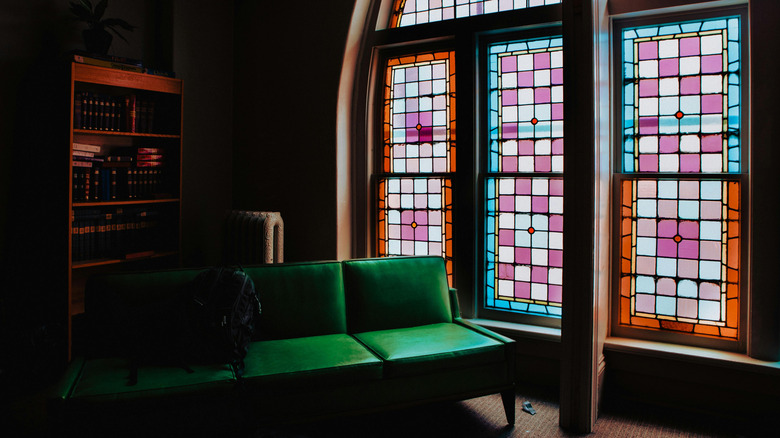
Stained glass that floods a space with prismatic color doesn't just vastly improve the look of any room in the house — it can also drastically increase its value. Often found in Victorian and Queen Anne-style historic homes, antique stained glass windows can significantly boost curb appeal and perceived value for buyers. Although we cringe at the idea of removing them entirely, they also hold strong value on the resale market, selling for hundreds or even thousands at auctions and architectural salvage shops.
Wood floors
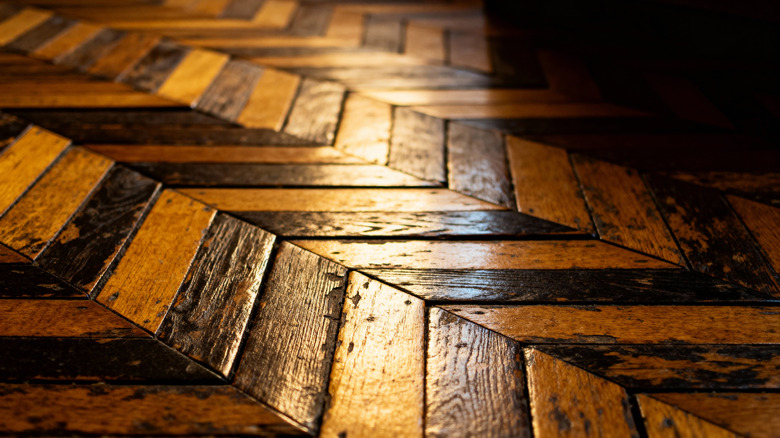
According to the National Wood Flooring Association, real estate agents say that homes with hardwood floors sell for up to 10 times more than those without them. Historic homes can command premium prices since they often feature highly desirable flooring like super-wide planks, herringbone parquet patterns, or intricate inlays that can be prohibitively expensive (or even impossible) to reproduce today. Old-growth hardwoods are especially valuable thanks to their tighter rings, rich color, and character marks. While tear-outs can be a costly affair, reclaimed hardwood floors are another vintage feature in old homes that retains value on the resale market.
Vintage sconces
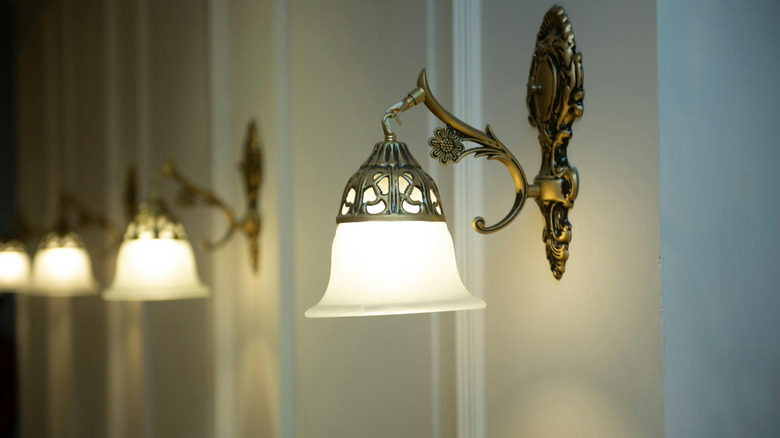
Vintage sconces found in old homes can be particularly valuable for a couple of reasons. Unlike the cheap reproductions you'll find on a flea market table, installed fixtures are more likely to be made with quality materials and a high level of craftsmanship. Glass shades left undisturbed on the walls instead of tossed into boxes won't have as many cracks or chips. Plus, they're also often found in pairs or sets, which drastically increases their desirability. Art Deco-style sconces are highly prized today, with small singles commonly selling for several hundred dollars and pairs fetching more than $5,000.
Original doorknobs
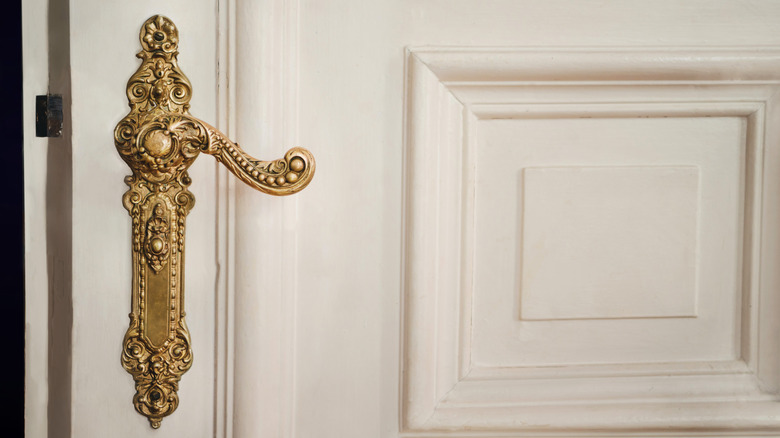
You may be more concerned with burglar-proofing your doors using high-tech keyless entry systems than preserving aesthetics, but older homes often feature unique doorknobs and hardware that can be worth a fortune. Like many vintage features, it comes down to craftsmanship. You'll find crystal knobs in Victorian homes, whereas minimalist bronze or brass knobs are popular in Colonials. Meanwhile, earthy hammered iron is common in homes built during the Arts and Crafts Movement. There's a strong collectors market out there, and groups like the Antique Doorknob Collectors of America (yes, that's a thing) can help you determine the value of your hardware finds.
Wooden beams
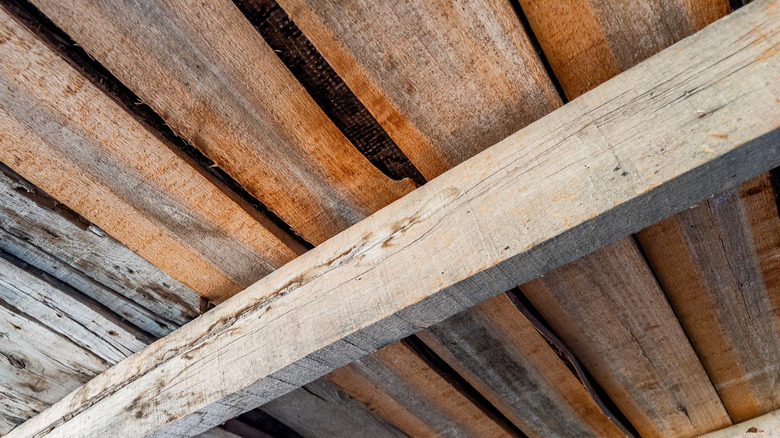
Exposed wooden beams pack a serious visual punch in some historical homes. Typically covered with drywall in modern houses, these structural elements were prized in early Colonial and Craftsman-style homes and, in other historical styles, often left uncovered to keep construction costs down. Vintage wood beams tend to hold their value because they provide a sense of character, whether they're original to a house or reclaimed for use in another. Depending on their age and condition, according to the experts at E.T. Moore, reclaimed wood beams can be worth between $12 and $50 per linear foot when standard-sized, and up to $50 per foot for larger beams from rarer species.
Transom windows
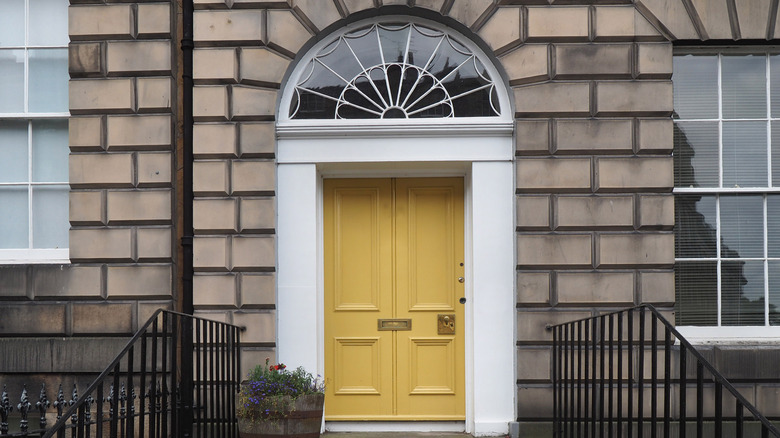
Transom windows are another common feature of historic homes. These windows, situated directly above an interior or exterior doorway, can dramatically increase the natural light in a house. Older Victorian, Edwardian, or Gothic homes may have fanned or arched versions that add beauty, and some are even operable, which can improve air flow and circulation. Homes with more natural light generally have higher resale values than those that feel dark and closed off. Transoms are another feature that holds value on the antique market. Although basic versions may only fetch $50 to $75, others with leaded or etched glass can sell for over $1,000.
Ornate fireplaces
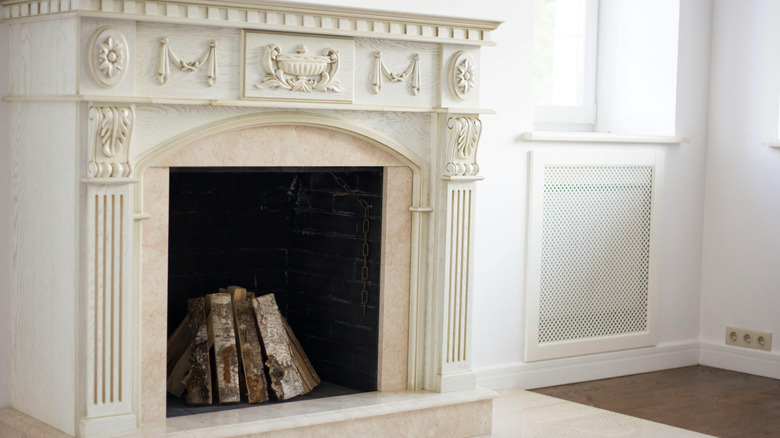
Older homes, especially ones built before the advent of central heating, often feature several fireplaces. While these can range from basic wood-burning hearths to intricately tiled versions topped with ornate mantles, the vintage features can significantly increase a home's value. According to Redfin, fireplaces increase sale prices by 13%. While they may not be as convenient (or even operable) as newer gas models, what vintage fireplaces lack in utility they often make up for in glamour. When they're still in good condition, historic fireplace tiles and vintage mantles can be worth several thousand dollars.
Cedar closets
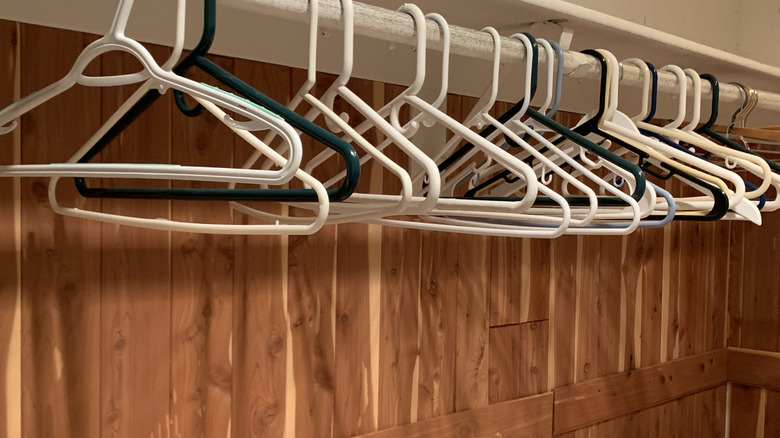
You'll recognize a cedar closet not just by its reddish planks but by the aromatic scent that can last for several decades. Unlike wardrobes filled with today's fast fashion, moth-attracting fabrics like wool and cotton were popular historically, making cedar a practical choice in older homes since it naturally repels pests. Although you may need to refresh a cedar closet occasionally, the vintage feature may appeal to buyers who prefer homes built with sustainable materials. According to Zillow, homes with nature-inspired features can sell for 3.5% more than those without.
Butler's pantry
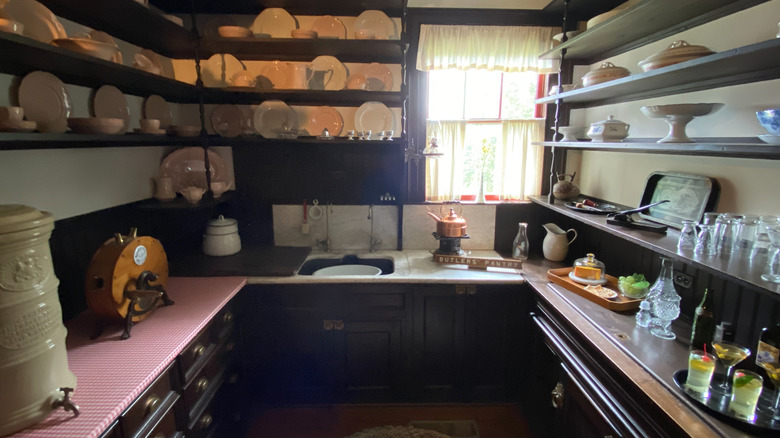
The butler's pantry is making a serious comeback, but in larger historic homes, especially Victorian- and Colonial-style ones, they never really left. These tucked-away spaces serve as an extension of the kitchen where messy food prep, serving ware storage, and larder extras can be nearby but still out of sight. "Butler's pantries are gold in real estate listings — especially for homes [listed] over $300,000, where clients expect luxury features that make life easier. Homes that feature them sell 15-20% faster than those without them," Brandon Hardiman, owner of Yellowhammer Home Buyers, told Apartment Therapy in 2025.
Ceiling medalions
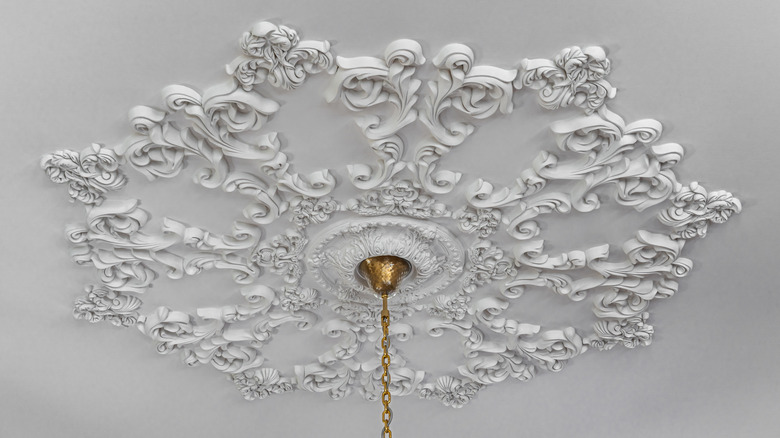
Few vintage features announce luxury quite like the plaster ceiling medallion. Popularized in the 19th century when sooty ceiling stains from oil lamps were common, these highly decorative elements were originally intended as an elegant coverup. Today, you can purchase reproductions at your local big-box store for under $100, but they often lack the subtle intricacy that master plasterers were able to achieve. Plaster's delicate nature makes medallions difficult to remove without damaging, so the inherent value is in their historic significance, especially when properly maintained or restored.
Original doors
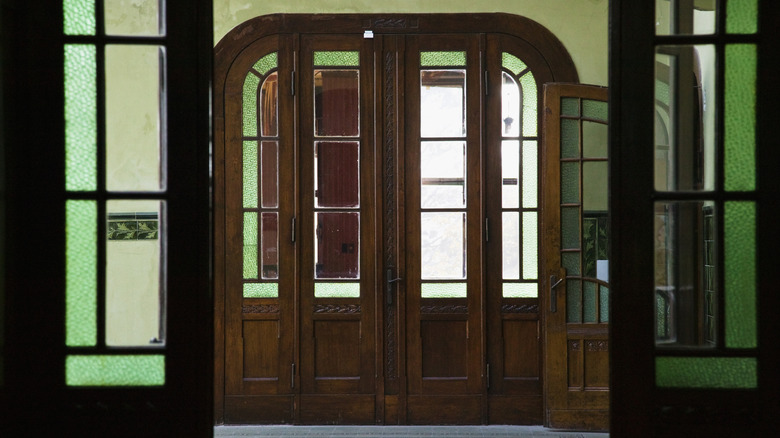
There's so much to love about vintage pocket doors. Their level of craftsmanship, unusual detailing, and glass panes offer visual appeal, while the low-profile design allows you to easily close rooms off for privacy or open them up without losing a ton of floor space to bulky doors. They're also surprisingly valuable if you decide to sell them. Even small single pocket doors with hardware intact can sell for over $500, and matching pairs made from oak or pine with panels can sell for five to 10 times that amount.
Claw foot tubs
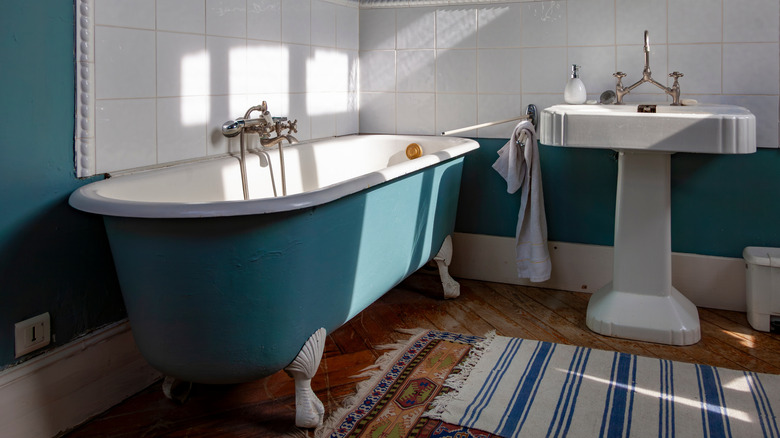
No matter what era you're living in, sinking into a bath is one of life's little pleasures. While they can be space hogs and are tricky to clean, claw foot tubs are the ultimate luxury. You may see rusty old ones on Facebook Marketplace selling for just a few hundred dollars (or sometimes less, if you have to move them); however, certain materials can make claw foot tubs found in old homes worth much more. Antique, cast iron versions and rarer copper tubs that have developed a natural patina are highly prized and can sell for $5,000 or more.
Servant's bells
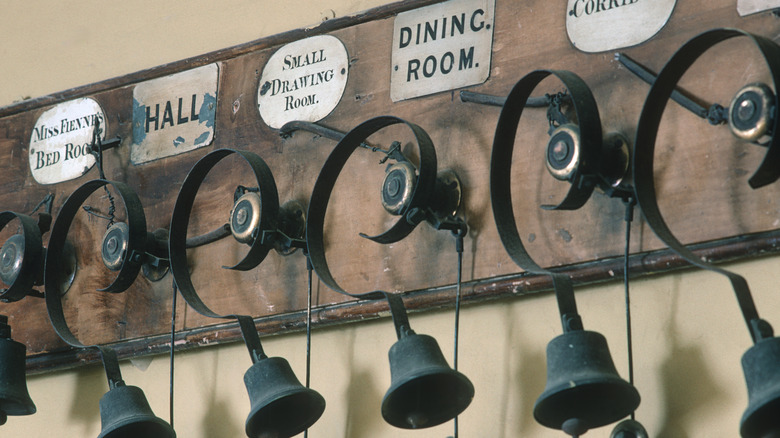
Speaking of cleaning vintage clawfoot tubs, as any "Downton Abbey" fan knows, servant's bells were a common feature in certain historic homes. An analog precursor to intercoms, the mechanical systems typically connected one or more mounted bells to a pulley through a series of wires run through the walls. Not many of us are ringing for a butler these days, but servant's bells can still add charm to an old house. However, it's through antique shops and Etsy where collections of these vintage features show their value, often ringing up for hundreds of dollars.
Crown molding
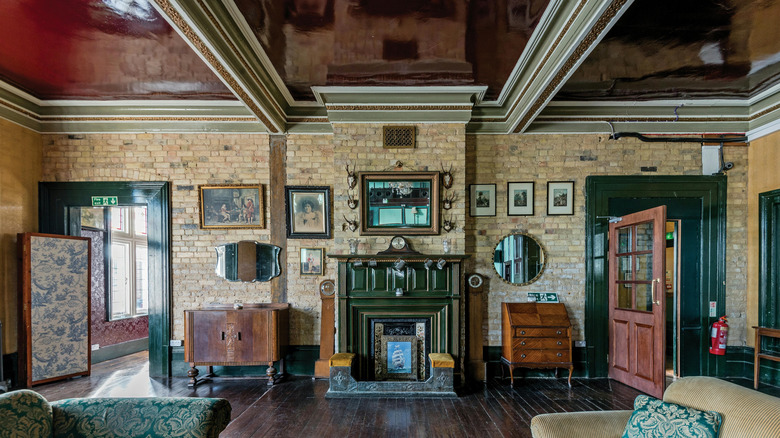
Along with creating visual interest, decorative crown molding covers up gaps and cracks that are all too common in older homes. A feature that has stood the test of time, crown molding is one way to easily date a historic home since different styles were popular during different eras. Although it may not increase the value of a house on its own, crown molding is one of those finishing touches that drastically elevates buyer perception of a home's craftsmanship, attention to detail, and overall beauty. All of these factors make higher offer prices more likely.
Custom built-ins
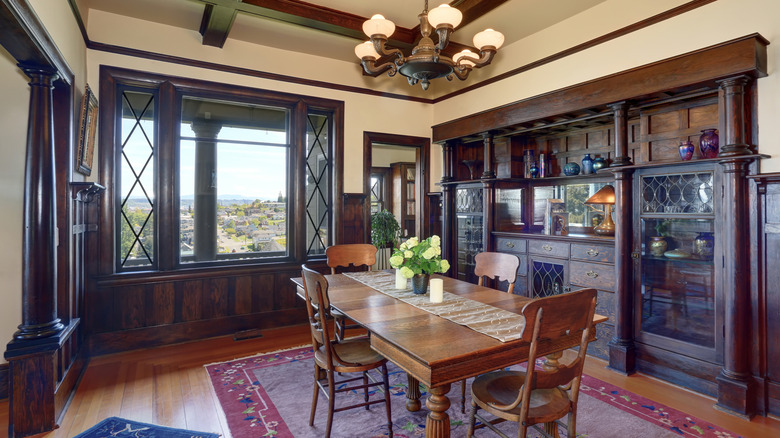
Many historic homes have custom built-ins, and realtors agree that these are another vintage feature that can improve the overall perception of your home's value. Like exposed brick or crown molding, built-ins add tons of character that can be hard to achieve with today's modular pieces. "I always advise clients to think of built-ins as part of your home's overall impression and an additional selling point," realtor Eric Bramlett explained to Realtor.com in 2025. This feature can put thousands of extra dollars in your pocket, especially when the built-ins provide extra storage.