

14 Sneaky Things That Are Attracting Roaches To Your Home
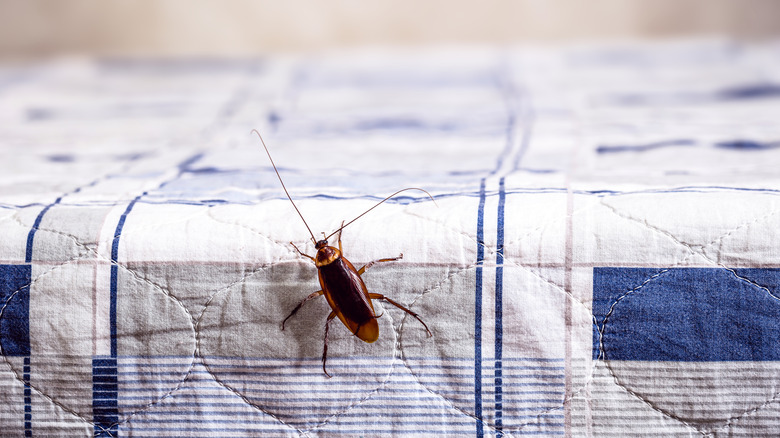
Every household should take action to prevent pests from entering and infesting their home, and roaches are no exception. Cockroaches, in particular, can be more than a nuisance: These creepy insects are among the grossest bugs in your house, as they can carry diseases and allergens that pose some real risks to human health. Keeping your home clean is considered one of the best ways to prevent roach infestations, but you may also need to look a bit deeper at some of the sneaky items that could be drawing them to your home in the first place.
While it might feel like roaches have survived over the course of millennia just to haunt humans, the fact is that these insects are like any other living beings: They seek out food, water, and shelter. Unfortunately, some of these basic needs are plentiful in human homes. Look carefully around your house to see if you can make simple modifications — like sweeping up crumbs daily and replacing damp towels — to reduce the chances of drawing these insects into your space. If you suspect a possible roach infestation, you'll likely need to call a pest-control expert. In the meantime, here's our guide for how to get rid of cockroaches.
Small crumbs
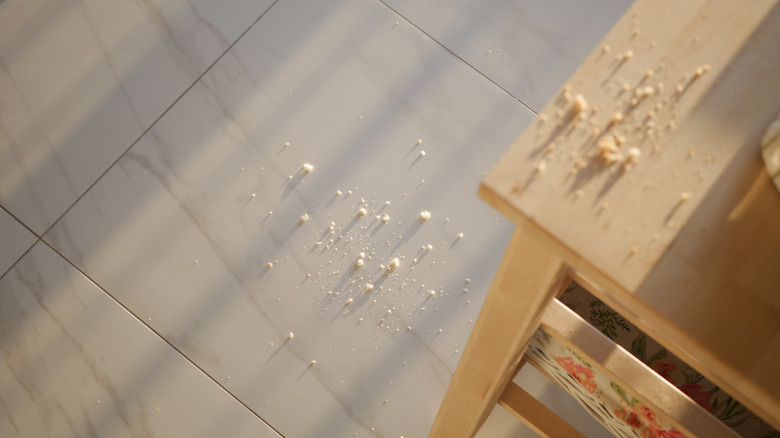
You probably already clean up obvious messes around your kitchen and dining areas since spilled food is a surefire pest attractor. But don't neglect the tiniest of crumbs lingering around floors, tables, and kitchen counters, as these may be large enough to attract roaches to your home. Clean these up as soon as you see them, and be sure to check for food crumbs at the end of each day.
Food spills behind appliances
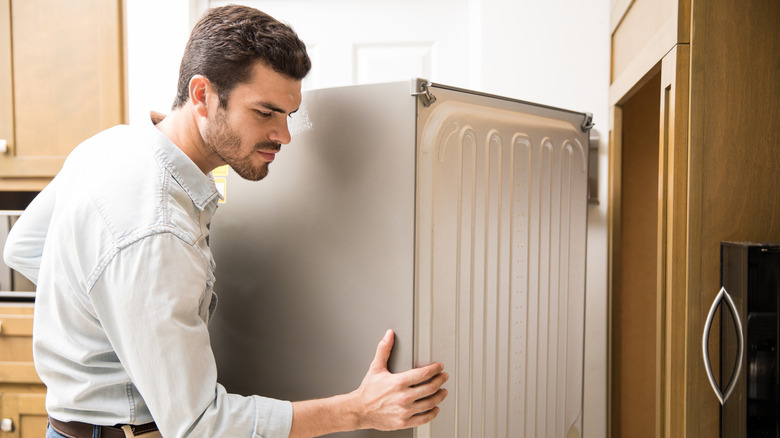
Unfortunately, crumbs and food spills aren't always in plain sight. It's easy to drop food on the floor where it can roll away into a hidden area, like behind your fridge or oven. Clean behind these items regularly with a vacuum cleaner to prevent roaches from hiding out and looking for their next meals. At minimum, you should clean behind your appliances twice a year, but you might consider doing this more often if you notice excessive food spills in the kitchen.
Pantry goods
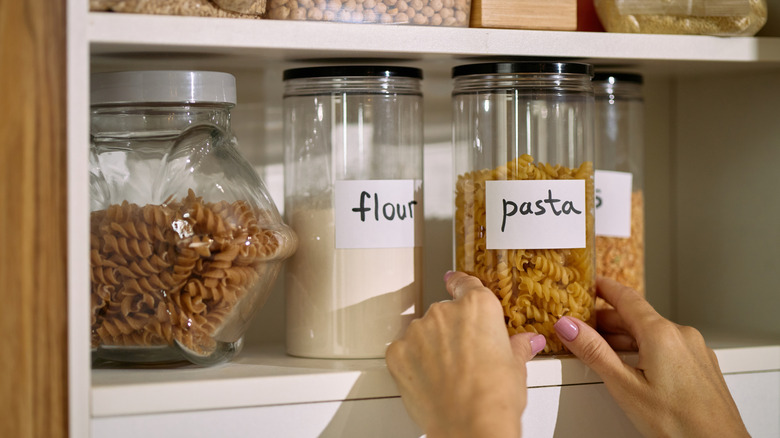
While food inside the fridge is likely safe from roaches, these insects are notorious for feasting on accessible items inside your pantry. The best thing you can do to limit this access is to store all dry goods in sealed containers. Whether you choose glass, plastic, or metal, just be sure these all have tight lids to keep all bugs out. You can use these to store cereals, pretzels, pastas, and rice, as well as cooking ingredients like sugar, cornstarch, and flour.
Spills in your cabinets or pantry
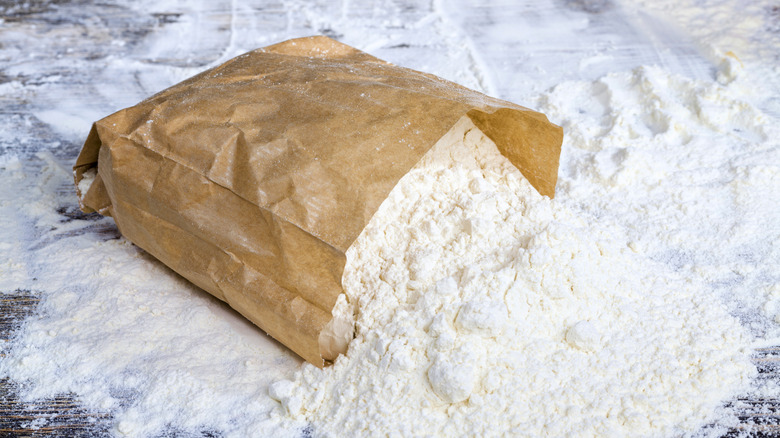
Even if you think you've stored all your foods correctly to prevent roach access, they may still search for sustenance around your pantry and cabinets. In these situations, there could be an unknown spill luring roaches to these spots. Clean your cabinets and pantry at least once every season to help detect spills sooner rather than later.
Garbage cans
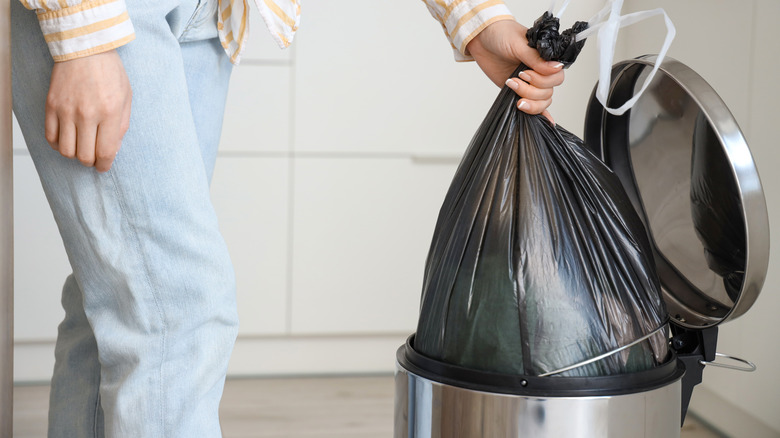
While crumbs and open containers of unused foods may create a feast for roaches, these insects are also known to lurk around scraps in household garbage. Take out the garbage whenever the containers or bags are full. Ideally, kitchen trash should be emptied at the end of each day to remove old food items. To further deter pests like roaches, swap out open trash cans for those with tight lids.
Recyclable items
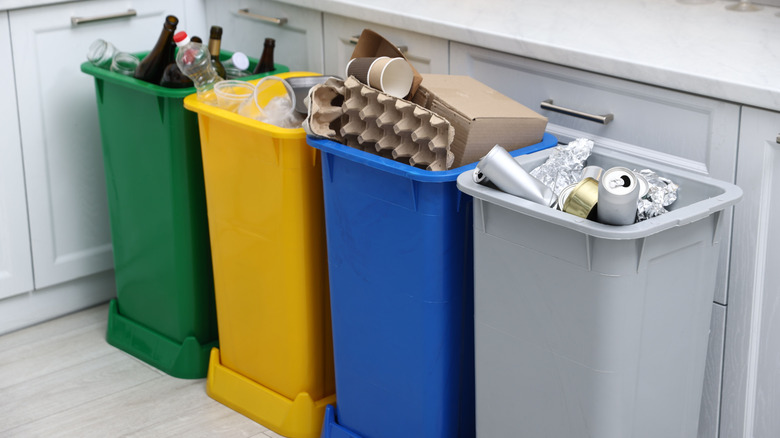
Garbage is a common target for pests, but dirty plastic and glass containers can be just as tempting for roaches. This is all thanks to food residues and liquids that might be left behind after use. Even if you have a separate container in your kitchen for recyclables, it's important that you rinse out all the items thoroughly before tossing them to minimize possible roach feeding grounds. Since the water used for cleaning these containers may also attract the pests, however, you might consider emptying your in-house recycling bin into your outdoor receptacle on a daily basis.
Leaky pipes
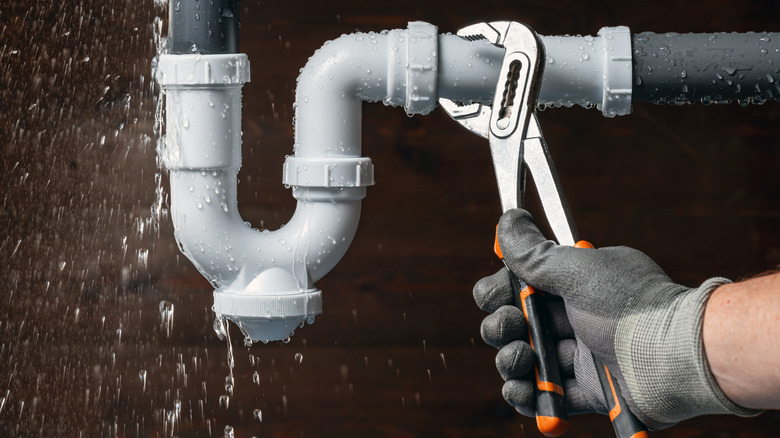
While roaches are attracted to a variety of food sources, you shouldn't provide them with any potential water sources, either. Leaky pipes are one such opportunity these insects take advantage of, which is why you might see them hanging out inside under-sink cabinets. Be sure to fix any leaky pipes promptly, and reach out to a plumber if the problem persists.
Dirty dishes
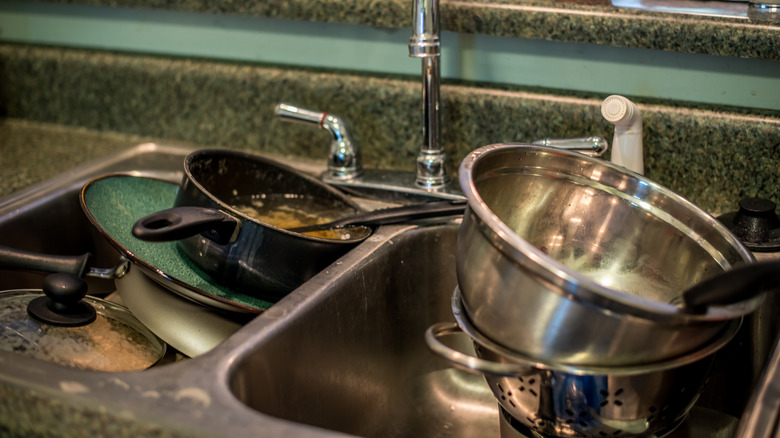
It's tempting to leave dirty dishes in the sink, or to let that sticky pot "soak overnight" in water. Unfortunately, when it comes to roach deterrence, these insects consider dirty dishes to be sneaky sources of food. To limit any temptations for roaches to hang around your kitchen sink, make an effort to tackle all those dirty dishes each day.
Cardboard boxes
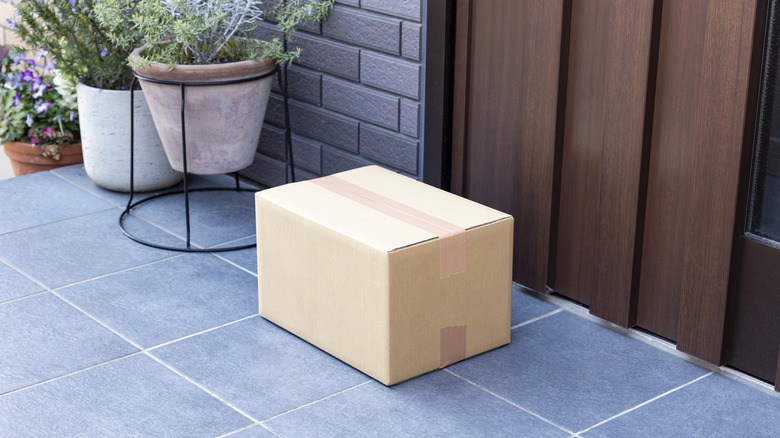
Whether you have them around your home for storage, moving, or shipping and receiving, cardboard boxes are prime hiding spots for cockroaches. Ideally, you shouldn't store boxes in your home. It's also best to open up packages and moving boxes in a garage or outdoors before bringing items inside. If you must bring a cardboard box into your home, be sure to open it up immediately and to eliminate any signs of roaches you might find. Don't let a box sit in your home, as this may allow hidden bugs to escape into cracks and crevices.
Piles of clutter
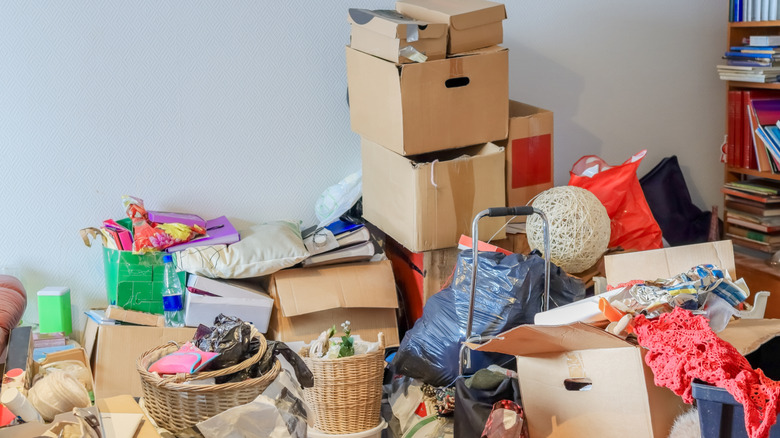
Cardboard boxes full of items are, unfortunately, not the only sources of clutter roaches might use as a hideout. Other possibilities include piles of textiles, paper bags, and even old newspapers. Take a careful look around your entire home — if you see any areas of clutter accumulating, consider tackling these right away. You don't want something as seemingly benign as a pile of papers to become a cockroach hideout.
Pet food
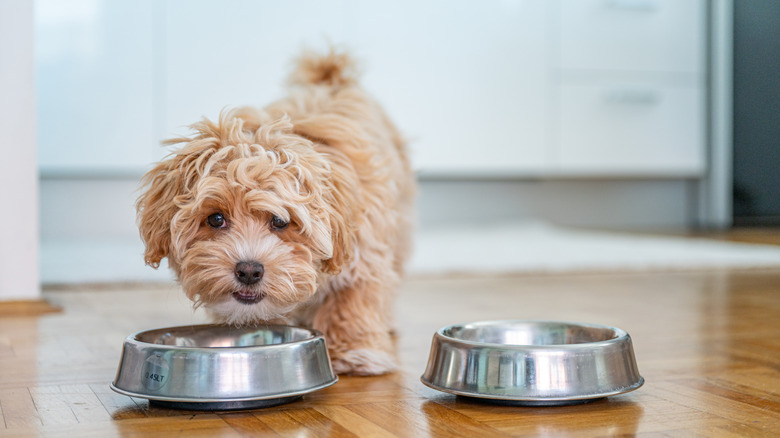
If you make a habit of leaving dry kibble, dirty pet bowls, or even water out overnight, know that any of these items can potentially attract roaches to your home. Ideally, it's best to wash all pet bowls at the end of the day and to only serve food at designated times (including dry food). This can be tricky if you have a dog or cat who's used to eating at any time of the day or night, but we think the adjustment is well worth it to prevent roaches and other pests from stealing your pet's food.
Humid basements
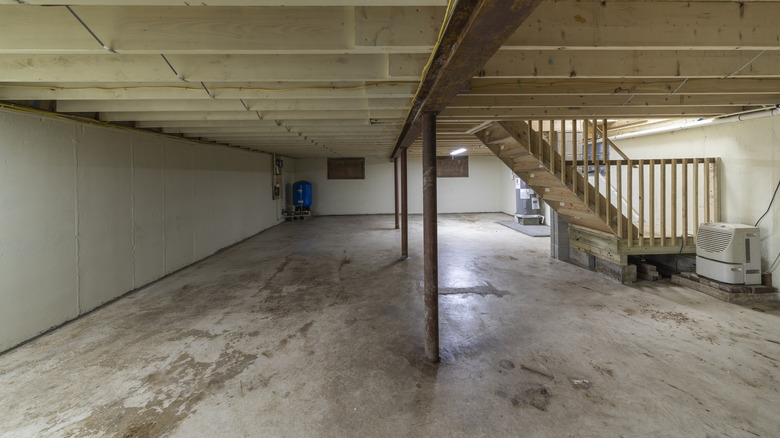
Roaches typically prefer the dark areas of your home, such as underneath sinks, inside attics, and in garages. You can count basements among these roach-friendly areas, too, especially if yours is on the humid side. Whether you have a finished basement or one that doesn't experience much foot traffic on a regular basis, you might consider using a dehumidifier to prevent cockroach activity in the area by removing excess moisture. As a bonus, a dehumidifier can prevent possible structural damage caused by persistent moisture.
Wet towels
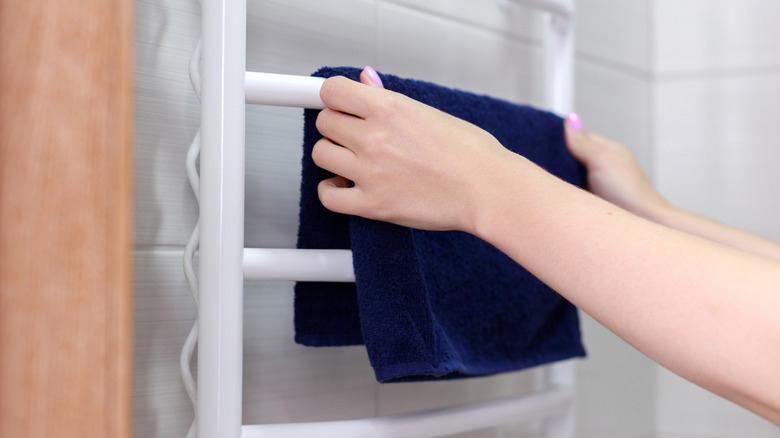
You might think about mildew and mold as common issues for towels that aren't hung up to dry properly in between uses. Another disturbing possibility, however, is bugs like roaches seeking out damp towels for their moisture. Keep your towels drier (and, therefore, less attractive to pests) by hanging them on bars instead of scrunched up on hooks. Cleveland Clinic also recommends swapping out bath and hand towels at least once per week. For dish towels in the kitchen, consider using a clean one every single day.
Indoor plants
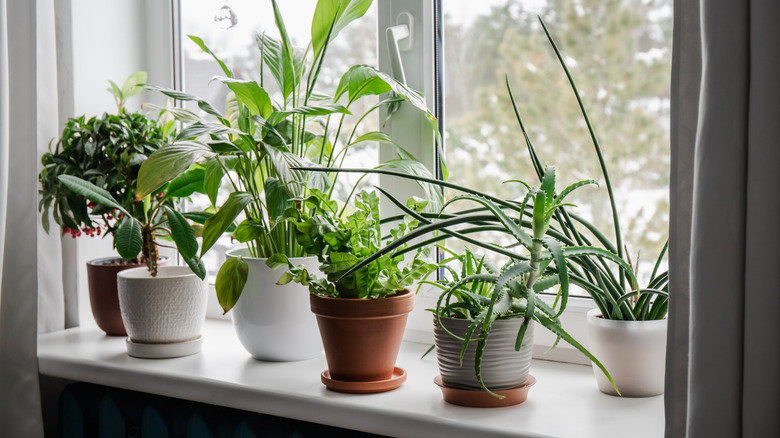
When you're considering indoor plants to buy, roaches probably aren't top of mind. According to Colorado State University, aphids, fungus gnats, thrips, and whiteflies are among the most common pests found in houseplants. However, it is possible for roaches to seek out indoor plants so they can drink water from the saucers or oversaturated soil. As with any pest-management strategies for indoor plant care, be sure you inspect your plants regularly, avoid overwatering, and empty saucers when they're full.