

Should You Close Vents In Unused Rooms To Stay Warmer This Winter?
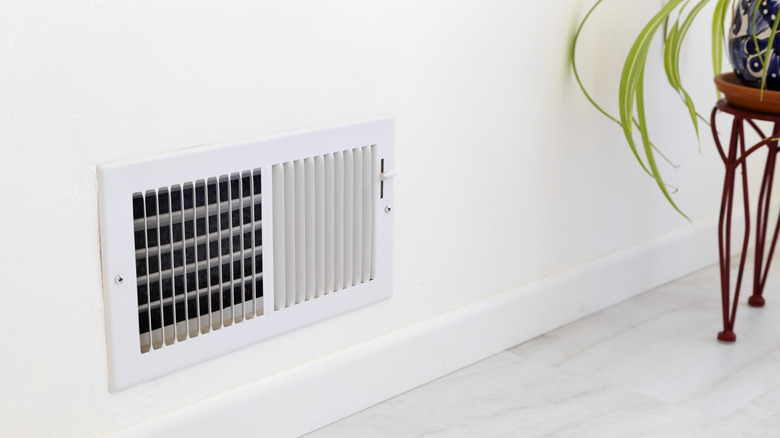
When winter temperatures plunge outdoors, you might shudder at the thought of how cold it could get inside your home. To make your space warmer without cranking up the heat even further, you may have considered closing vents in less-used areas in your home, such as unoccupied bedrooms. The idea here is to reduce the amount of heat flowing to unused parts of your residence so that other areas like the living room and main bedroom are kept warmer. While the act of closing vents diverts airflow, it's not a good idea in practice. Unfortunately, closing any vents in your home in an attempt to stay warmer could damage the HVAC system and cause other long-term issues. Before you close any vents, consider other ways you might improve your home's heating instead.
The efficiency of an HVAC system relies on more than the heating and cooling systems. When you have the system running, it pushes air through ducts installed throughout your home, where it's then delivered via air vents. In theory, airflow to a particular room could be stopped in the short term by simply closing the air vent. However, this is not the most efficient way to heat your home, as it increases the pressure inside the ductwork and reduces airflow overall.
What happens when you close air vents in your home?
Whether you close any air vents or leave them all open, the HVAC system still pushes out the same amount of heated or cooled air. However, closing a few (or several) vents ends up creating more static pressure since the air can't escape where it was designed to. This pressure can push at the duct seams and cause duct system leaks that might require duct sealing. At worst, the HVAC system may not last as long as it should since the furnace is working harder to push warm air through your home, wearing down its components.
Needless to say, closing vents in an attempt to make your home warmer this winter could ultimately lead to some expensive repairs in the future. But aside from costs, there's even a possible risk of carbon monoxide leakage. The extra prolonged pressure can eventually cause the heat exchanger to crack, which holds the carbon monoxide produced during combustion and directs it outside. A crack can cause the gas to leak out into your home. There is also an increased risk of mold caused by increased humidity or poor heating. What's more, the process can ultimately increase your heating bill because of decreased airflow efficiency.
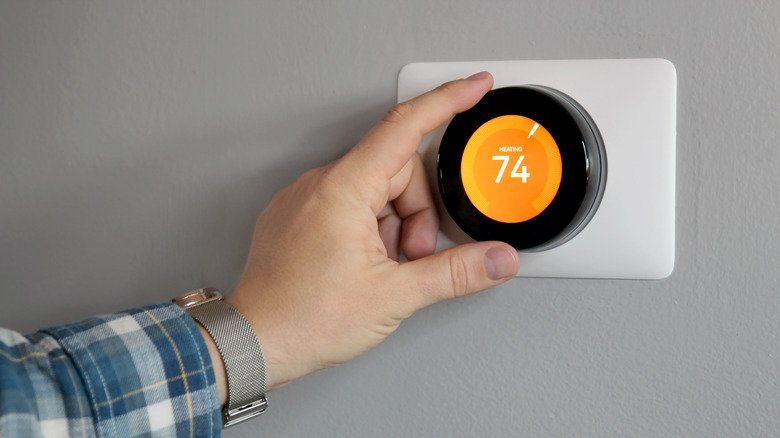
Given these significant downsides, you're better off leaving all the air vents in your home open during the winter. There are other steps you can take to make your home warmer, though. Instead of closing off vents, you might consider installing programmable thermostats, as well as customizable zone settings. This works especially well in multi-story homes. Finally, don't forget to schedule service for your HVAC system every spring and fall to maintain efficiency and catch potential issues.