

12 Perennials To Avoid Planting In Your Garden, Despite Their Beauty
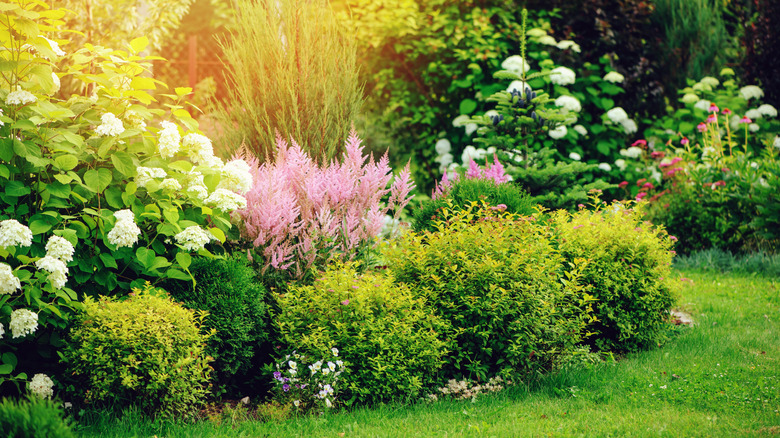
Everybody wants a garden full of color, greenery, and life. A place of solitude and joy, where you may have created a butterfly or bird-friendly garden full of flowers that your pollinators return to every spring, or a show-stopping collection of roses that come back into bloom year after year. Planting perennials is satisfying, and your local garden store has a huge variety of flowering bushes and groundcovers to brighten any outdoor space. But beware. Some of the most gorgeous plants on the planet have dirty little secrets, even if they are easy to buy.
The USDA National Invasive Species Information Center lists dozens of perennial plants that are considered invasive, meaning if you put them in your garden, they are going to take over every corner, crowding out your other treasured plants. Non-native, invasive plants also reduce overall biodiversity in your garden, and can spread into surrounding natural habitat to the detriment of native plants and wildlife.
In addition to invasive plants, there are perennial plants you want to avoid adding to your collection because they are bad for your health. Just like some beauty pageant contestants, these plants may look gorgeous on the outside, but are toxic. Here are 12 good-looking perennials you will want to keep far away from your yard, despite how enticing they may look.
Canada thistle
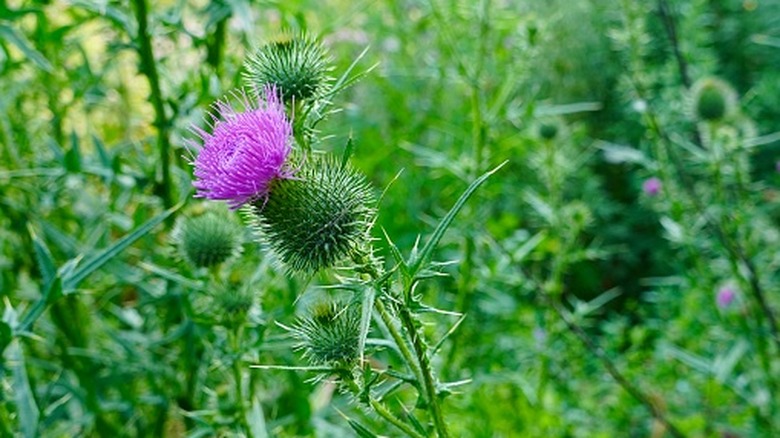
Canada thistle (Cirsium arvense) is a tall, spiky plant sporting puff-ball flowers in lovely shades of pink and purple. This native of Europe made its way across the pond centuries ago and is now found across the U.S., where it has become decidedly unwelcome. Canada thistle spreads easily, crowding out native plants and wreaking havoc on agriculture and protected natural areas. Bees love it, but there are much better options to help pollinators do their job, like the lovely native purple coneflower (Echinacea purpurea), which will give you that desirable height and color, without the invasive aggression.
Kudzu
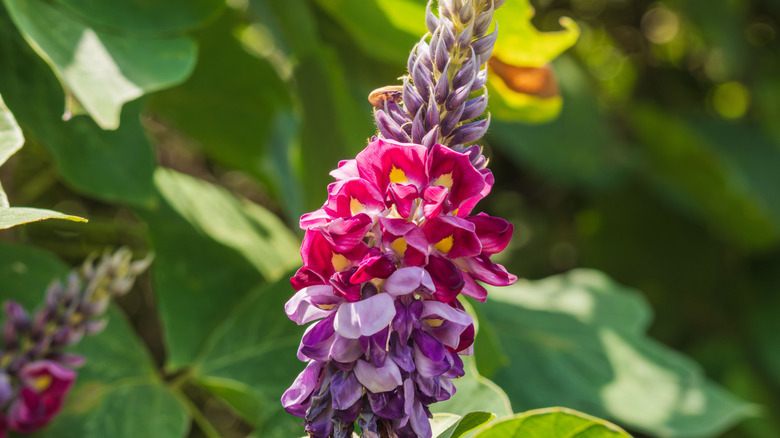
You may have heard of kudzu (Pueraria montana var. lobata), a perennial with striking red or purple blossoms and roots known for their ancient healing properties. But this plant is definitely not healthy for the garden. Its dense vines quickly take over structures, fences, and trees, turning a yard into a dystopic landscape. Kudzu spreads and smothers native plants to a degree where nothing else will grow. And it is nearly impossible to kill. Despite all this, you can still buy kudzu seeds online, even while many states prohibit planting it and may even require you to remove it.
Wisteria
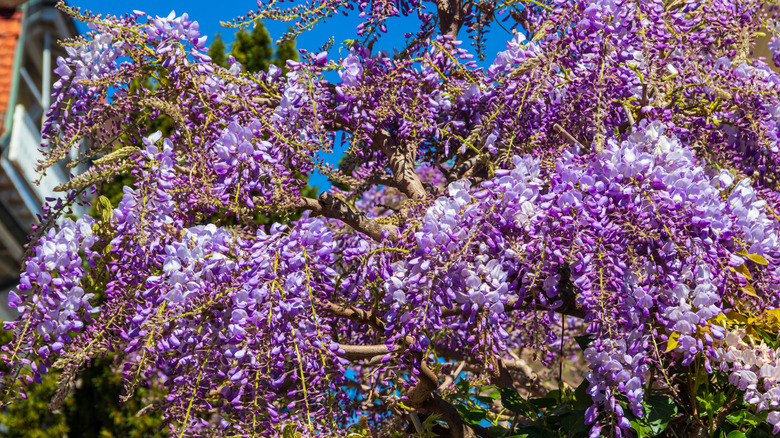
Wisteria is another vined perennial that loves to climb, spilling with clusters of fragrant pink or purple flowers that add drama to any garden trellis. But Chinese wisteria (Wisteria sinensis) is a notorious invasive species considered a noxious weed in the Midwest, where it can quickly get out of control and invade natural areas. Japanese wisteria (Wisteria floribunda) is considered invasive in the east and southeast, choking out native trees with its aggressive woody vines.
Butterfly bush
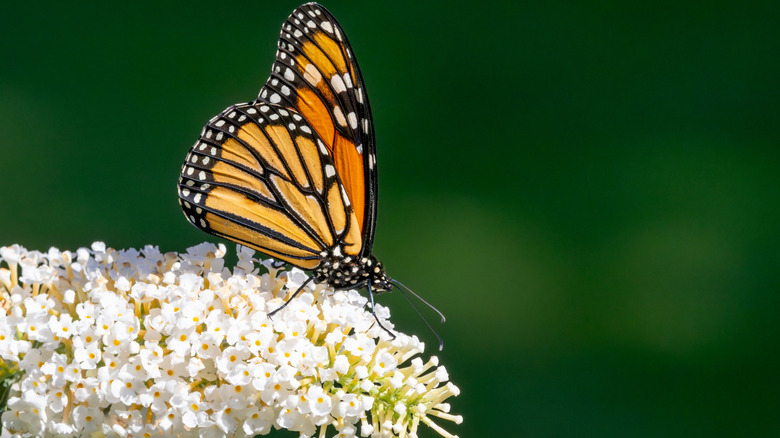
Growing butterfly bush (Buddleja spp.) is not only easy, but quite popular for gardeners looking for a large, striking shrub that will come back each year and attract pollinators with long-blooming clusters of pink, purple or white flowers. But some states like Washington and Oregon consider butterfly bush to be a noxious weed, and prohibit its planting (with the exception of some sterile cultivars). This perennial from China and Japan can quickly spread from your garden to take over disturbed areas nearby, crowding out natives.
Japanese spirea
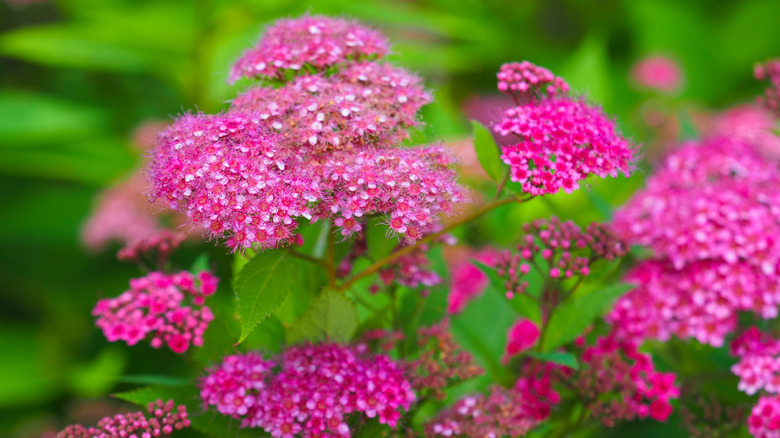
Another large, stunning shrub popular in home gardens is Japanese spirea (Spiraea japonica), which puts out clusters of delicate pink flowers set against green, serrated leaves. There are also cultivars with pretty bright yellow and reddish leaves. This native of Asia has long been admired in the U.S. for its ornamental qualities. And while it sure looks pretty in a Japanese-themed garden, now this plant is invading natural areas all over the Southeast, including Great Smoky Mountains National Park, where they are considered an aggressive threat to native ecosystems.
Bamboo
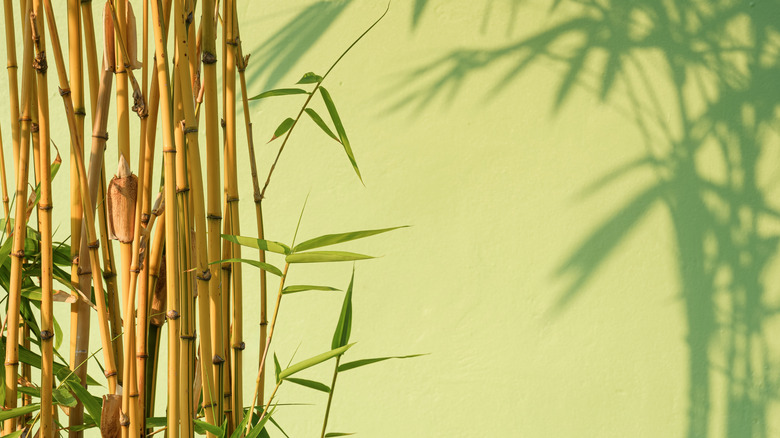
An attractive, architectural plant commonly used for privacy in modern gardens is bamboo. The most common species of this panda favorite, golden bamboo (Phyllostachys aurea), is considered invasive in many states. This is because it will quickly form a dense, shady thicket, not allowing any other plants to grow. Bamboo spreads quickly underground to all areas of your yard, and it will even send up shoots that can damage concrete pathways and home foundations.
Multiflora rose
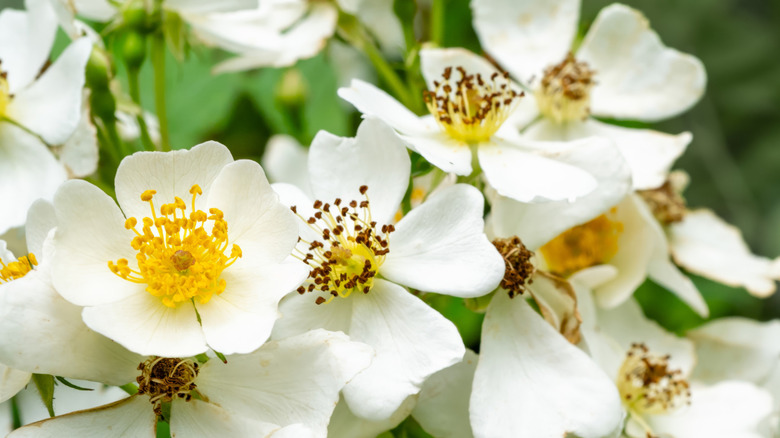
If you love a rose garden, make sure to avoid the beautiful but downright problematic Multiflora rose (Rosa multiflora). This invasive plant delivers delicate white-petaled flowers with yellow centers, but it also quickly spreads to form dense, thorny brush that is difficult to manage. A menace of the Midwest and the east, this rose was once planted as "living fences" on pastureland and as erosion control by the U.S. Soil Conservation Service. Now the target of many state and local programs designed to remove it, it has spread so widely that it interrupts grazing lands and native ecosystems.
Lantana
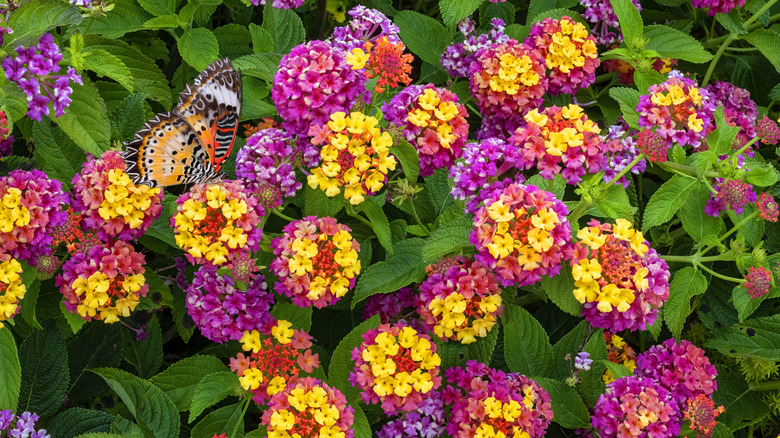
Lantana (Lantana camara) is a beautiful perennial shrub often chosen by gardeners for its showy, multi-colored flower clusters. Pollinators love it, making it a popular choice for container or hanging gardens to draw in butterflies and hummingbirds. But this perennial is as invasive as it is pretty, especially in warm climates like California and Texas. Lantana has the distinction of being one of the world's most invasive species, and on top of that, its berries and leaves are poisonous to pets and people alike.
Periwinkle
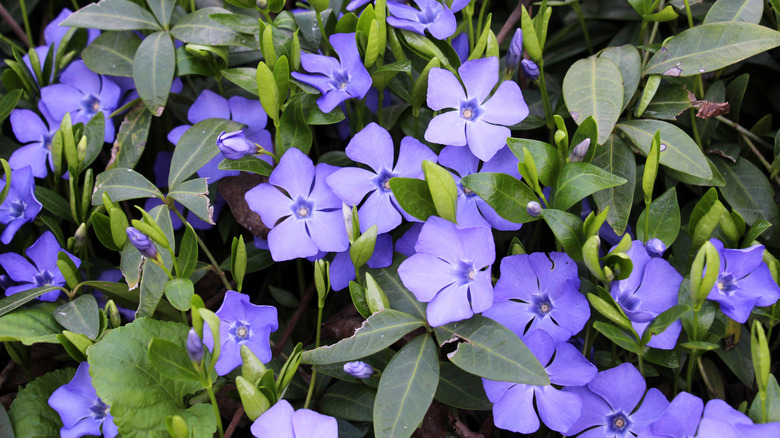
While some invasive plants are hard to find on store shelves, you'll have no trouble tracking down common periwinkle (Vinca minor). This ornamental groundcover fills in empty garden spaces easily, adding color with its bluish-purple flowers. It is sold just about everywhere, despite it being considered invasive by many states. It can form dense mats that will make growing other flowers difficult, so if you like a diverse garden, you'll want to pass on the periwinkle.
Chameleon plant
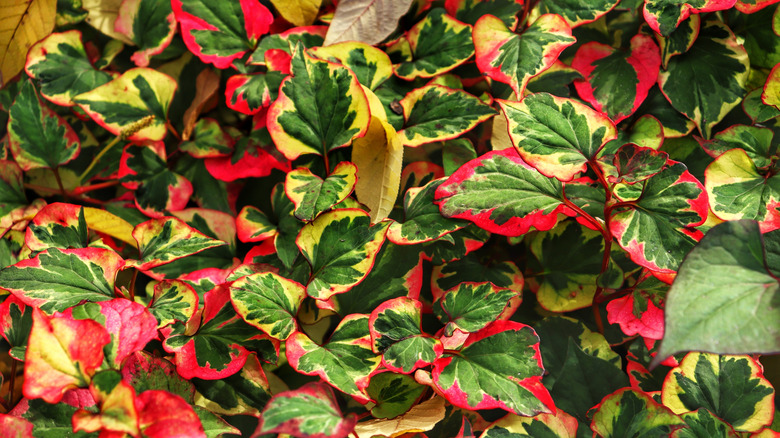
Another colorful groundcover that may catch your eye at the hardware store is Chameleon plant (Houttuynia cordata). But keep moving on down the aisle, because if you add this perennial to your garden you may never get rid of it. Along with variegated leaves of green, red and yellow, this perennial puts out pretty, delicate white flowers that will brighten even the shadiest and wettest parts of your garden. But soon it will take over, leaving no space to add anything else.
Lily of the Valley
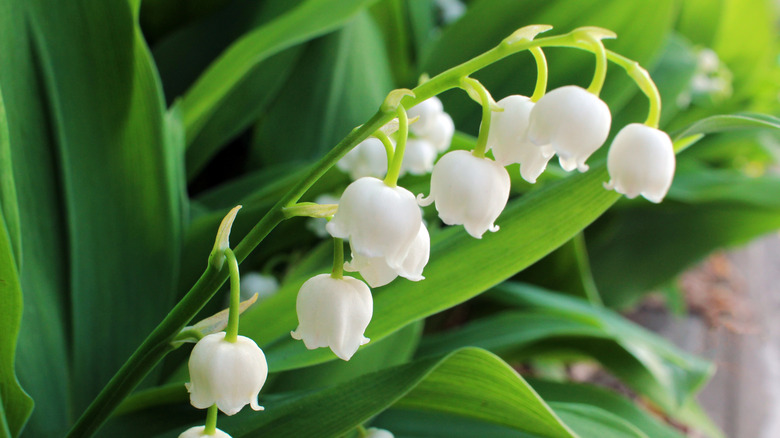
Another common flower taking up space on garden store shelves is lily of the valley (Convallaria majalis), whose name sounds downright bucolic. But this sweet-smelling plant with elongated green leaves and gorgeous little white, bell-shaped flowers will not only spread to every corner of your garden, it is toxic to kids and pets.
If you do end up planting it, you'll be spending hours weeding it from spaces where it isn't wanted. And be sure to wear gloves.
Hellebore
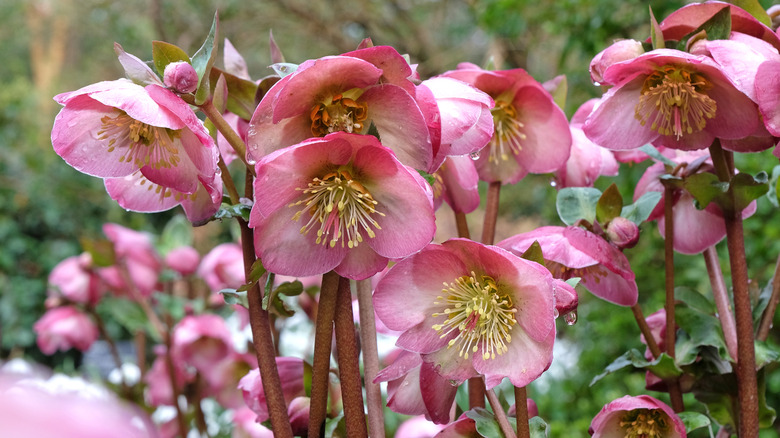
Another poisonous, yet beautiful flowering perennial that you can easily buy off the shelf is a hellebore (Helleborus). This group of flowers comes in a multitude of pretty colors, looks fabulous in a cottage garden, and thrives in partial shade.
Hellebores were popular in ancient Greece for somewhat dodgy medicinal uses, and consuming any part of this plant will actually make you quite sick. Not that you are going around eating your perennial flowers, but your dog might, and that will definitely mean a trip to the vet.