

The Forgotten Kitchen Liquid That Helps Aloe Vera Plants Thrive
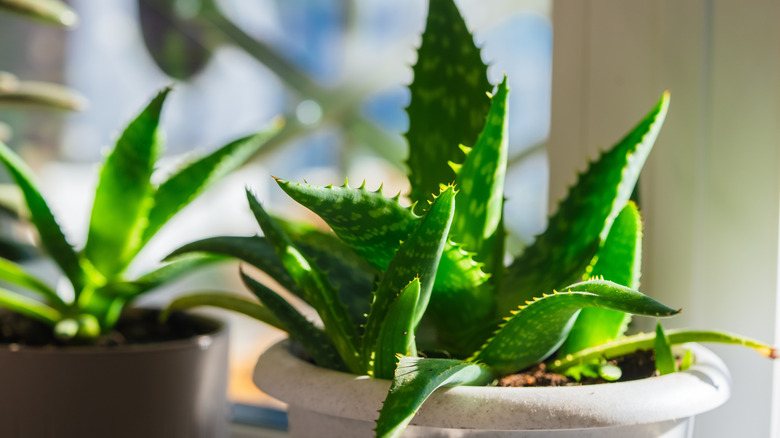
If you have aloe vera (Aloe barbadensis), you might be drawn to this popular plant's notably large leaves or its possible medicinal qualities for topical remedies. In either case, aloe vera is easy to grow and is typically considered a beginner-friendly houseplant that prefers drier growing conditions. In general, aloe vera isn't considered a very picky plant at all, with the exception of overwatering. This doesn't mean aloe vera can be neglected, though. If your plant looks like it could use some help, you might have heard about gardening enthusiast remedies such as rice water. While aloe vera might possibly benefit from adding this common kitchen liquid, such effects lack confirmation from reported scientific studies to date.
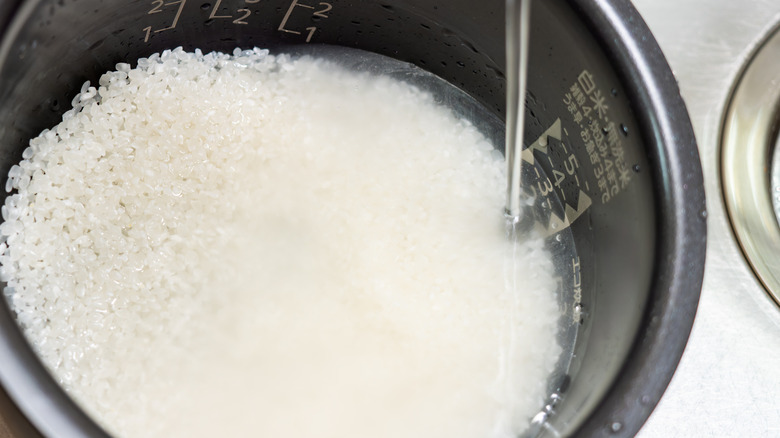
First, it's important to understand the components of "rice water." Essentially, this liquid is the starchy water that's left over from rinsing or cooking rice. According to Medical News Today, it's thought that rice water is a good source of B vitamins, antioxidants, and minerals. Rice water has gained attention among wellness enthusiasts as a way to promote healthier skin and hair, with such uses stemming from traditional Eastern practices.
Aside from personal use, rice water also has a reputation as a DIY fertilizer for home plants thanks to its mineral content. A 2022 study published in Agronomy found that fermented rice water included the same minerals you might see in commercial NPK plant fertilizers. In the case of this study, though, researchers tested the fermented rice water in choy sum plants — not aloe vera. Despite the possible addition of minerals to soil, keep in mind that studies supporting rice water for aloe vera are currently lacking.
Tips for providing aloe vera with rice water
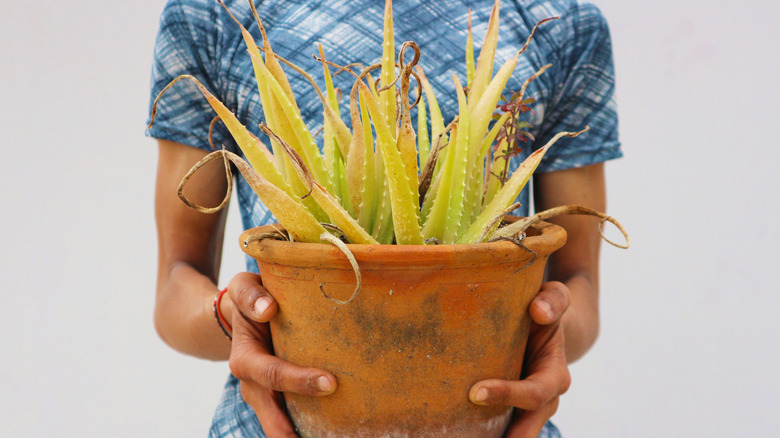
Overall, while more research is needed to determine whether rice water is conclusively helpful for aloe vera growth, there may still be some advantages to the practice. According to The Spruce, succulent plants may benefit from rice water when applied once a month, but aloe vera is not discussed specifically. You will need to use your judgment to see if your plant seems dehydrated or is lacking nutrients. For aloe vera, yellowing leaves are common signs that the plant needs fertilizer that makes plants greener. It can also mean your plant is getting too much or not enough water, though. Out of typical plant nutrients, aloe vera needs nitrogen the most, per the University of Maryland Extension. In theory, rice water's nitrogen content could add a small boost to aloe vera plants lacking this essential nutrient.
If you do want to try out this method for healthy indoor aloe vera plants, the first step is to make rice water. This should be relatively simple if you happen to already rinse or boil rice at home on a regular basis. Reserve any leftover starchy water that's available by straining it. Fermented rice water is created by allowing the rice to soak in water at room temperature for 48 hours before straining. When using cooked rice water, you will need to double up on the amount of water you normally use so there are some reserves leftover. Be certain there are no additives such as salt, spices, herbs, or butter.
The downsides of using rice water for aloe vera
Before you're tempted to ditch store-bought plant fertilizers, know that rice water is generally viewed as a supplement for plant health. Another big question is whether aloe vera really needs rice water, especially since this plant typically only requires fertilizer a couple of times per year (if that). Also, know that this method isn't widely promoted among university extensions as a way to support aloe vera more specifically. In fact, the USDA's Extension Foundation even notes that rice water could be problematic due to its imprecise nutrient makeup, as well as possible heavy metal content.
If you're curious about this rice water trick, feel free to proceed — but with some caution. Most importantly, you should keep aloe vera's core rules of care in mind and only use rice water as a supplement to your regular routine. Maintain aloe vera's preference for drier growing conditions, and only add rice water when the soil feels dry to the touch. Also remember that aloe vera is only hardy in USDA zones 10 to 12, which is why these need indoor plant care as houseplants in most parts of the U.S. If you live in a colder climate, adding rice water as a nutrient boost for outdoor aloe vera does not change this fact.