

The Hidden Disadvantages To Asphalt Shingle Roofing That You Should Know About
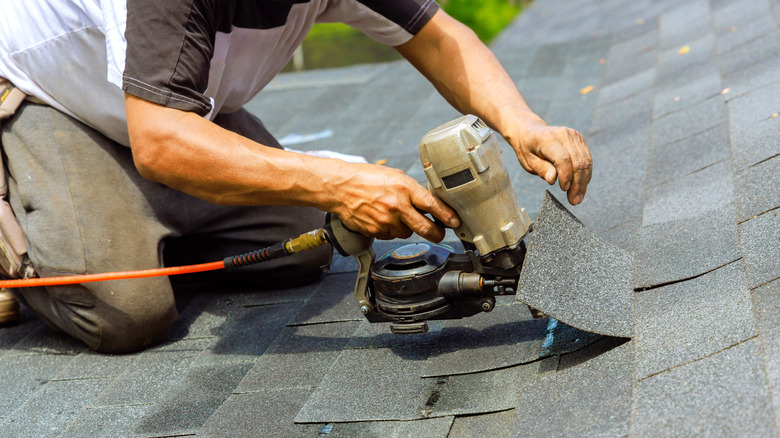
Whether you spot a saggy spot or a mysterious water stain on the ceiling, there are several signs it's time for a new roof. Since a roof is one of the biggest investments you'll ever make in terms of both your home's curb appeal and protection from the elements, it's important to get it right. For most homeowners, asphalt shingles are the default solution. Cost-effective and easy to install, they're used on more than 80% of homes in the United States, according to the Asphalt Roofing Manufacturer's Association. Despite that widespread popularity, there are certain disadvantages to asphalt shingle roofing as well, including its relatively short lifespan, energy inefficiency, and higher long-term costs.
On paper, asphalt looks like the obvious winner in terms of cost. Angi puts the average price of a new asphalt shingle roof at around $10,500, while metal runs at least $1,000 more and cedar shake can cost twice as much. Especially if you're replacing your roof unexpectedly, asphalt may sound like a bargain. The problem is what happens after your installers leave.
Asphalt shingles typically last just 15 to 30 years, whereas cedar shake can last between 30 to 50 years and metal lasts between 40 to 100 years, depending on the type of material. That means an asphalt roof will likely need to be replaced at least once, and maybe twice, before a metal or cedar roof reaches the end of its life. When you factor in costs for labor, disposal, and inflation, that "cheaper" roof often becomes the most expensive option over time.
How asphalt shingles impact energy bills and curb appeal
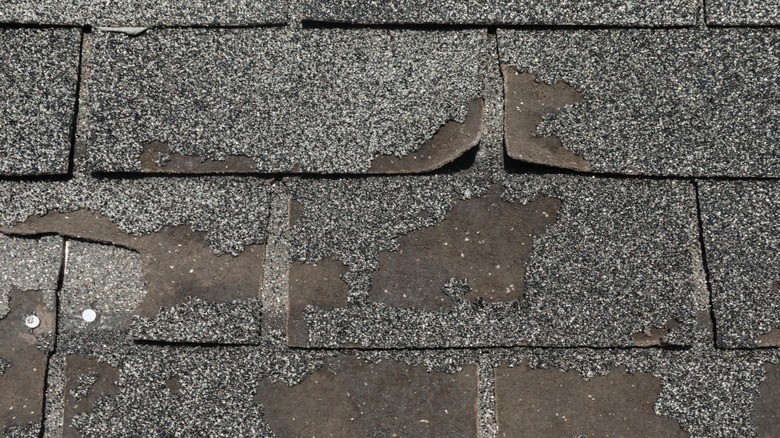
When you're weighing different types of roofing systems, the cheapest quote doesn't always tell the whole story. Before installing an asphalt shingle roof, one of the biggest things to keep in mind is how they perform under real-world weather conditions. Asphalt absorbs and holds onto more heat than other materials, causing your home to heat up faster and stay warmer longer. Unlike metal roofs, which reflect solar energy and can reduce energy costs by 10 to 40%, asphalt tends to trap heat unless you splurge on premium reflective versions or invest in upgraded insulation and ventilation work.
Over time, excess heat shows up as higher cooling bills, which becomes an ongoing expense many homeowners don't factor into their roofing decision. Cold weather introduces another set of challenges. Asphalt shingles can become brittle and less flexible in winter, making them more vulnerable to cracking, ice damage, and lifting right off with strong gusts of wind. Repairs after winter storms are common, adding yet another layer of expense that's easy to overlook when asphalt seems like a budget-friendly option on paper.
Beyond performance, asphalt shingles can also affect how your home is perceived when it's time to sell. While their uniform look works in many neighborhoods, it doesn't add the same distinguishing character as metal or cedar shake. Although Angi suggests new asphalt shingles, metal, and cedar shake roofs can all recoup roughly 60 to 70% of their installation cost at resale, having the same roof as every other house on the block doesn't add much wow factor. These tradeoffs can cost homeowners over time, not just in dollars, but in comfort, durability, appeal, and long-term value.