

The Fast-Growing Fruit Tree That Thrives In Cold Climates & Is Great For Beginners
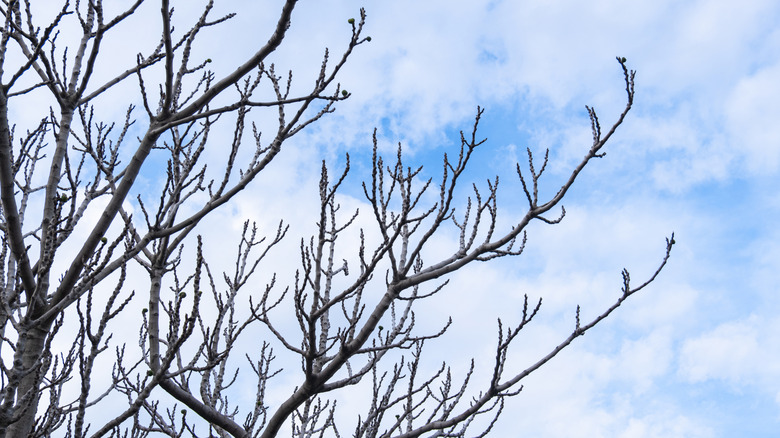
Fresh figs are delicious but hard to come by. A ripe fig can spoil in a matter of days, and they're too expensive to waste. If you want a steady supply of fresh, ripe figs without breaking the bank, one of the best options is to grow your own fig tree. Unfortunately for most northern gardeners, common figs (Ficus carica) do well only in the warmer U.S. Department of Agriculture (USDA) hardiness zones 7 through 10. There is another option, though. The Chicago hardy fig (Ficus carica "Chicago Hardy") is able to tolerate much colder temperatures, and it grows quickly enough that you can expect a harvest in only a couple years!
The Chicago hardy fig is not the only cold-resistant cultivar, but it is the hardiest. It can be grown as far north as USDA hardiness zone 5 and can tolerate cold temperatures far below freezing. This resistance makes it a great tree for beginner gardeners living in a colder climate. Chicago hardy figs don't require a lot of effort to care for, and their smaller size makes them a more manageable plant than most larger fruit trees. They're even one of the fruit trees you can grow in containers, meaning you can bring them indoors if a harsher than average freeze is expected.
Growing your own Chicago hardy fig
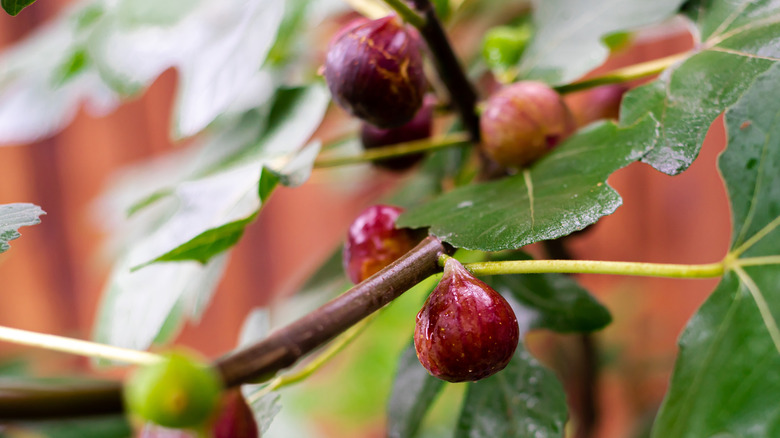
While you can germinate a fig seed, it's faster and generally more reliable to start with a sapling. Check your local nurseries and garden stores to see if they have any, but if they don't carry Chicago hardy fig trees, you can order them online. Whether in a pot or in your yard, the soil should be well-draining. Fig trees aren't particularly tolerant of standing water, so avoid planting them in dense soil that holds water or in low-lying areas where water tends to collect. Be sure any container you plant it in has drainage holes for the same reason. Water it regularly through the first year after planting, but afterward you should only need to water your tree during dry weather or when the soil dries out fully.
Choose a spot where your fig tree will get plenty of sun. If you're close to the upper limit of their range but still want to grow your Chicago hardy fig outdoors, try to plant it somewhere sheltered to protect it from the worst of the ice and wind. Outdoor fig trees will also benefit from a layer of mulch to help insulate their roots in fall and winter. Prune your Chicago hardy fig tree in late winter when it is dormant. While it really only needs pruning to stimulate growth and remove broken branches, you can also use this to control its size. Even a small tree can be unwieldy if you're bringing it indoors, after all!