

The Hidden Downsides To Vinyl Sheet Flooring That You Should Know About
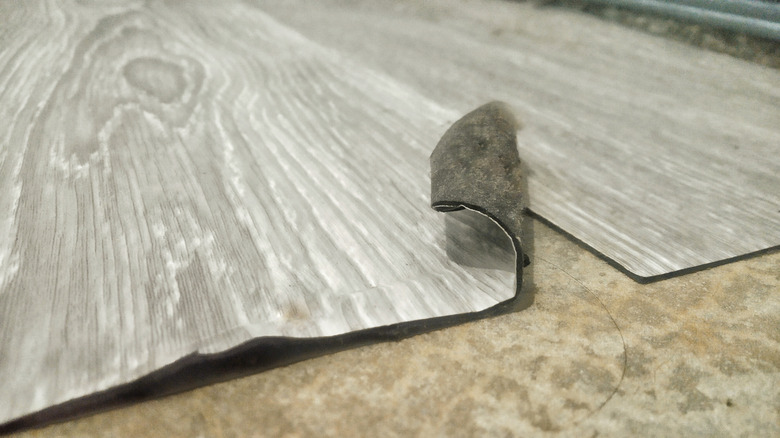
There are many options when it comes to flooring, and each one has both advantages and disadvantages. It can make choosing the right flooring for your kitchen, bedroom, or living room seem harder than it needs to be, but having all the info is important. Vinyl flooring is known for being cost effective and easy to install, and there are even upgrades like luxury vinyl flooring. However, there are also some downsides to vinyl flooring that you should be aware of before you make your decision.
Vinyl sheet flooring can be installed over most surfaces, but there's a catch. Since it tends to be soft and thin, anything underneath it that isn't flat and smooth can press into it. This can cause warping or even tears over time as the vinyl is pressed further into it by the pressure of your feet. Vinyl can also become discolored by exposure to the sun, the scuffing of feet or furniture, mold and mildew, and contact with certain materials like rubber. Unfortunately, this makes vinyl harder to repair seamlessly. Since the flooring is in one sheet, the only way to repair it without a total replacement is to cut the damaged section out and replace it. If your vinyl sheet flooring is even slightly discolored, the patch won't match the rest.
Can you avoid the downsides?
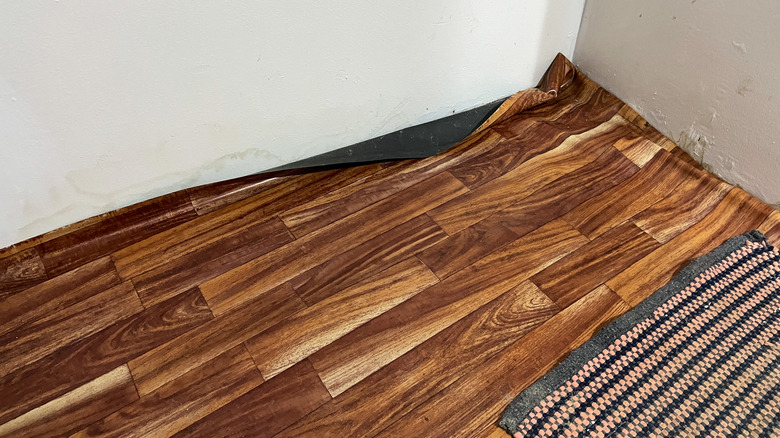
While you can't completely get rid of the downsides to vinyl sheet flooring, you can mitigate some of them through careful planning, installation, and maintenance. Opt for a thicker vinyl sheet that is higher-quality to get the best results. Before you install the flooring, make sure that whatever surface will be beneath it is as clean and smooth as possible. Even a small bump can cause damage in the long run, so be thorough. If there is something on or in the surface that can't be smoothed out, you may want to consider a different type of flooring. It can also be helpful to get your vinyl flooring professionally installed to avoid any potential problems that come with incorrect application.
You can limit the amount of discoloration you see over the years by keeping bright sunlight off of it. A different flooring type may be a better fit for rooms where you want to have a lot of natural light. Natural light has advantages and disadvantages as well, so consider your options carefully. Rearranging your furniture regularly can help prevent damage to your flooring, but remember to move the furniture carefully. Finally, clean your vinyl flooring properly by avoiding harsh or abrasive chemicals that can damage it.