

The Added Benefits Of Putting A Bird Feeder In Your Garden
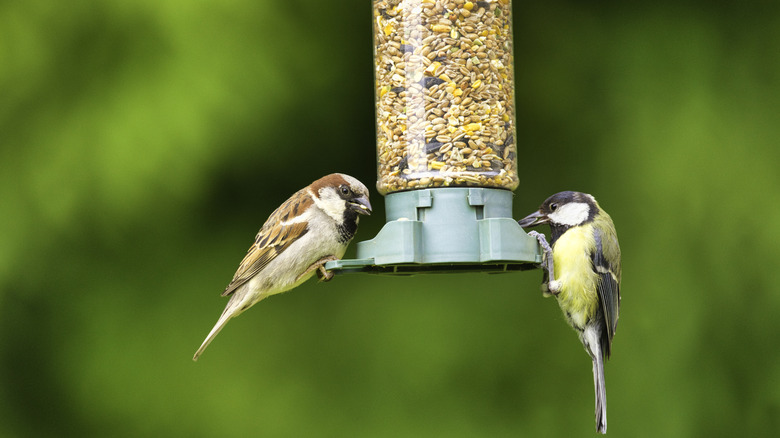
Creating a bird-friendly garden is one of the most rewarding activities you can undertake with your landscape, and there are numerous benefits that you may not have realized. Everyone who has adorned their yards with feeders, baths, and other features for feathered friends already knows how fun it can be to watch the birds while spending time outdoors. Most bird lovers also understand that we aren't the only ones who are positively affected. Providing supplemental food is an easy way to help birds survive long, cold winters when other food is often scarce. Aside from the entertainment we get from watching them fly through the garden, they reward us in a few other surprising ways.
Beyond the simple joy of observing colorful birds in your yard, research suggests that bird-friendly gardens may support better overall mental well-being. A study published in BioScience revealed that living in areas surrounded by plants and birds of any species is linked to lower rates of depression and anxiety. In fact, simply sitting outside and listening to their cheerful songs can help you feel more mentally refreshed and less stressed afterward. To reap the rewards, set up a few feeders at different heights and fill them with their favorite foods, such as sunflower seeds, millet, or dried fruit. In return, your garden becomes a peaceful place to slow down, breathe, and enjoy their music.
Ecological benefits of having bird feeders in your garden
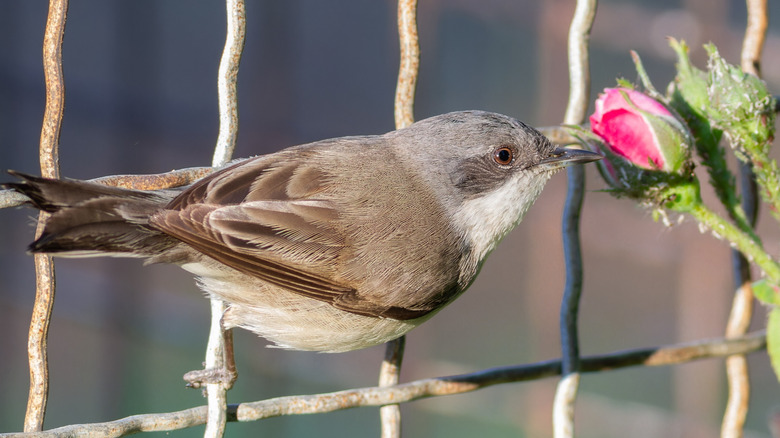
Surprisingly, having a bird feeder in your yard means using fewer chemicals. One way birds lessen the need for pesticides is by acting as a natural weed control. Supplemental food from feeders accounts for about ¼ of a bird's diet, and the rest of what they eat comes from foraging. Once seed-eating birds find your yard, they are likely to gobble down a large amount of seeds from weed plants, which can help reduce weed germination and shrink the soil seedbank over time. As birds snack on these seeds, the seeds can become damaged by their beaks or during digestion, making them nonviable. That said, it's still possible for some seeds to make their way into the soil through droppings, but the overall reduction in viable seeds generally results in fewer weeds overall.
Birds are also one of the best natural pest control remedies. In addition to foraging for seeds, birds will also snack on the bugs in your garden, including those that ravage your plants. Caterpillars, aphids, weevils, ants, whiteflies, earwigs, beetles, and leafhoppers are all pests that make up a bird's diet, depending on the species. However, their feeding habits will only benefit your yard if you keep up with the feeders. Seeds themselves can attract rodents, deer, or other pests. So, clean up fallen seed often and use deterrents to keep other animals out of your bird feeder.