

The Affordable Way To Cover A Chain-Link Fence To Make It Way Less Of An Eyesore
We may receive a commission on purchases made from links.
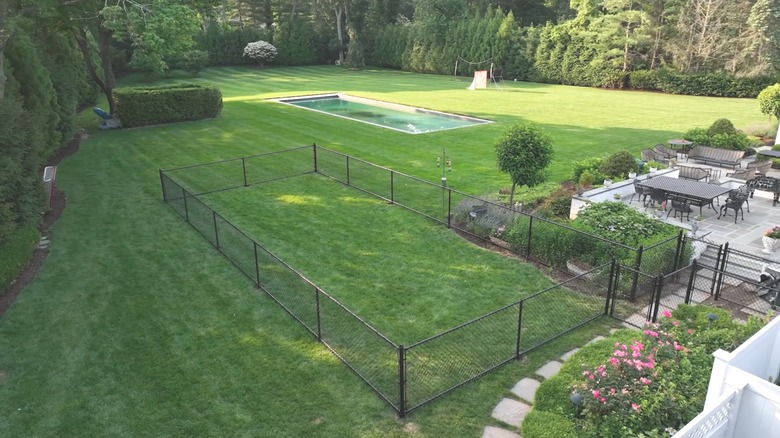
Chain-link fences aren't the prettiest option for landscaping, but they are budget-friendly, durable, low-maintenance, and require minimal skill to install. In fact, it's possible to DIY a chain-link fence yourself. If you own or rent a property with this eyesore, don't write it off just yet. There are affordable ways to cover and hide these metal fences.
One option is a reed screen, which is a roll of natural fibers designed to mask fencing. These rolls come in shades of tan and brown, and they create organic backdrops that complement natural landscapes filled with greenery. They're thinner than bamboo and only cost around $35 to $40 per panel, making them a great option for those on a budget. They're also easy to adhere to chain-link fencing. Since the permanent fence is already installed, this is even simpler than installing a freestanding rolled bamboo fence. No special tools or skills are needed. In fact, most of the supplies required are things most people already have at home, such as zip ties and scissors.
Considerations and steps to put up an affordable chain-link fence cover
Fortunately, rolled reed screens are straightforward to install, and chain-link is an easy material to work with. Before ordering the screen, measure your fence's length and width to determine the correct size to purchase. Remember to look up local code requirements for fences before beginning. Even though the chain-link is already in place, an additional reed cover may break the height limit or restrict road visibility. This leads to conflict with local HOAs and city ordinances.
Once you're sure a cover is permitted, start exploring options online and at local home improvement stores. The Shydzyyc Reed Fencing Roll comes in a light tan or warm brown color and has several height and length options to pick from. It also comes with zip ties, which can be used to attach the screen to the fence.
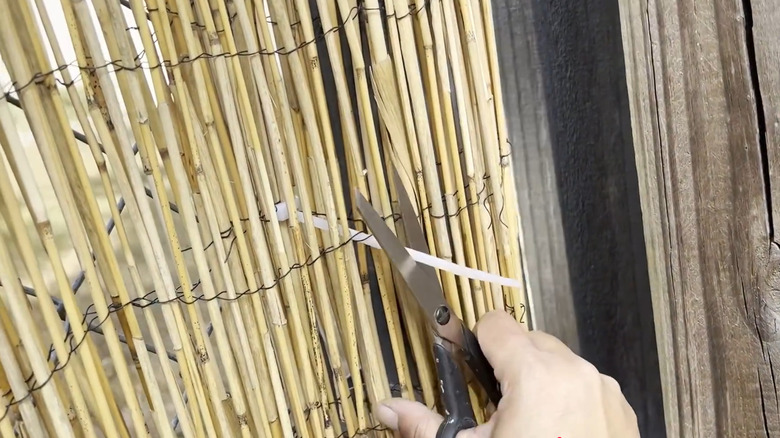
Install this cover or another similar style by propping it against the pre-existing fence. Keep in mind, this job is easier with two or more people. Loop a zip tie around the reed screen wire or several reeds, and connect them with a metal chain-link. Put one loop at the top, one in the middle, and one at the base. Repeat the process every 12 to 18 inches along the fenceline. Don't forget to snip the ends of the zip ties to improve the overall look.
The reality and the downsides of this chain-link cover
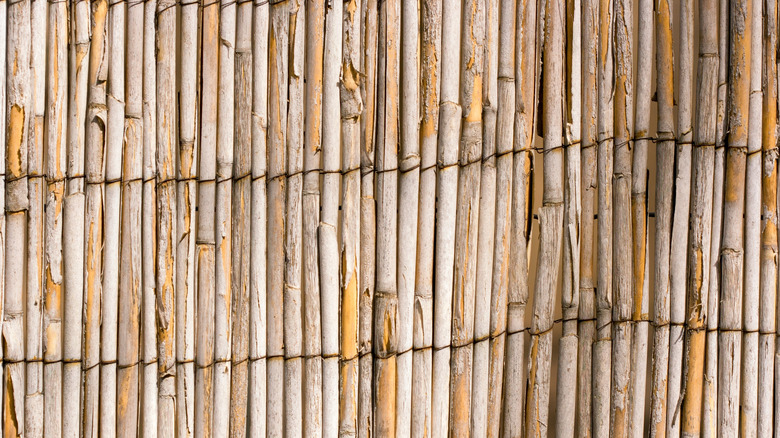
Although this project is a low-cost way to add aesthetic appeal and some privacy to your yard, you should be wary of the reality of reed screens. Since they're made of a thin, porous plant fiber, they aren't long-lasting. Harsh sunlight, strong winds, and heavy rain deteriorate them over time. Therefore, only expect a well-done DIY to last 2 to 5 years. Fortunately, this lifespan is extendable by re-securing and reinforcing certain spots when the fibers sag and weaken.
There are also proactive steps that prolong the life of reed screens. Install the screen several inches above the ground, even if some of the chain-link peeks out from beneath it. This keeps the bottom from sitting in water and moisture after rain and sprinklers. Another method is to spray down the reeds with Thompson's WaterSeal Multi-Surface Waterproofer Stain for a clear, water-resistant finish.