

The Real Reason Older Homes Weren't Built With Insulation
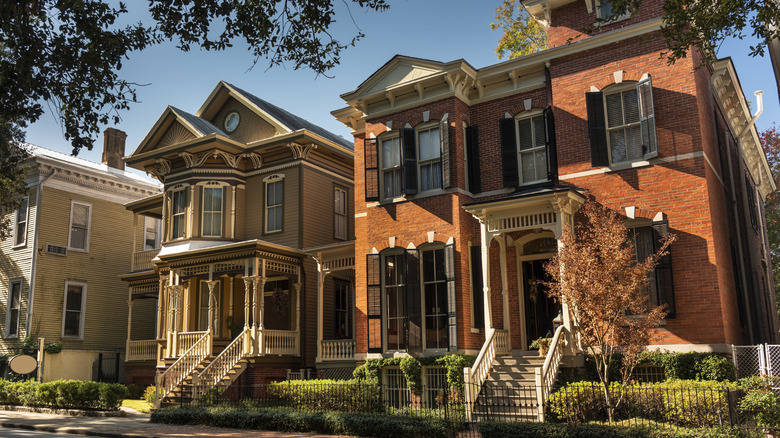
Older homes have character that's hard to replicate with modern construction methods. From solid wood doors to plaster walls, double-hung windows to high ceilings, historic homes were shaped by local materials, regional climates, and a level of craftsmanship that's hard to find even in today's DIY-crazy world. Even the most modest prewar homes tend to feel less cookie-cutter than today's subdivisions, where material efficiency and design uniformity rule the day and drive nearly every construction decision. But for all their glorious stained glass windows, cool patterned interiors, and elaborate fireplace mantels, what older homes don't usually offer is insulation.
It wasn't that our ancestors loved living in drafty houses. The real reason older homes weren't built with insulation is that they were designed to function without it, thanks to different building materials, heating methods, and construction realities of the time.
Most older houses were designed to accommodate constant air movement. Plaster and lath walls, cupolas, air brick masonry, and wood siding were intentionally constructed to allow small amounts of air and moisture to pass through. This approach helped prevent condensation and rot long before the vapor barrier sheets and mechanical ventilation systems we rely on today were popularized. Instead of the latest and greatest efficient heating systems, heat in older homes came from drying fireplaces and stoves (and later radiators). Fiberglass and blown-in insulation, which is now bog standard in modern walls and attics, didn't become common until the mid-20th century when the suburban construction boom changed how homes were built for the masses. And, as building techniques shifted toward tightly sealed homes for energy efficiency, insulation became essential in a way it never was before.
The hidden risks of insulating historic homes
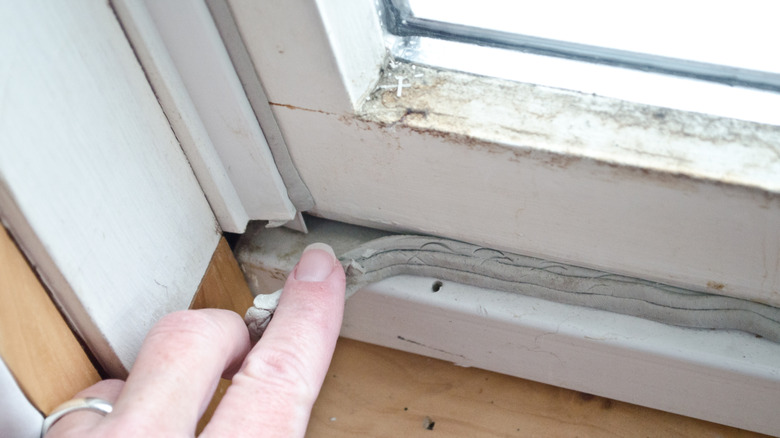
Understanding how older homes were built to "breathe" helps explain why adding insulation to a historic home isn't always a straightforward solution. When modern, high-performance insulation is added to walls or attics that were designed to release heat and moisture, it can drastically change the entire house. When air that once moved freely is slowed or stopped, and moisture that used to dry out naturally gets trapped inside walls, floors, or roofs, trouble often follows.
While reduced air quality can impact your family's comfort and health, trapped moisture creates an even bigger risk. In older homes, wood framing, plaster, and masonry rely on the subtle drying cycles to regulate moisture over time. Adding insulation without accounting for ventilation, air sealing, and vapor control can lead to musty odors, peeling paint, and mold growth in the home. These issues are especially common when dense insulation is packed right behind original plaster, or when foam products are applied directly against historic brick, both of which prevent moisture from escaping.
That doesn't necessarily mean that adding insulation is always the wrong choice for an older house, but the decision requires careful planning and, ideally, guidance from an expert in historic construction methods. Older homes often lose heat through windows, chimneys, and attics, so sealing around obvious leaks, incorporating breathable insulation like sheep wool, or replacing original windows with more efficient ones can deliver better results with far less risk. Rather than forcing an older home to behave like a modern airtight structure, respecting how it was originally designed to work often leads to smarter, healthier upgrades.