

The Hardwood Flooring Alternative That's Predicted To Rule Kitchens In 2026
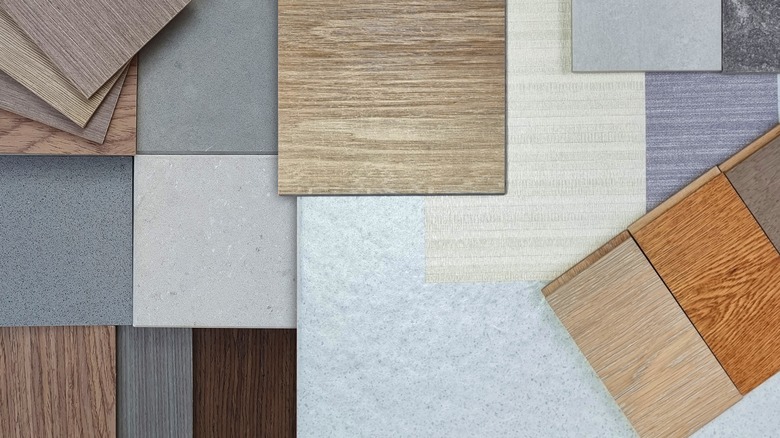
A ton of thought, care, and hard-earned cash goes into a kitchen renovation, so it comes as no surprise that material selection is one of the most important parts of the planning process. Choosing high-quality materials that are worth your significant investment in the long run is crucial to ensuring a successful, long-lasting result that you will love for years to come. One of the bigger-ticket items in a kitchen renovation (especially if it's part of a larger main floor remodel) is the flooring. As such a high-traffic, heavily-used area, the flooring you choose for your kitchen not only has to look great, but also withstand significant wear and tear over time. Though solid hardwood floors have traditionally been touted as the highest quality flooring to install, with an incredible lifespan and huge appeal (i.e. ROI if you move), many kitchen design companies and flooring industry experts expect that LVP, or luxury vinyl plank, flooring is poised to be a top choice for kitchens in 2026.
Compared to traditional hardwoods, LVP has a lower price point and can often handle pet nails and the chaos of busy families with less scratching, staining, and water damage than its wood counterparts. Add onto that its warm wood-look appearance, and the question becomes, will people in 2026 choose this popular hardwood alternative over the real deal? Well, as an interior designer, I generally agree it will continue to be a very popular flooring choice and can, in some cases, be a solid option. However, I do feel there is more nuance in the choice to install LVP in the kitchen, so let's chat about everything you need to know about LVP: the good, the bad, and the ugly truth about why material selection is everything.
Why LVP has become a popular choice for kitchen flooring
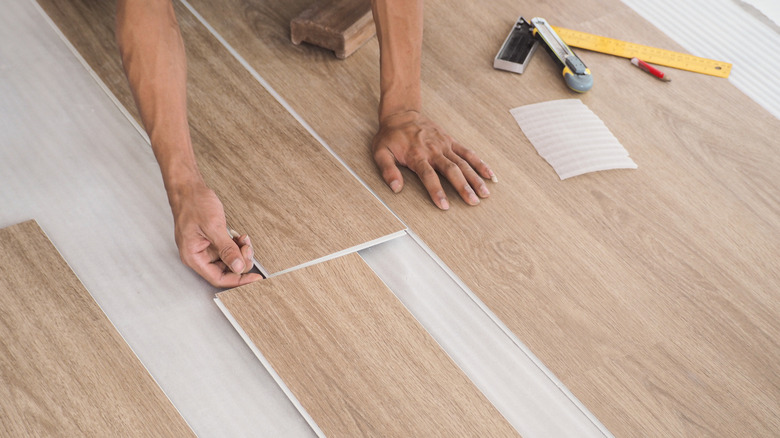
Luxury vinyl plank flooring has become extremely popular over the last decade or so, thanks to its lower price point most types of hardwood floors, but with a similar, organic look. Because it's a manmade product, there are endless colors, plank widths, textures, and overall aesthetics to choose from to fit your personal style. And, as technology has improved, the wood-like texture and appearance have also become quite convincing. But aside from looks, LVP is often chosen for the kitchen for its low maintenance requirements, practicality, and affordability.
LVP is a naturally water-resistant material, and in many cases, 100% waterproof, which makes it very desirable for an area like the kitchen that experiences leaks, spills, and splashes. LVPs with a thicker wear layer on the surface are also fairly scratch-resistant, making them a good choice for families with pets and kids. The flooring material is also very low maintenance, requiring only regular sweeping or vacuuming to look its best. Again, as LVP innovations have progressed, the overall quality, durability, and longevity continue to get better and better.
Cost-wise, installing LVP runs about $1.50 to $12 per square foot, compared to $3.50 to $22 for ceramic tile, $7 to $20 per square foot for engineered hardwood, or $6 to $25 for solid hardwood floors. Depending on the square footage you're installing, this can make a massive difference in your overall renovation budget. Between the aesthetic, maintenance, durability, and lower price tag, it's easy to see why LVP has become such a popular choice for kitchens, with little sign of going anywhere anytime soon. What's not to like? Despite all of these benefits, there are major downsides when it comes to using LVP flooring in the kitchen.
Major caveats to using LVP flooring in the kitchen
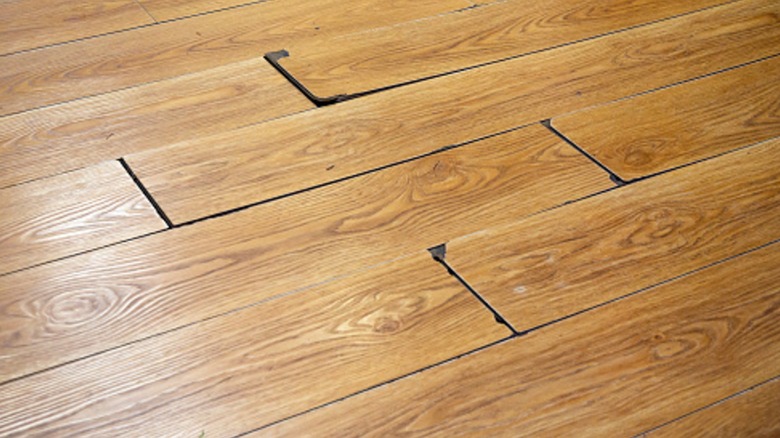
Now that I've sung its praises, let me break down my reservations with the blanket statement that LVP is a great flooring option for the kitchen. To start, there is a significant difference in longevity, value, and practicality between high- and low- quality LVP products. As a result, the key issue with LVP is that, unlike engineered or solid hardwoods, if you get scratches, nicks, or other damage, you cannot simply sand and refinish. Once you damage vinyl planks, they're damaged.
So, those who put low-quality, builder-grade materials in their heavily used spaces are quickly finding that the cheap floors do not have the durability in their finish layer and structure to keep up with daily kitchen use, leaving their floors looking beat up and in need of replacement after only a few short years. Though they may be cheaper upfront, the cost (financially and environmentally, which is a whole other conversation) of constant replacement ends up significantly higher than a tile floor that may last over 50 years or the still kicking 100-year-old hardwood floor.
But I'm also well aware that not everyone's living in their forever home and there's no one answer as to how to choose the right kitchen floor material. Sometimes, choosing an LVP is the only way to splurge on another renovation selection that makes your heart sing (a Wolf range or Taj Mahal quartzite countertops, perhaps?). So if LVP is your pick, I strongly advise choosing a high-quality product with a thicker wear layer and exceptional durability so you'll get at least a decade or more out of your investment. Nobody has the time, patience, or funds to replace their floors in three years, so, trust me, LVP in the kitchen is not the place to go cheap.