

Don't Throw Away Your Wood Ashes: These 16 Plants Will Thank You
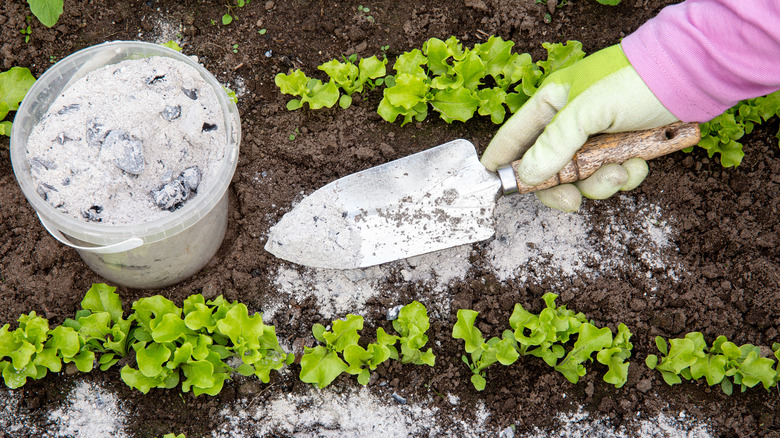
If you have an outdoor fire pit you love to use, you probably have a fair bit of wood ash leftover. It may not look like much, but those ashes can actually be helpful for your garden when used correctly. As long as you're burning wood that hasn't been exposed to any chemicals, wood ash is generally considered a safe and effective fertilizer. It can add potassium to the soil, raise the soil's pH, and even improve drainage. Fall and spring are the best times to apply wood ash to your garden, as long as you don't have any germinating seeds which could be harmed by it.
While many plants love wood ash, such as phlox, hollyhock, and honey locust, there are a few exceptions to be aware of. Since wood ash raises the pH, making it more alkaline, you should be careful when using it near plants that love acidic soil. Unless your soil is too acidic even for your blueberries and rhododendrons, only apply wood ash near plants that prefer neutral or alkaline soils. A soil pH test will also help you determine if wood ash is too alkaline for your soil. You can always compost your wood ash first and use the compost in your garden if you can't apply it to your soil directly. If you're also composting acidic scraps like coffee grounds, the wood ash can help balance everything out and give your compost a nice, neutral pH.
Turnips
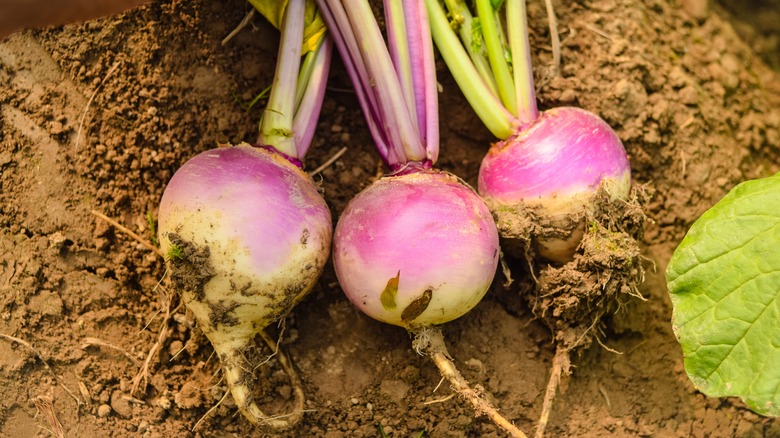
Turnips (Brassica rapa subsp. rapa) is a popular vegetable hardy in zones 2 through 9. They appreciate wood ash for two reasons. The extra nutrients are helpful, especially if you're growing a larger variety. The other reason is that wood ash can actually help prevent disease in turnips; turnips can develop club root, a disease that leads to deformed roots in certain plants. However, the organism that causes club root struggles in higher pHs. As the wood ash raises the overall soil pH, it can limit the organism's activity and decrease the risk of your turnips developing club root.
Brussels sprouts
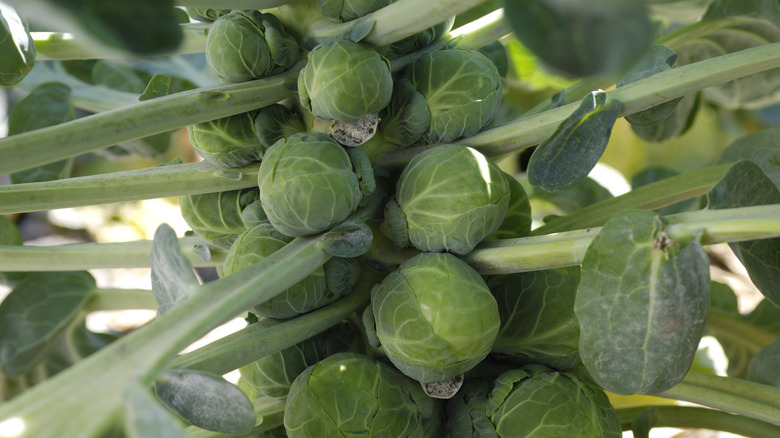
If you know how to grow Brussels sprouts (Brassica oleracea var. gemmifera), you can probably see why wood ash is helpful. Brussels sprouts are another member of the Brassica family that can develop club root, so raising the soil pH with wood ash is beneficial for them. They're hardy in zones 2 through 11, and it takes a lot of nutrients to grow as tall as they do. The added nutrients from wood ash will serve as a nice boost for your Brussels sprouts and help you ensure a hearty harvest.
Grass
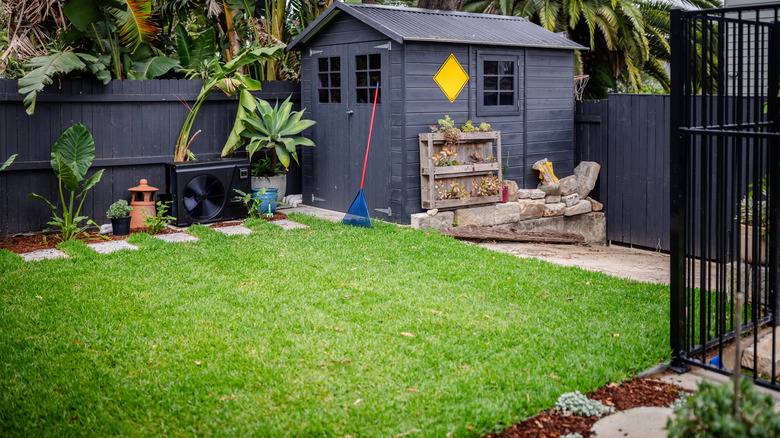
Grass typically grows in neutral pH soil and even enjoys slightly acidic soil, but there is a limit. If your lawn is discolored and struggling to grow, a soil pH test might reveal if the soil is too acidic for your grass. That's where wood ash comes in! Wood ash doesn't have enough nitrogen to fertilize your lawn, but it is useful for balancing out the pH of the soil. Test the soil before and after applying the wood ash to ensure you don't over correct the pH.
Beans
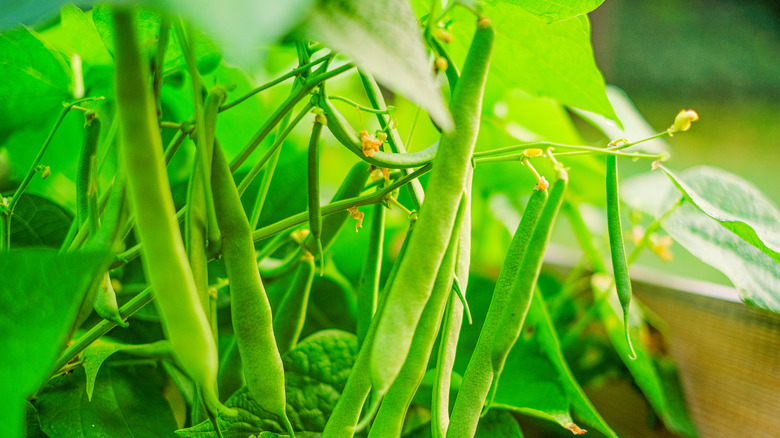
Beans of all kinds will enjoy some wood ash, as long as you test the soil pH first. Beans prefer neutral to slightly acidic soil, so if your soil is already neutral it's a good idea to either avoid using wood ash or compost it first. Nutritionally, beans benefit from fertilizer that is lower in nitrogen and higher in potassium and phosphorus, and wood ash is a great low-nitrogen source of potassium. Depending on the variety, beans can be grown from zone 2 through 11.
Kale
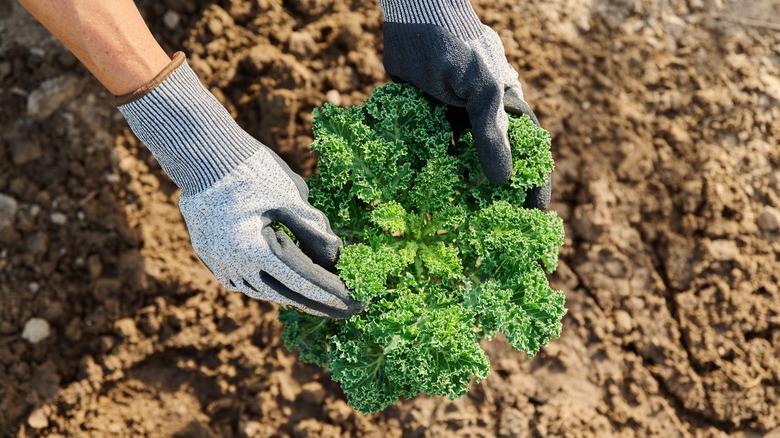
Kale (Brassica oleracea) is a popular addition to many salads and stir-fries, and it's surprisingly easy to learn how to grow kale, particularly since it can be grown in almost every zone. Wood ash is useful for keeping your kale from developing club root, and it will benefit from some of the micronutrients and potassium in the ashes. You will still need an additional fertilizer, though, as kale needs a lot of nitrogen. Adding a small amount of wood ash to the soil followed by compost is a good way to keep your kale healthy.
Honey locust

Honey locust trees (Gleditsia triacanthos) are native North American trees that can be grown in zones 4 through 9. While they can grow in a wide range of soil pHs, honey locust trees thrive in higher pH soils. They can grow in soil with a pH up to 8.2, meaning you don't have to worry about wood ash making the soil too alkaline unless your soil has a naturally high pH. While you'll still need to ensure your tree has a source of nitrogen, wood ash is a good source of potassium for your honey locust tree.
Geraniums
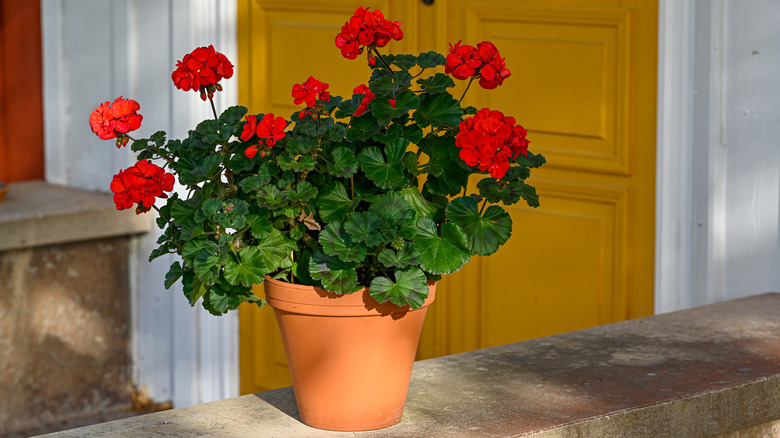
Geraniums (Geranium spp.) are another plant that is adaptable to a range of soil pHs. They can typically grow in pHs as alkaline as 8 and are hardy in zones 3 through 8. You should take care when adding wood ash to potted plants, as it's easy to add too much and throw off the ratio of your potting soil. However, if your geraniums are growing in your garden near other plants that enjoy wood ash, you don't need to worry about hurting your flowers if some of the wood ash gets into the soil around them.
Candytuft
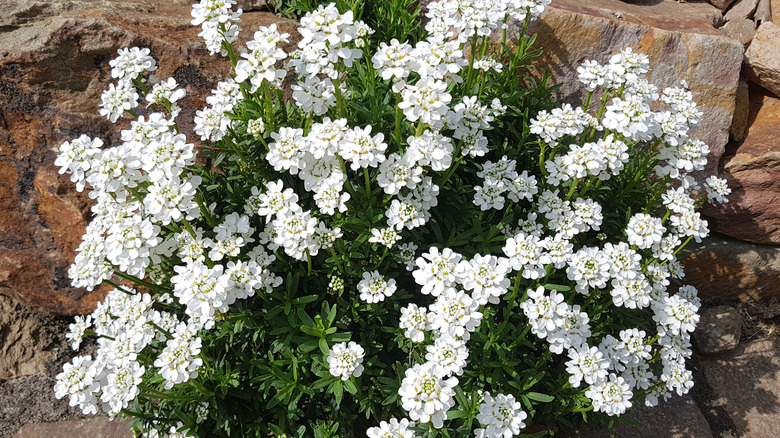
You may not know by looking at them, but candytuft flowers (Iberis commutata) are actually in the Brassica family! Unfortunately, that does mean that they have a moderate to high risk of developing club root if the disease-carrying organisms are present in the soil. Luckily, candytuft also prefers more alkaline soil, typically growing in a pH range of 6 to 8. These factors combined mean that wood ash is an excellent additive to the soil around your candytuft plants. Candytufts are hardy in zones 3 through 8.
Sedum

Sedum (Sedum spp.) are beautiful plants that are hardy in zones 3 through 10. It's a sturdy and adapatable plant that prefers soil that is well-draining and neutral to alkaline. Wood ash, which can both improve drainage and raise the soil's pH, is a great additive for sedum plants. If you're growing sedum as part of a container garden or alongside other common succulents, be careful when adding your wood ash, as most common succulents prefer neutral to slightly acidic soil, so try to keep the wood ash away from them.
Hollyhock
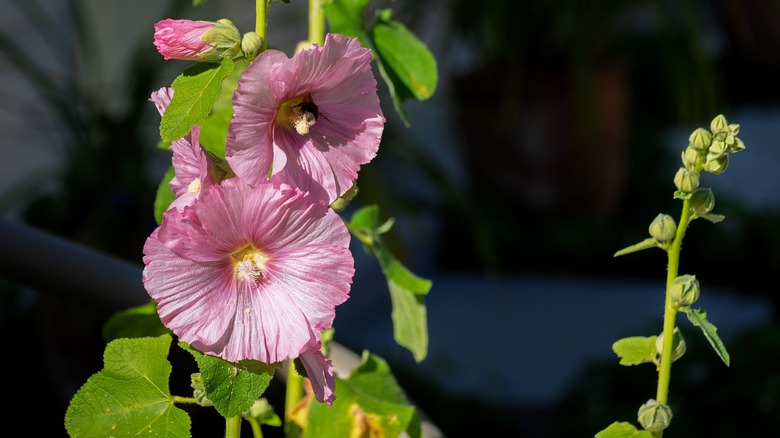
Hollyhock flowers (Alcea rosea) thrive in rich, loamy soil that is well-draining. They need plenty of nutrients to grow to their full heights and bloom, and wood ash can help supplement you regular fertilizing routine. Hollyhocks are adaptable to a range of soil pHs and can grow in soil that is anywhere from slightly acidic soil to slightly alkaline. This means you don't need to worry about using wood ash unless your soil is already fairly alkaline. They are hardy in zones 3 through 9 and make a great addition to pollinator gardens.
Eastern redbud
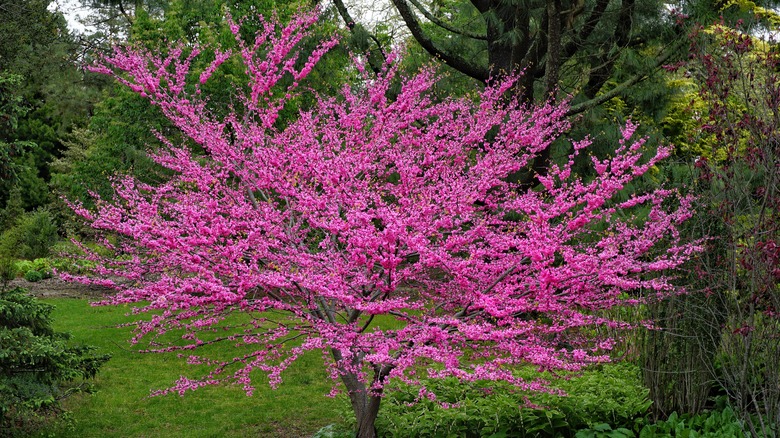
Eastern redbud trees (Cercis canadensis) is a native tree found across the eastern U.S. While it is a hardy and adaptable tree that will tolerate most soils, it does prefer more alkaline soil. If your soil pH is below 7.5, an application of wood ash is a good way to raise the pH and help your redbud thrive. Eastern redbud trees are hardy in zones 4 through 9. While they are on the smaller side for trees, they still need plenty of nutrients and will appreciate wood ash as a supplement to compost or fertilizer.
Apricots
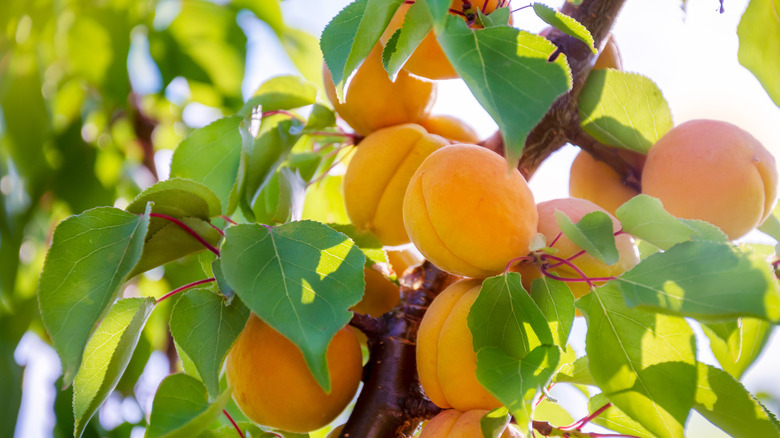
Growing apricot trees (Prunus armeniaca) is a great way to enjoy the freshest fruit from your own backyard, but it takes a lot of work for your tree to grow a full harvest. Compost or fertilizer will help ensure that your fruit tree gets what it needs, and wood ash can add some extra potassium to the soil. Test the soil first and be careful not to add too much, as apricots do prefer neutral to slightly acidic soil. Apricot trees are generally hardy in zones 4 through 9, although some cultivars may have increased resistance to hot or cold temperatures.
Sweet marjoram
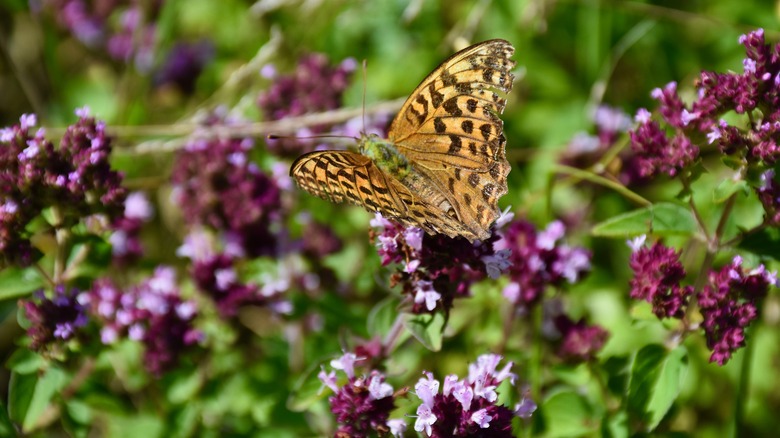
Sweet marjoram (Origanum majorana) may not be the most commonly planted herb, but it is tasty and useful. It is slightly harder to grow than some herbs, as it is only hardy in zones 9 and 10. Sweet marjoram thrives in soil that is rich in organic matter and nutrients, and it prefers neutral to slightly alkaline soil. Wood ash can be helpful on both counts, although you may want to compost it first if your soil is already alkaline. If you're struggling to grow sweet marjoram in your garden, test the soil and consider adding wood ash.
Phlox
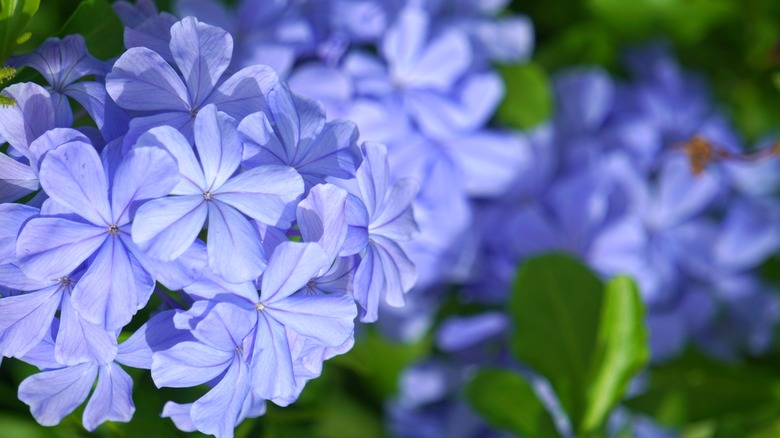
The three most common phlox species will all appreciate some wood ash, as they enjoy rich soil with a pH ranging from slightly acidic to slightly alkaline. Wild blue phlox (Phlox divaricata) is adaptable to most soil pHs and can be grown in zones 3 through 9. Garden phlox (Phlox paniculata) has a slightly narrower range, limited to growing in zones 4 through 8, and has a preference for more alkaline soils. Annual phlox (Phlox drummondii) has the broadest range — since it is an annual, it can be grown in any zone and tolerates most soil pHs.
Canna lilies
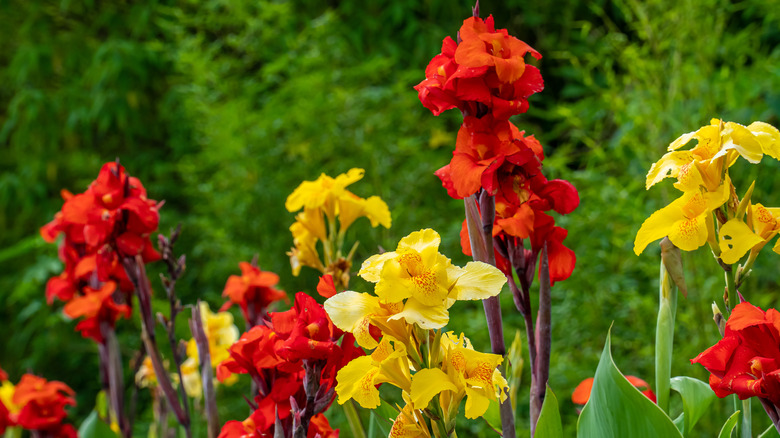
Canna lilies (Canna spp.) are gorgeous tropical flowers that are hardy in the U.S. in zones 8 through 11. For the best flowers, your canna lily plants need rich, moist, well-draining soil. Wood ash can help improve poor soil for your canna lilies, although you should take care not to overdo it. Although canna lily plants can grow in neutral to slightly alkaline soil, they grow best when the soil is neutral to slightly acidic. Add your wood ash in small amounts or compost it first to keep the pH from being disrupted too much.
Forsythia
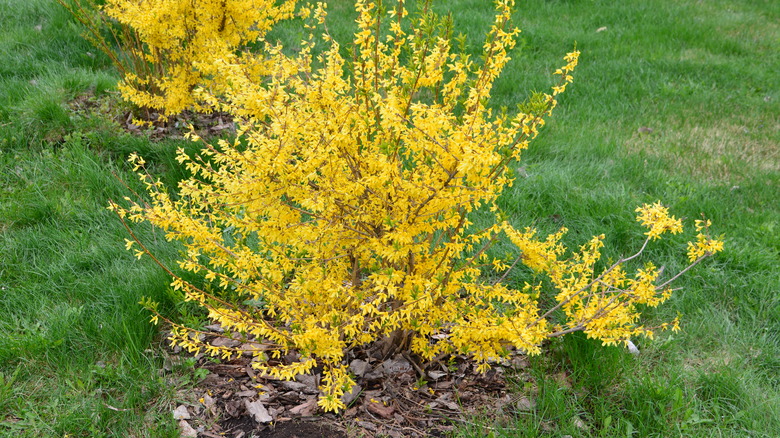
Forsythia bushes (Forsythia spp.) are beautiful, early blooming, and fairly easy to grow. They are considered invasive in some areas, so take care if planting them in your yard rather than in a container. Forsythias grow best if the soil pH is between 5 and 8, so the risk of over correcting the soil pH with wood ash is lower than with plants that prefer a narrower range. They can be grown in zones 5 through 8 and will tolerate poor soil as long as it is moderately well-draining, but blooms best when there's a steady supply of nutrients.