

Don't Throw Out Banana Peels! Strangely, These Plants Flourish With Them
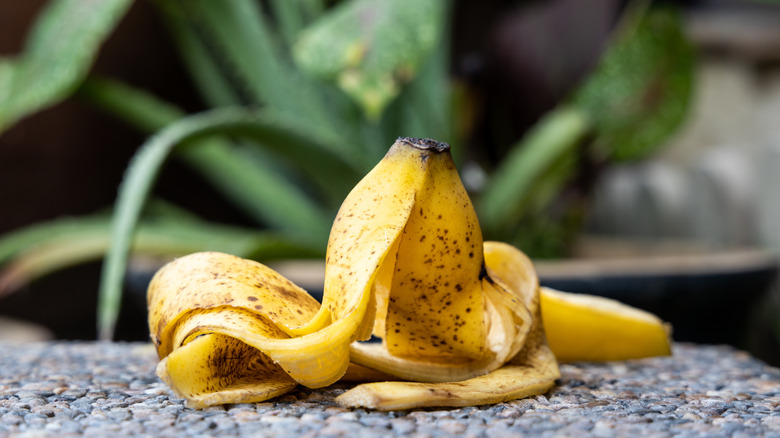
Trying to grow a fully organic garden can be tricky, especially if you have plants that need to be fertilized. If you don't have enough kitchen scraps to make a full serving of compost, but still want to use the little bit that you do have, then you're in luck. You can use banana peels as plant food to give some plants a little boost. Depending on the size and nutritional needs of your plant, banana peels may be a great supplement, but cannot replace other nutrient sources. As part of a balanced diet, banana peels can be a good source of nitrogen and potassium.
There's a few ways you can use banana peels to fertilize your plants. The best way to use them is to add them to your compost bin — but if you aren't able to compost them, you can cut or shred them, and then bury them around your plants. Be careful when using this method, as it may attract pests. Other options are to soak the peels in water to create a liquid fertilizer or dry the peels and crumble them into a powder that can be mixed into the soil.
While these methods aren't as effective as composting your peels, they may still add small amounts nitrogen and other nutrients to the soil. There are plenty of plants who don't need the extra boost (although they'll still be happy to get composted banana peels), but there are a few plants that might enjoy it!
Tomatoes
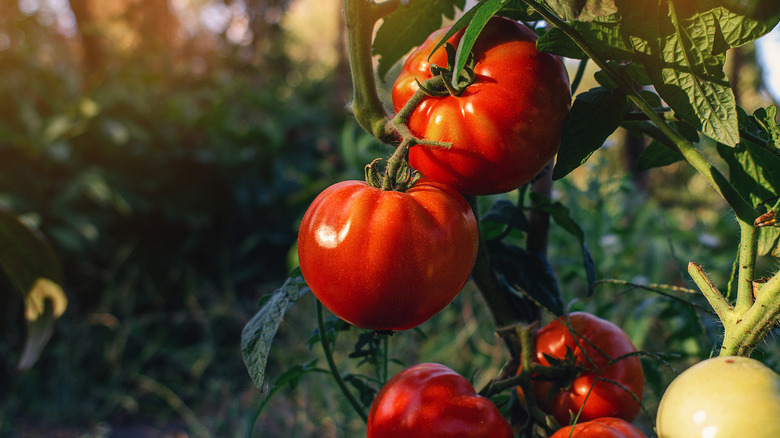
Tomatoes (Solanum lycopersicum) need plenty of nutrients to grow properly and produce a good harvest. Depending on the type of tomato, they can be grown throughout zones 5 through 11. Nitrogen helps plants grow strong stems and healthy leaves, while potassium is essential for strong roots. You can add banana peels to the soil around your tomato plants early in the growing season, before they begin to bloom. If you continue adding nitrogen-rich fertilizer to the soil after the plant starts to bloom, you may see fewer flowers and more leaves.
Roses
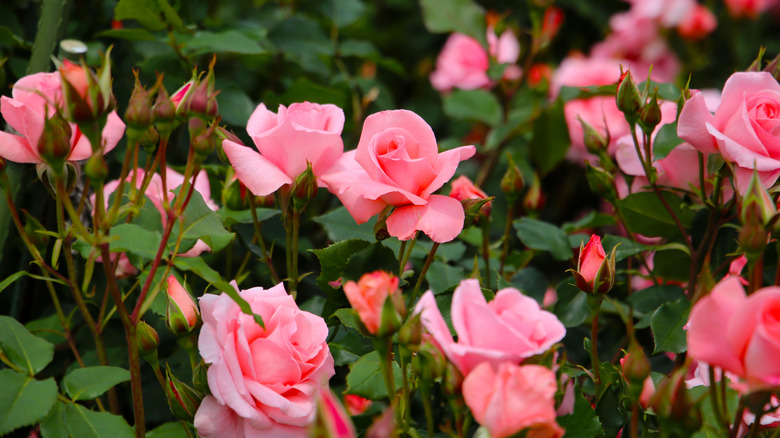
You can feed roses with banana peels to help them grow sturdy stems and roots. Roses (Rosa spp.) are heavy feeders, meaning they need a lot of nutrients in order to thrive. However, they can develop problems when given certain kinds of fertilizers. Highly concentrated fertilizers can burn them, so organic options like banana peels are generally considered safer. They do best with organic fertilizers that are broken down, so consider drying and crushing the peels or composting them. Most roses are hardy in zones 7 through 9, but specific varieties may be more cold hardy.
Pothos
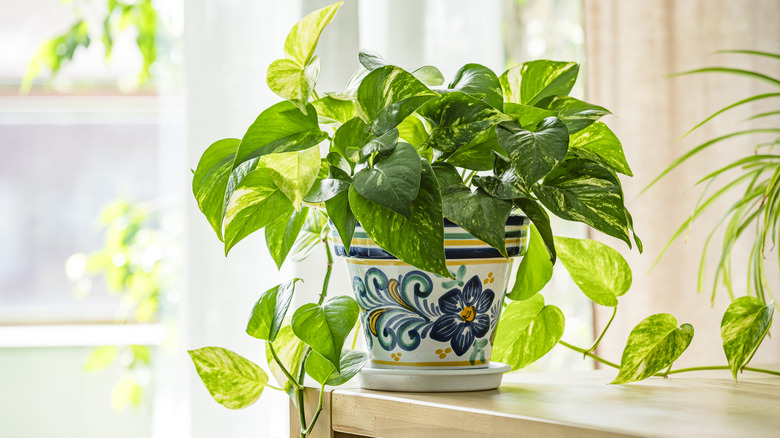
Pothos (Epipremmum aureum) may only be hardy outdoors in zones 10 and 12, but it's an exceedingly popular houseplant across the U.S. Best known for being easy to care for and beginner-friendly, pothos plants thrive with fertilizer that is rich in both nitrogen and potassium. This makes perfect sense, as pothos plants are fast-growing vines made entirely out of stems, leaves, and roots. You'll likely still need to feed your plant with compost or another type of fertilizer, but if you have some extra banana peels, your pothos plant might appreciate the boost.
Staghorn ferns
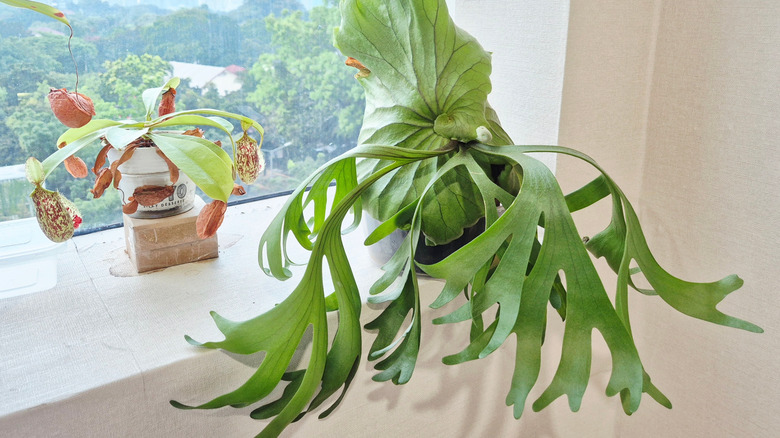
Staghorn ferns (Platycerium bifurcatum) are delightful houseplants, although they can also be grown outdoors in zones 9 through 12. If you want to feed your staghorn fern bananas, the best way to do so is by drying and crushing the peels. Since these plants are epiphytes, meaning they don't grow in soil, any chunks of banana peel you add to their growing medium are likely to just rot. You can also try making liquid banana peel fertilizer, as these plants do enjoy a weak or diluted liquid fertilizer.
Monstera
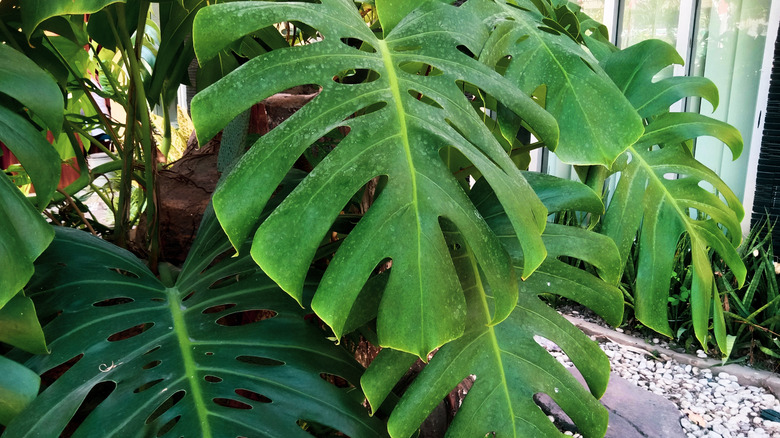
Monstera (Monstera deliciosa), also called Swiss cheese plant for its distinctive leaf shape, is a popular houseplant with a reputation for being a bit tricky to grow. Part of this reputation comes from their need for plenty of fertilizer. Monstera plants can grow quite tall and have broad leaves, so they need a lot of nitrogen to sustain themselves. If you've run out of fertilizer and need something to feed your monstera while you wait for the next bag or bottle to arrive, dried and crushed banana peels are an okay supplement.
Hydrangeas
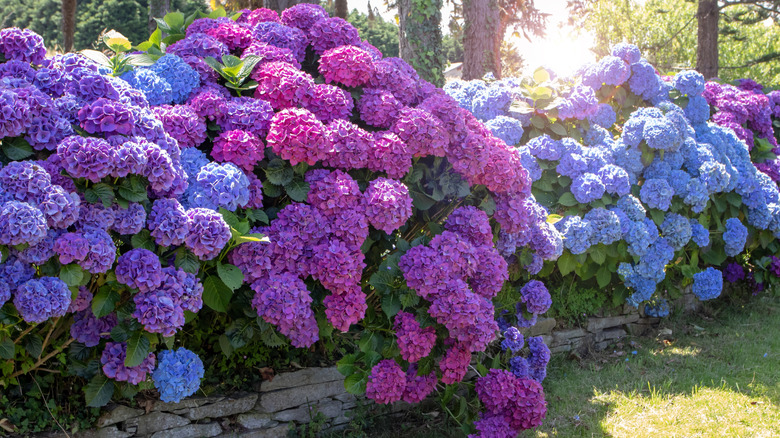
Hydrangeas (Hydrangea spp.) are gorgeous plants hardy in zones 3 through 9 that are known for their large, bright flowers. Hydrangeas need surprisingly little fertilizer, although they'll still appreciate compost or a few doses of liquid or slow-release fertilizer. Composted banana peels or dried and crushed peels can be added to the soil for a boost of nitrogen in-between fertilizer applications. Since they're often grown outdoors, avoid adding fresh shredded peels to the soil, as this could attract pests that might damage the plant.
Pumpkins, zucchini, and squash
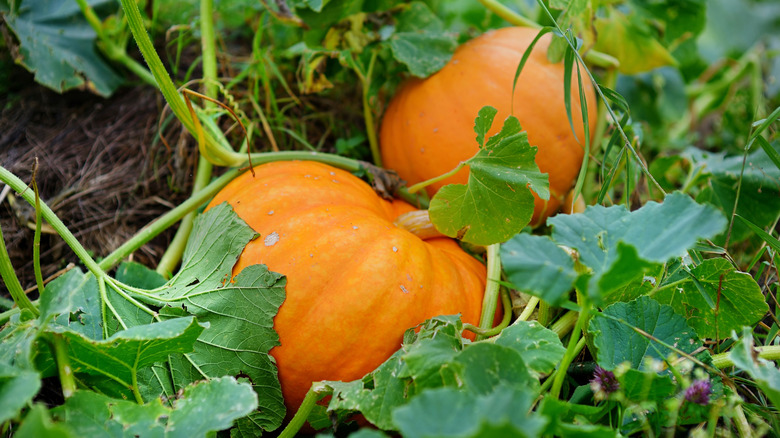
Pumpkins, zucchini, and squash (all Cucurbita spp.) will enjoy banana peels for the same reasons tomatoes do. They're heavy feeders that need a lot of nutrients even before they start to grow flowers and fruit. If you don't have naturally rich soil in your garden, compost and fertilizers are the best ways to compensate. You can add your banana peels to the mix. Cucurbits are generally hardy in zones 5 through 10, although the exact zones will vary depending on the species you're growing.
Lemon trees
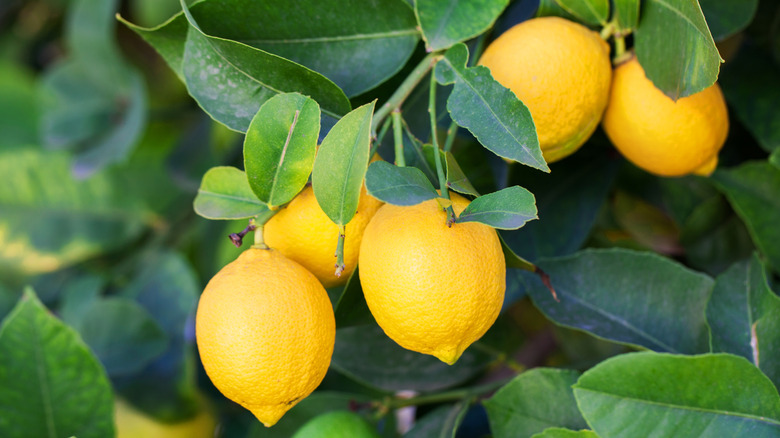
Lemon trees (Citrus x limon) are hardy in zones 9 through 11 and are, of course, grown for their delicious fruit. While they aren't the most difficult tree to grow, they do need a lot of nitrogen. Rich soil, compost, and fertilizers are the best ways to feed your lemon trees, but they aren't particularly picky about where their nitrogen comes from. Supplement their regular fertilization with dried banana peels or add fresh peels to your compost bin, your lemon tree will eat it either way.