

15 Things To Avoid Cleaning With A Magic Eraser At All Costs
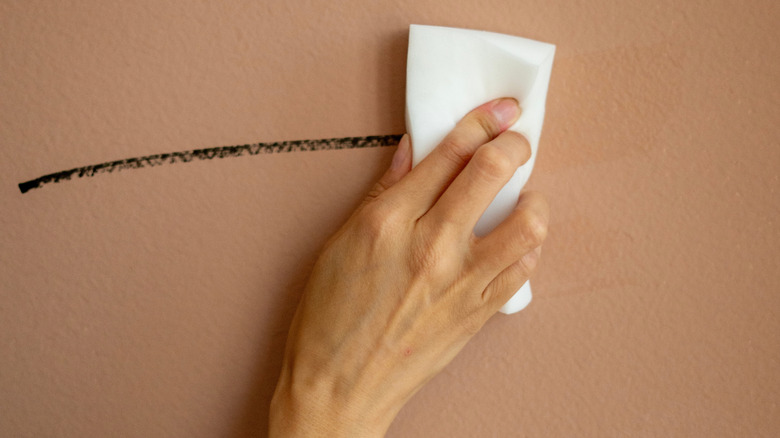
Magic Erasers are abrasive cleaning pads. And, as is true of every other abrasive cleaner, the inoffensive little white melamine foam sponges are tasked with the impossible: Scratch away what we don't want, and leave what we do want completely intact. As you are probably sensing, the odds of this working all the time aren't great.
It might all work out if they were actually magic, but instead, Magic Erasers and cheaper knockoffs (also made of melamine) are a little like sandpaper. Apply the right grit (coarseness) to the right surface and you can get a clean, perfectly polished finish. Apply too coarse a grit to any material and you'll get scratches, visibly damaging the thing you're trying to clean.
The maker of Magic Erasers has noted a handful of surfaces you shouldn't clean with melamine sponges, and we'll mention most of them along the way. But it's important to recognize that the harshness of melamine foam appears to be affected by whether it's used wet (dry foam is more damaging) and by how much force is applied when the sponge is used. So, even if you're sure damage could result, as when cleaning Crayon off plastic, you can control the risk to some extent.
Your shiny new appliances

Your glossy appliances — particularly black or dark-colored ones — are likely to be damaged by forceful application of a Magic Eraser. Also, vehicles. Also, almost anything else that's shiny. The problem here is a combination of factors: melamine turns out to be a bit harder than the finishes we apply to these shiny surfaces; scratches show up by dulling shiny surfaces; and black or dark finishes are particularly bad about showing the damage.
Dark surfaces ... seriously

In fact, Mr. Clean — the parent brand that includes Magic Erasers — specifically warns against using the product on dark finishes of any kind. There's nothing special about the interaction of melamine with any particular luminance. Instead, the caution is because the Magic Eraser can damage the sheen of a finish (its glossiness or matteness) in ways that are particularly obvious on dark colors. It's also possible to remove so much material on some surfaces like walls painted a dark color (remember, scratching is removing material) that a lighter substrate, base color, or primer shows through.
A glass cooktop ... of course

There are more things that will damage a glass cooktop than are dreamt of in your philosophy, and that includes Magic Erasers. While glass isn't specifically mentioned by the Magic Eraser manufacturers, it's widely understood that you might scratch glass surfaces. This is particularly true of ordinary glass (the stuff bottles are made of) and ceramic glass — a somewhat scratch-resistant but still vulnerable type of glass used for cooktops, oven doors, and other high-heat purposes. Whenever you're cleaning glass with melamine, use water as a lubricant and apply modest pressure.
Polished stone ... yes, including countertops

While Mr. Clean warns against using Magic Erasers on polished surfaces, the company doesn't specifically mention stone. But countertop manufacturers warn against using abrasives, including Magic Erasers, on quartz and natural stone countertops like granite and marble. The sponges can wear away the stone's sealant, scratch the stone itself, and ultimately leave patches of your countertop with a dull finish. Follow your countertop manufacturer's recommendations or use stone-safe cleaners with a soft cloth.
Copper

You'll occasionally run across a story by someone who has ignored Mr. Clean's guidance and used a Magic Eraser on copper with no problem at all. This tale is usually told by someone removing the patina from copper, and you might get away with that use for a while. But regular cleaning of copper (cookware, for example) can result in scratches, and abrasives should always be avoided. And if you are cleaning copper that has a protective coating to avoid the natural patina, your Magic Eraser could damage the coating and actually make the patina problem worse.
Faux finishes
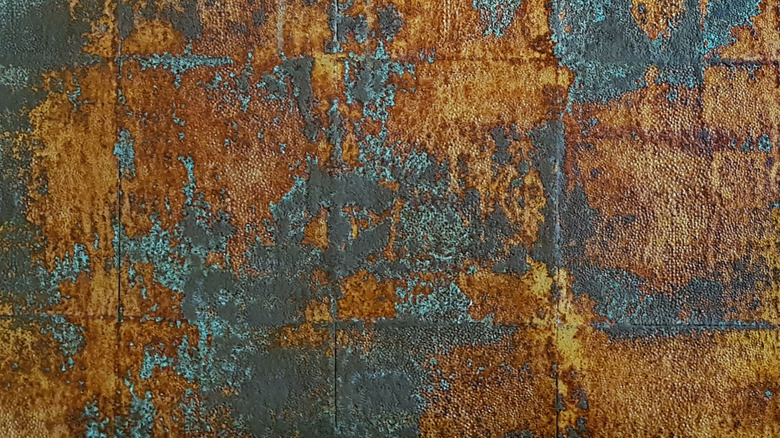
The Mr. Clean website somewhat mysteriously warns against using Magic Erasers on "faux" surfaces. Since it's unlikely that you'd attempt to clean something that's not really a surface, we've surmised that the company is warning against using melamine foam on faux finishes. Most faux-finishing techniques involve applying paint or coatings in relatively thin layers that can be easily and visibly damaged by abrasives. Because of the illusory nature of faux finishes, any disruption in the finish can destroy the intended impression.
Bare, polished, stained, or painted wood
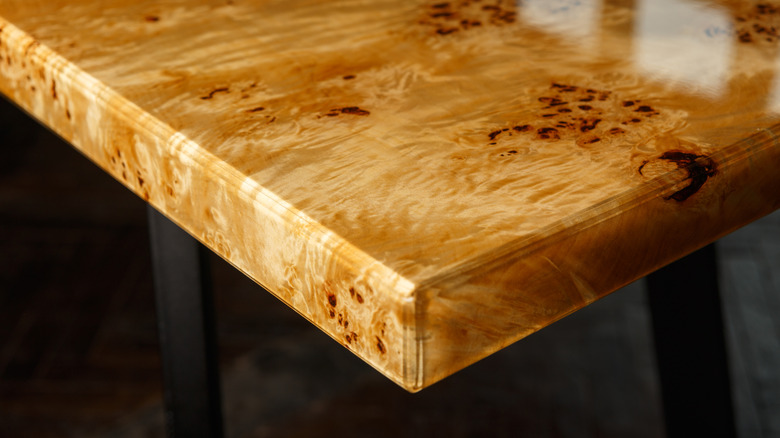
Take heart; cleaning wood coated in concrete is fine. We kid, but the truth is that Magic Erasers are best avoided when cleaning wood. The company specifically warns against using them on polished or bare wood, and any wood finish is susceptible to damage by the abrasive melamine foam. It's better to use a soft cloth and, if necessary, a mild dish soap rather than abrasives ... and even better to follow the directions for your specific finish.
Brushed surfaces, including stainless steel
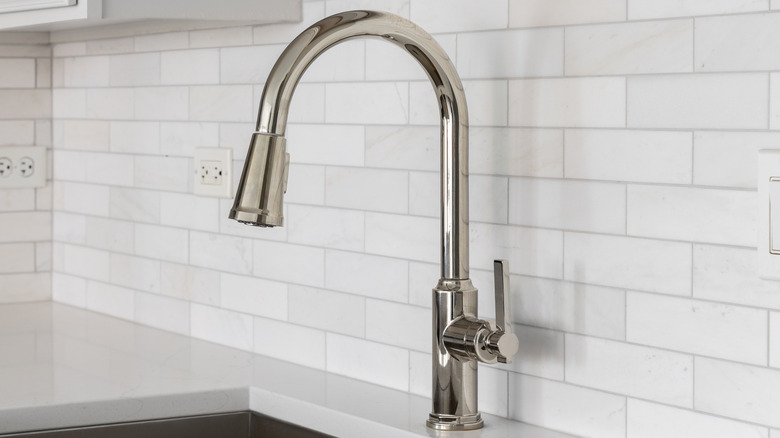
Warm water, a microfiber cloth, and mild dish soap are also the prescription for stainless steel. Mr. Clean warns against using Magic Erasers for stainless and for brushed surfaces in general. In the case of stainless steel, the brushing process creates thin channels (that are scratches themselves) with an even thinner coating of protective chromium oxide, both of which can be damaged by abrasive cleaners like melamine foam. Scratches are noticeable on brushed stainless because the brushing creates a grain that makes other scratches obvious in contrast.
Nonstick coatings
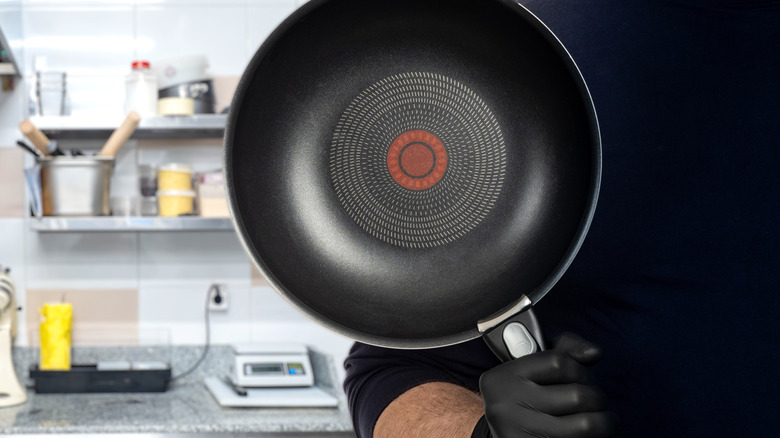
Avoid using Magic Erasers on nonstick cookware. The abrasiveness of the sponges will damage the coating, and while most Magic Eraser damage is aesthetic, damaged nonstick coatings eventually fail to work altogether. This results in food sticking, the need for more aggressive cleaning, and probably even more damage to the coating. Any time you do use a Magic Eraser on a food preparation surface, be sure to rinse the surface well to get rid of melamine residue and microplastics. Magic Eraser might not actually be dangerous, but you don't want to eat it.
Leather and delicate fabrics

This is another one that has escaped the specific attention of Mr. Clean's lawyers, but it's generally acknowledged that Magic Erasers can damage some fabrics and leathers (like shoe leather or suede). The official warning mentions avoiding "satin," but it's not clear if that's meant to be a reference to fabric or a paint sheen. In any event, follow care instructions for fabrics, shoes, and leather items, which will rarely involve using an abrasive. For really soiled tennis shoes, melamine foam often works, but using too much force or too little water might lead to damage.
Your phone screen

Phone screens are usually made with specially formulated glass that makes use of chemical magic to make them more impact- and scratch-resistant. But, as you know, phone screens still crack ... and they scratch as well. Magic Erasers can damage glass, oleophobic coatings that repel oils, your camera lenses, the back of your phone, or the bezel around your screen. On the whole, it's not worth the risk and not entirely necessary, since most phone and tablet screen can be easily cleaned with a slightly damp, lint-free cloth.
Your vinyl pool liner
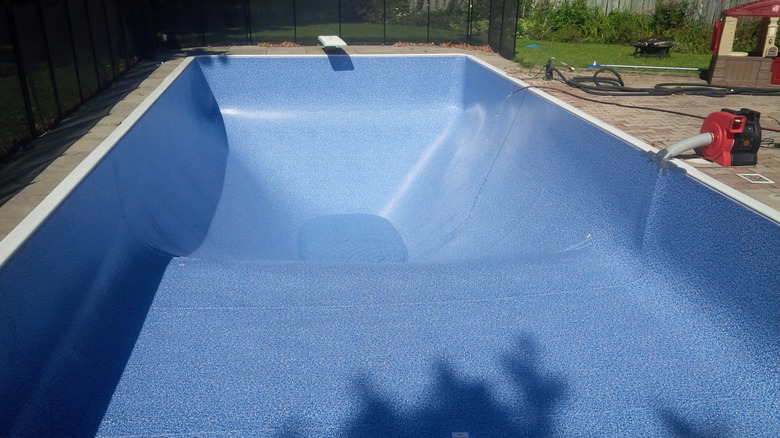
While it's actually effective at removing normal gunk from a pool liner, above-ground pool manufacturers advise against cleaning pool liners with melamine sponges. Using an abrasive on a vinyl liner can cause damage, discoloration, and a shortened pool lifespan. Besides, almost anything will take almost anything else off the side of a pool below the water line. There was also a "hack" going around some years ago that claimed a Magic Eraser could suppress algae in a pool. Not only does it not work, but it could also clog your filter and damage your pump.
Other lenses and screens
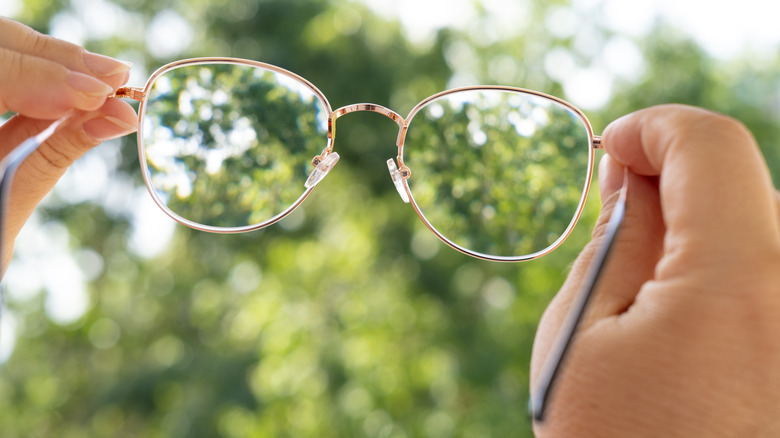
Laptop and computer screens, eyeglasses, and camera or projector lenses can all be damaged by the abrasiveness of a Magic Eraser. They absolutely can scratch glass, plastics, and polycarbonate, and they can also effectively erase specialized coatings that screens and lenses might rely on. Eyeglasses, for example, might have special coatings for fogging, polarization, blue light filtering, ultraviolet light protection, glare, and even scratches ... all of which might be damaged by melamine foam sponges.
Serving dishes with delicate finishes

It's perfectly okay to clean serving dishes with Magic Erasers and, in fact, it can be a great help. Serving dishes are made of a whole host of materials, though, and some can be finished with glazes that won't stand up to the abrasiveness of melamine foam. Porcelain, ceramic, and some glass can be trouble spots, as can glossy finishes on bamboo. If you're unsure, test an inconspicuous spot, use plenty of water, and don't forget to rinse well. Magic Erasers seem to be fine on clear or colored Pyrex.
Plastic mower parts

A larger percentage of mowers is being made of various plastics in recent years, from carburetors to mower decks. Generally speaking, you won't have any trouble cleaning them with a Magic Eraser, except that it's probably overkill. There are a few sneaky trouble spots to be aware of, though. Cleaning mower headlamp housings with melamine foam can have exactly the opposite of your intended effect, making the entire thing hazy and requiring you to reapply the clear coat you just removed. Same with other clear bits, like those little windows covering your fuel gauge, hours meter, and the like.