

Don't Wait: 10 Plants To Prune In December For A Healthier Spring Garden
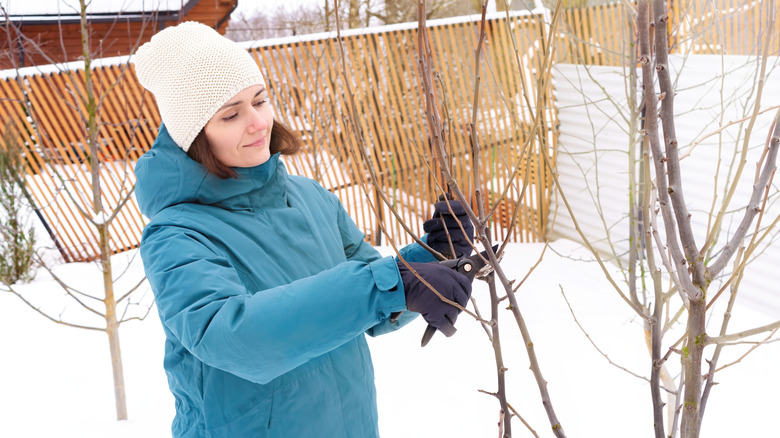
Most gardening tasks are completed during spring and summer, since most deciduous plants start to settle into dormancy in fall and winter. However, pruning is one important aspect of garden care that is sometimes better to do in the chilly season. Not all vegetation thrives with winter pruning, so it's important to know your specific greenery's needs. For the plants that do need to be pruned in winter, the benefits are simple. These are dormant, so the pruning won't cause excess stress or stimulate immediate growth. You can check out this guide on how and when to prune 50 different plants, but if you only want to know what to prune right now, these should be top priority.
It's important to note, though, that plants follow seasons, not months. December is a great time for pruning across most of the U.S., but your exact schedule will be determined by the local weather. Make sure your plants are fully dormant before pruning. There shouldn't be any green leaves or new growth. You also want to avoid pruning when it is too cold, as branches can dry out and become brittle, making them more prone to damage. The weather should be cold but still above 25 degrees Fahrenheit, so check your weather forecast.
Oak trees
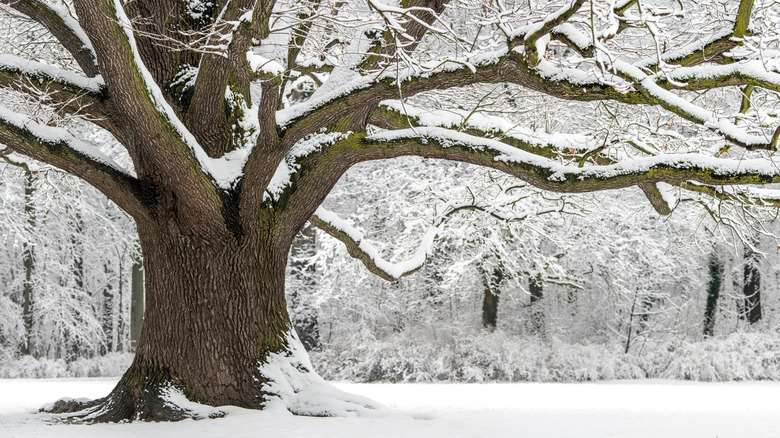
Oak trees (Quercus genus) are the perfect example of plants to prune in December. They typically go dormant in November or December and stay dormant until the warmer weather of spring arrives. It's actually essential that oak trees are pruned during this time period, because otherwise they're left exposed to sap-eating beetles. These beetles are attracted to the sap that leaks from pruned branches during the growing season, and they spread a fungal infection called oak wilt. This infection can be devastating, but pruning in December is an easy way to lower the risk.
Elm trees
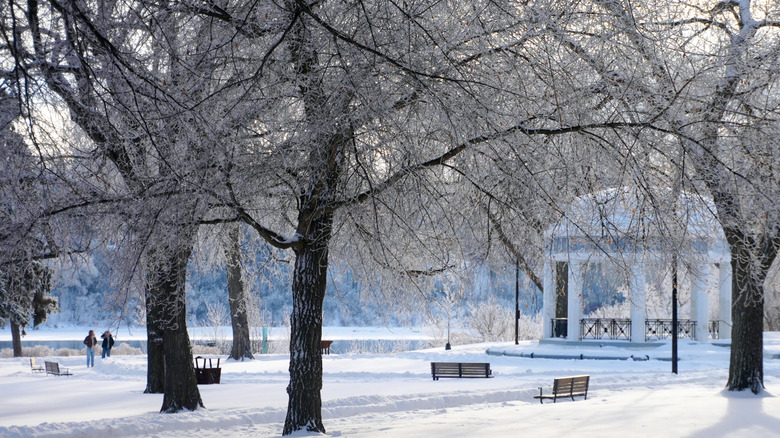
Similarly to oak trees, elm trees (Ulmus genus) are dormant in winter and can be at risk of infection if pruned during spring or summer. Dutch elm disease is a fungal infection spread by beetles, much like oak wilt. The infection is so common in Canada that many places actually have a ban on pruning elm trees during the growing season! December is a great time to start your pruning, but you definitely shouldn't prune them any earlier than November or later than March.
Beech trees
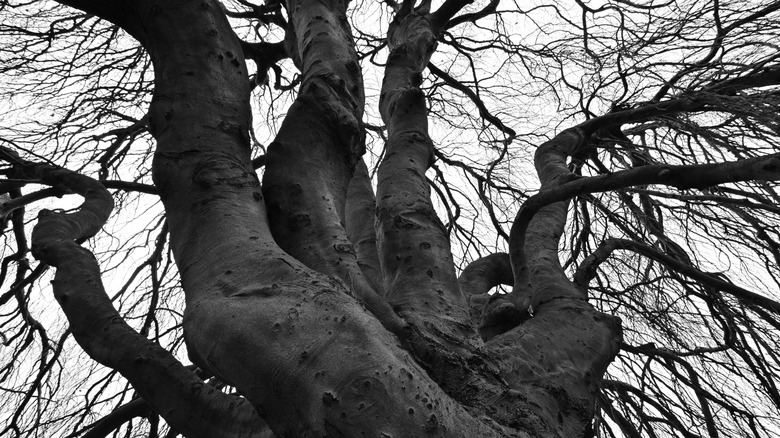
Beech trees (Fagus genus) are best pruned between late fall and early spring. Pruning isn't always necessary, but if yours does need some work, wait for it to be dormant before pruning it. The exception to this is the European beech hedge, which are one of the best bushes and shrubs for hedges. They're typically trimmed and shaped in late summer to early fall and usually don't need heavy pruning unless they've been damaged by a storm or other event.
Pear trees
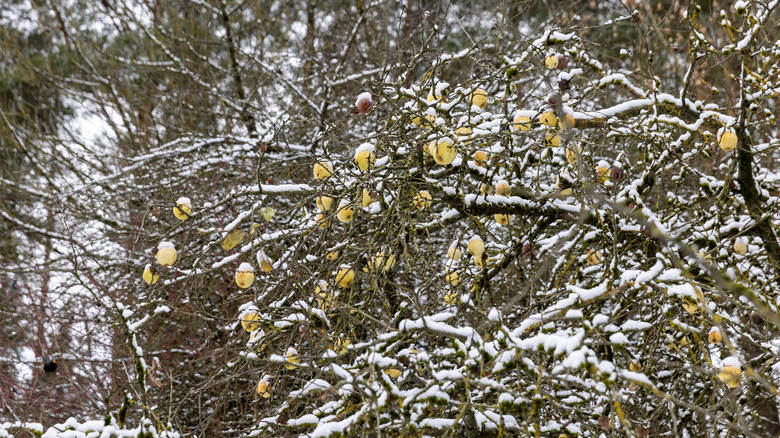
For the best spring growth and fall harvest, you should prune your pear trees (Pyrus genus) in winter. Knowing how to prune pear trees will be helpful as well. Removing branches in winter promotes growth in spring and allows more light to reach the remaining branches. This leads to a heartier harvest over all, so December, January, or February pruning should be on your to-do list if you want more pears.
Currants
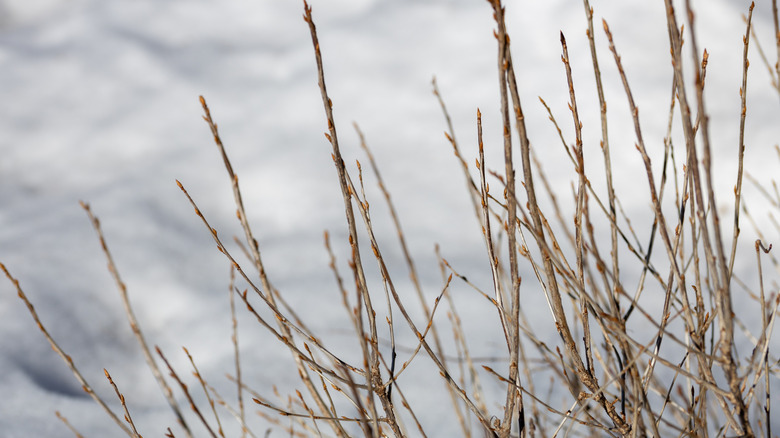
How you prune your currants (Ribes genus) will depend somewhat on the species you're growing, but all currants are best pruned in winter. December is usually okay, but wait for them to be fully dormant before you break out the shears. Unlike some shrubs that only need occasional pruning for maintance, currants should be pruned annually. This is because currant branches only grow fruit for the first three years of their lives. Removing the older branches that won't produce more fruit leaves more room, energy, and sunlight for the younger branches.
Burning bush
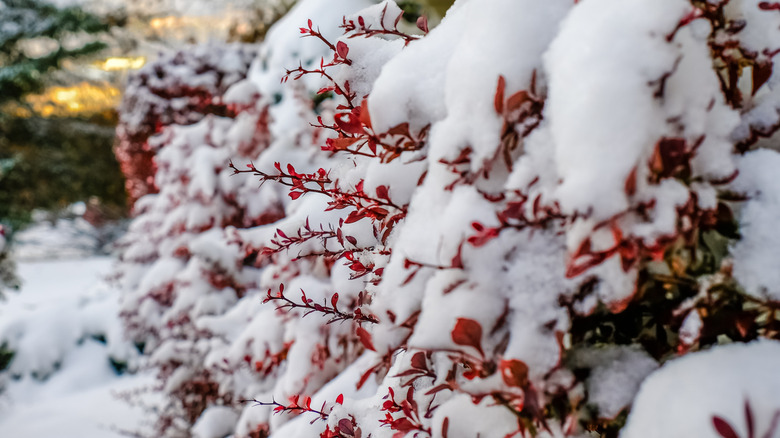
Burning bushes (Euonymus alatus) require shockingly little care, and they don't need pruning to thrive. However, a nice trim can help keep them in check and looking presentable. If you do decide to prune your burning bush, winter is the best time to do so. In December, they're dormant and haven't started to grow new leaves yet. You can give them a light trim and remove just the dead or dying branches, or you can cut them most of the way to the ground. These shrubs are pretty hardy!
Dogwood trees
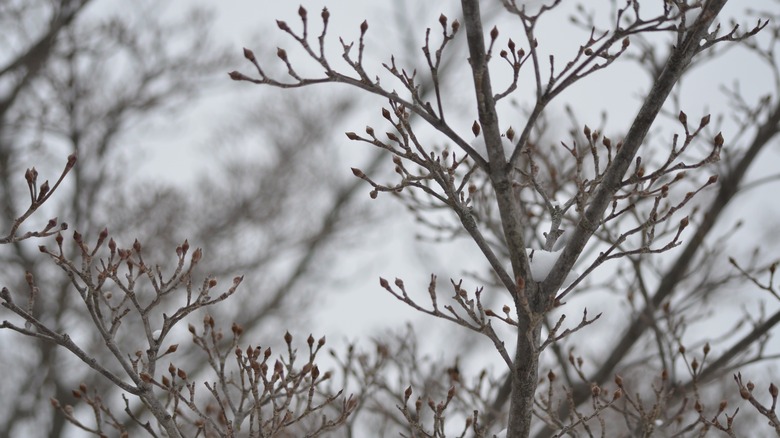
Dogwood trees (Cornus genus) can be pruned from late fall through winter, but December is the best time. While you can prune your dogwood tree as soon as it's dormant, pruning in fall may mean losing some of the bright berries that songbirds love. Flowering dogwood berries begin to ripen in mid to late fall, and many birds snack on them during their migration. Most migratory birds will have already left by December, so while a few stragglers or non-migratory birds may miss out on a snack, there isn't as much to worry about when pruning in December.
Hosta

Hosta plants can be cut back nearly to the ground in late fall or early winter. Early December is perfect, although there isn't a strict time limit for them. Wait for the leaves to turn brown and die. This typically happens after a few light frosts or the first big freeze of the year. Once the leaves are dead, you can trim them back to a few inches above the ground and clip any remaining flower stalks.
Beautyberry
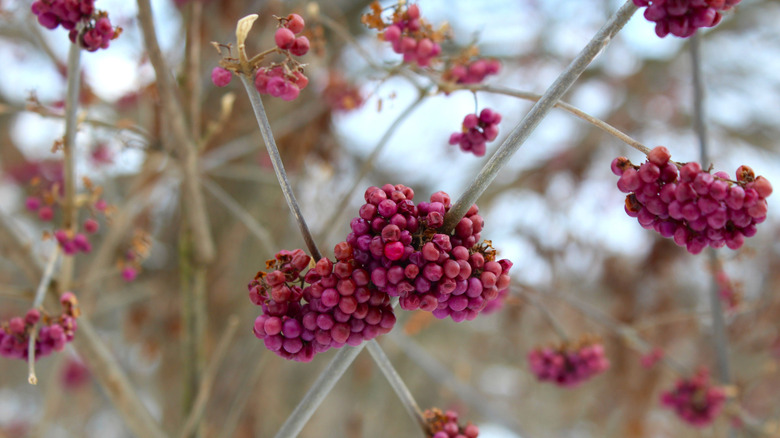
American beautyberries (Callicarpa americana) can be pruned throughout winter and early spring. Similarly to dogwood trees, you should wait to prune it until most of the berries have been eaten if you want to keep your local bird population happy. However, these shrubs don't require a lot of pruning to keep them in good condition. If you only intend to remove dead or dying branches, you can absolutely start pruning in December. If you want to do some heavier pruning, you may want to wait a little longer so the birds have plenty of time to eat.