

12 Things To Avoid Storing In Cardboard Boxes At All Costs

Packing to move to a new house or apartment is hard enough, but there are a few things that make it harder. As you go through all the areas of your house, you remember to check the attic (or perhaps the basement), and it's not a pleasant experience. Suddenly you're wondering how to get a musty smell out of your attic, and where that smell is even coming from. Then, you find it — a stack of old cardboard boxes from the last time you moved. Whatever was in them has been ruined by mold and mildew, and now you need to know how to stop it from happening again.
Cardboard boxes are great for moving items from one place to another. They're lightweight, versatile, recyclable, and inexpensive. They aren't ideal for long-term storage, though. Cardboard doesn't offer much protection from pests, and it can easily tear or rip. It also absorbs moisture, making it a prime target for molds and mildew. If you're in the process of packing up all your belongings, there are a few things that are particularly vulnerable to these conditions. Cardboard might be okay for moving them to your new home, but you should unpack them as soon as you can, rather than leave them sitting in the box!
Clothes
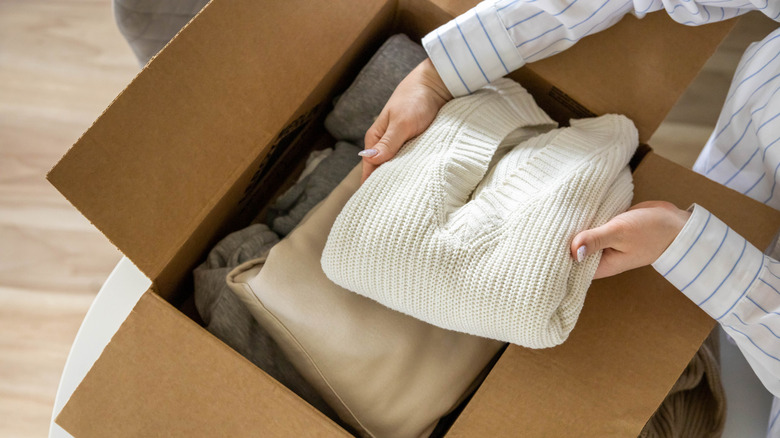
Storing your seasonal clothes in a cardboard box might seem like a convenient way to keep them cloistered, but you might reopen the box next year to find a nest of baby mice or moth-eaten clothes instead of your neatly folded sweaters. If the box becomes damp, you could end up with moldy clothes. Getting mildew out of colored clothes isn't the hardest thing in the world, but it's better to avoid it in the first place. Store your clothes in a plastic container that's hard for pests to chew through and won't absorb water.
Cleaning supplies
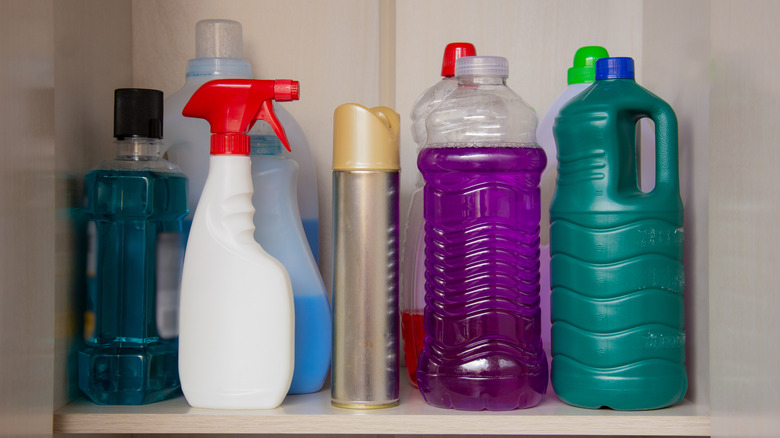
Cleaning chemicals shouldn't be kept in cardboard boxes, and opened chemical bottles shouldn't even be moved in them. If the chemicals spill, they will soak into the box, which is a huge fire hazard. Even worse, if multiple chemicals spill, they could mix and cause a dangerous reaction. Unopened bottles can be transported in cardboard, but you shouldn't store them there for long periods of time, as cardboard offers no protection. Store your cleaning supplies properly in a cabinet, and transport them in a plastic container with dividers to keep the bottles upright and separate from each other.
Fertilizer
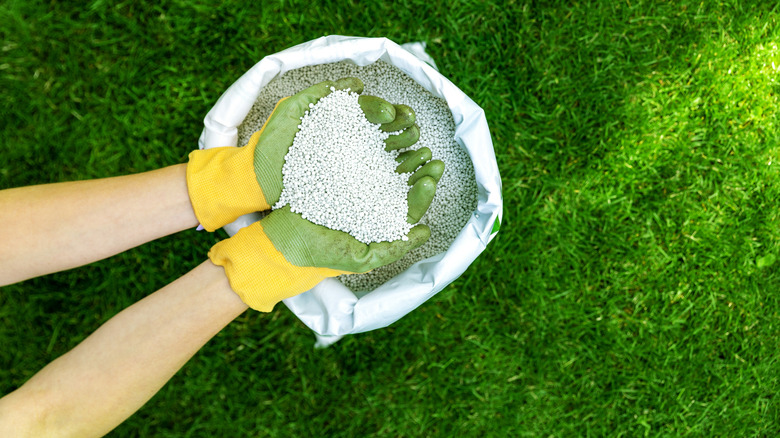
Storing liquid fertilizer in a cardboard box comes with the same hazards as storing cleaning supplies, but what about granulated fertilizer? While you don't need to worry about it soaking into the cardboard, it can still be a fire hazard to store granulated fertilizer in cardboard. Additionally, fertilizer can lose effectiveness over time when exposed to the elements. Cardboard isn't effective at keeping out water, and granulated fertilizer that absorbs moisture can become hard and unsuable. Instead, store it in a sealed plastic container that can keep moisture out.
Paintings

Paper and canvas can be damaged by water, so cardboard boxes don't offer paintings much protection. You may even see sunbleaching or other color changes if the box isn't sealed, as paint can change color if exposed to too much sunlight. Not to mention that if you aren't careful when packing and stacking, the painting could be folded. Store artwork individually, rather than stacking, and use dividers or individual envelopes if you need to put them in the same box. A plastic or metal container with a lid is perfect for keeping moisture and sunlight out.
Spare batteries

If you have any battery-powered devices in your home, you probably have spare batteries lying around. However, piling them all into a cardboard box is a bad idea. If the bottom isn't sealed properly, you could have batteries slipping out and rolling away, but a bigger issue is that if the batteries' opposite ends touch, they could form a circuit. This drains the batteries. Additionally, if the batteries leak, the acid could soak into the already-flammable cardboard. Batteries should always be stored in the container they came in, which should have indents to keep them from touching.
Glasses and plates
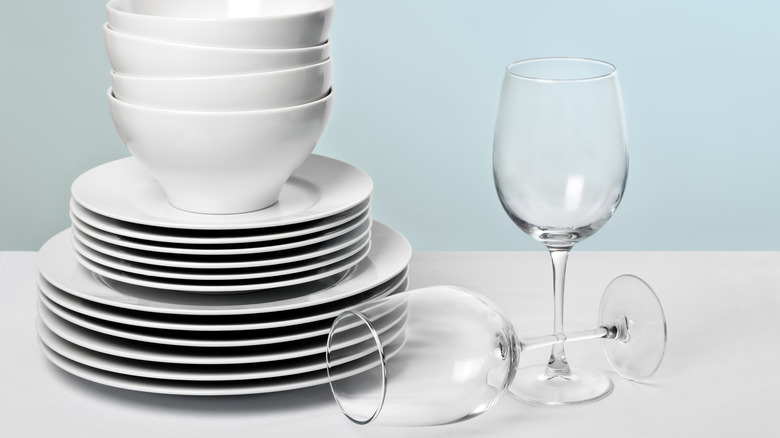
Ceramic and glass aren't vulnerable to water or pests, but regular cardboard boxes aren't ideal for moving them. Cardboard on its own doesn't offer much protection for breakable items, and improper packing might result in chipped plates or shattered glass. Since cardboard can be crushed by heavy objects, packing your dishware in a regular cardboard box and stacking another box on top of it is a recipe for disaster. Opt for a sturdier solution like a dish box, which has an extra layer of cardboard for increased safety, or a rigid plastic box that won't crumple.
Holiday decorations
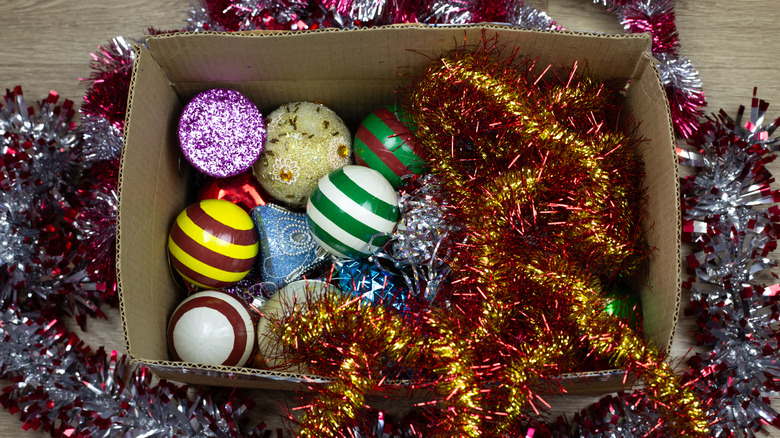
No matter which holiday you're decorating for, most types of festive decorations shouldn't be stored in cardboard boxes. Paper ornaments and fabric wall or door hangings can be damaged by moisture and pests. Any electronic items, like lights or moving Halloween decorations, may be damaged by moisture as well. Store your decor in plastic containers with lids to keep them safe, and take the batteries out of any battery-powered decor before storing it.
Vinyl records
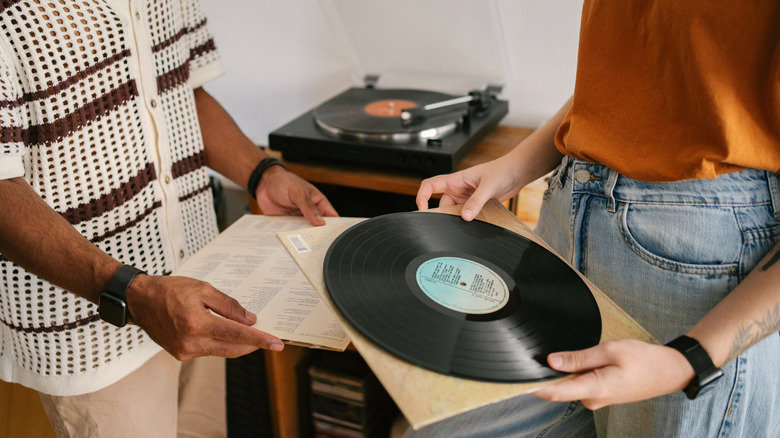
Vinyl records may look sturdy, but they're surprisingly fragile. Moisture and oils can cause them to mold, while pressure and heat can make them warp and lose their shape. The best way to store your records in vertically and in their sleeves. Avoid stacking anything, even other records, on top of them, and be sure there's a non-absorbant layer between them and the ground. A plastic box is perfect for keeping them safe, as long as you remember to place them vertically rather than flat.
Stickers and stamps
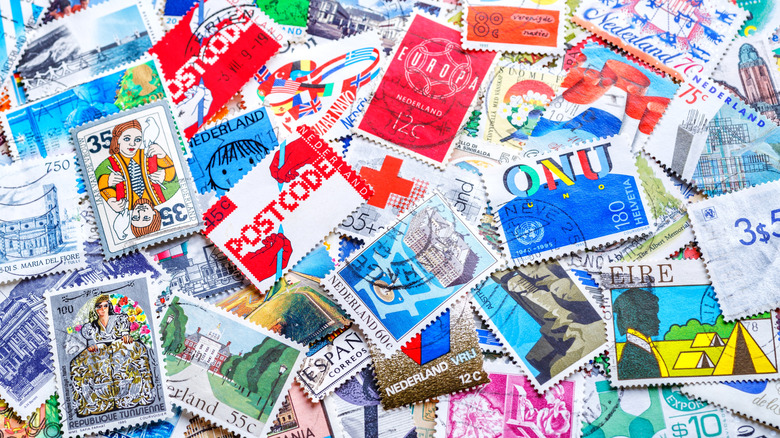
Collecting stickers and stamps is a popular pastime, but what if you don't have room to display your collection? As with other paper items, they can become warped or moldy when wet. However, even if they don't fully warp, your collection might still be damaged by the humidity and moisture. Some adhesives can weaken or even dissolve if they get too wet, and you don't want to check on your collection to find that your stickers have all come loose! Any sealable container made from plastic or glass can be used to store your stickers and stamps.
Books
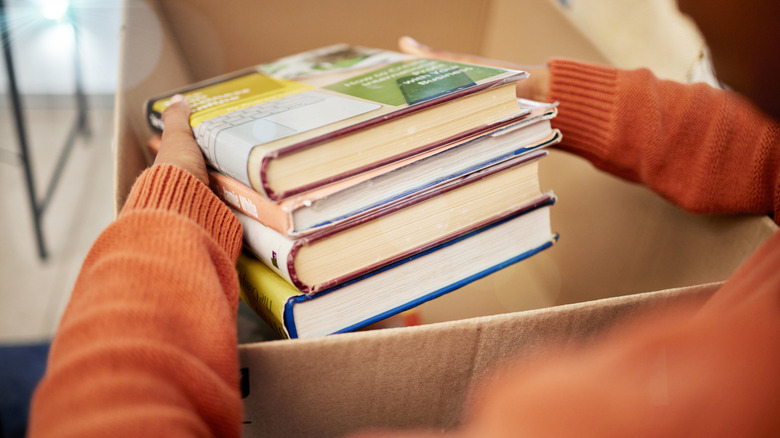
Book lovers often end up with more books than will fit on their shelves, but avoid storing your extras in a cardboard box if you want to read them again! Cardboard won't protect your books from humidity or a flooded basement, and the acids used in many common cardboards can break down over time and damage the paper as well. A water-tight plastic box is a better fit, and you can give your books some extra protection by wrapping them in paper or paper towels to form a makeshift dust cover.
Camera equipment
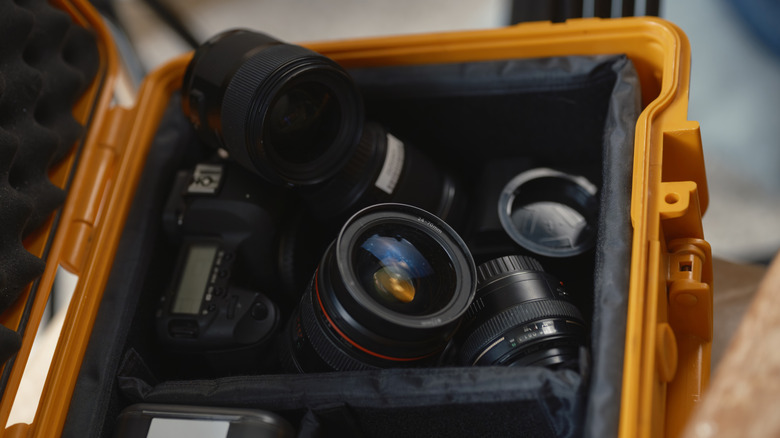
Photography is a fun hobby, but it comes with some expensive and fragile gear. Whether you have the latest top of the line equipment or some old hand-me-downs, it's important to store your gear correctly. Water damage can cause electrical components to short-circuit, and fragile lenses can be scratched or broken if they aren't stored carefully. Keep as much of your gear as possible in a padded storage case or carrying bag designed for camera gear. For less fragile objects, such as cords or tripods, use a plastic tub with a lid to keep it dry and safe.
Stuffed animals
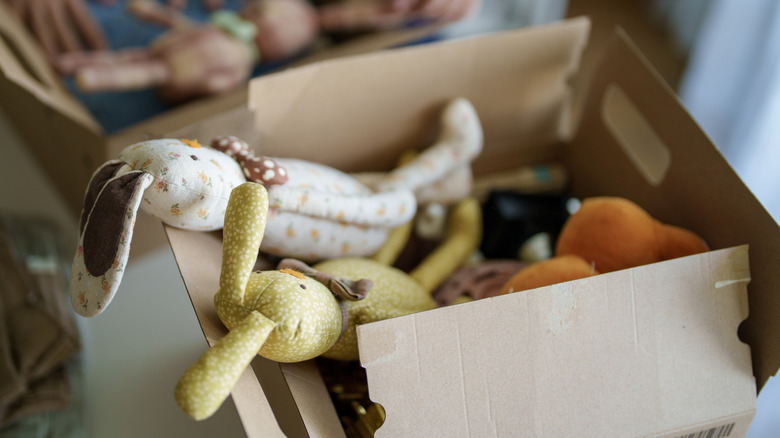
No matter how well-loved a toy is, it'll probably end up in storage for at least a little while. If you want to make sure it's still cuddly when you unpack it again, don't store it in a cardboard box. Moisture can lead to stuffies that are more musty than cuddly, and pests might think the soft stuffing is the perfect nesting material. Keep your stuffed animals in a plastic bin with a lid, and consider wrapping them in tissue paper to add an extra layer of protection against dust and sunlight.