

How To Prep Your Orchids For Winter So They Stay Healthy And Ready To Bloom
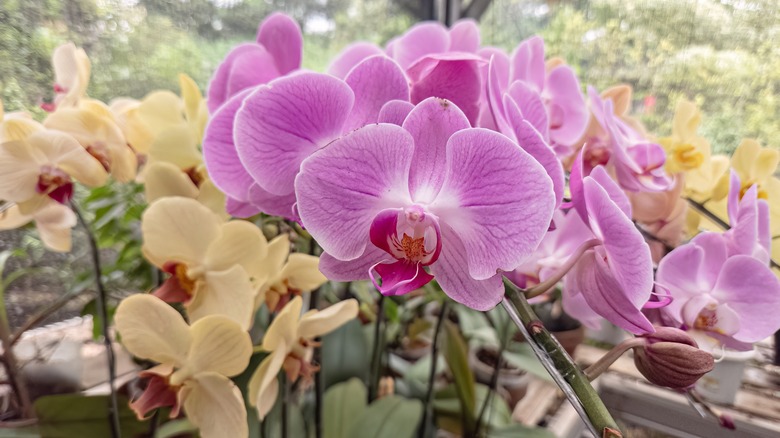
Orchids (Orchidaceae spp.) may be gorgeous, but learning how to properly care for them is essential to help these difficult plants to thrive. Winter can be a tricky time in particular: While USDA hardiness zones vary wildly for orchids, many of these plants come from tropical regions, meaning they can be sensitive to cold temperatures. Keeping your orchids warm and healthy enough to bloom can be a balancing act, but proper preparation goes a long way.
First, you'll need to find out when your orchids are in season, as this will tell you whether they might bloom through winter or not. Other than that, a large part of winter prep is finding the right location for them. Move them indoors during mid to late fall, and place them somewhere without air vents or drafts. Cold air blowing across your orchids' leaves can cause or exacerbate cold damage. Orchids need plenty of light, even in winter, so try to find the place in your home that gets the most sun.
Your plants will also appreciate high humidity, as long as the temperatures are warm. Cold humidity can be harmful, but the steam from a hot shower will perk them right up. Most orchids need less water during winter, so be prepared to change your schedule. In late fall, either water them less often or start giving them less water at a time. Unless they're a variety that blooms in winter, this will allow them to go dormant. The same goes for fertilizing — slowly stop fertilizing in mid to late fall. Winter-blooming orchids will still need regular fertilizing and watering to grow properly.
How to treat an orchid with frost damage
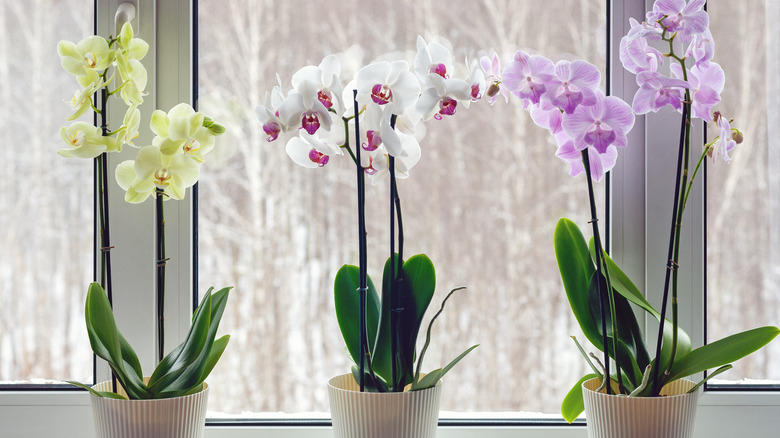
Taking care when finding a winter location for your orchid will help prevent frost damage, but accidents can still happen. If the plant is exposed to extreme cold, avoid moving it to a bright, hot location. While it may seem like a good idea to warm your orchid up quickly, it's actually better for it to acclimate slowly. The sudden changes in temperature can cause further stress and make symptoms develop more rapidly. Instead, keep your orchid somewhere mild and let it adjust, just like you would if it were suffering from transplant shock. The best treatment is time. Some orchids can be revived even when they look completely dead, so don't give up on it just yet!
If you're not sure whether your orchids are frost damaged, look for discolored leaves or stems as well as rough or sunken patches where there previously weren't any. Wet leaves can also be a sign of frost damage, particularly if the tissues appear to be soaked through. Some signs of cold damage may not be visible until spring, especially if the roots were damaged, but that doesn't mean the plant won't recover. Place it in light shade and keep the soil moist but not soggy. Give it small amounts of plant food, but avoid fertilizing it until you see signs of life return.