

Skip Fall Pruning — Do This Instead For Healthier Fruit Trees
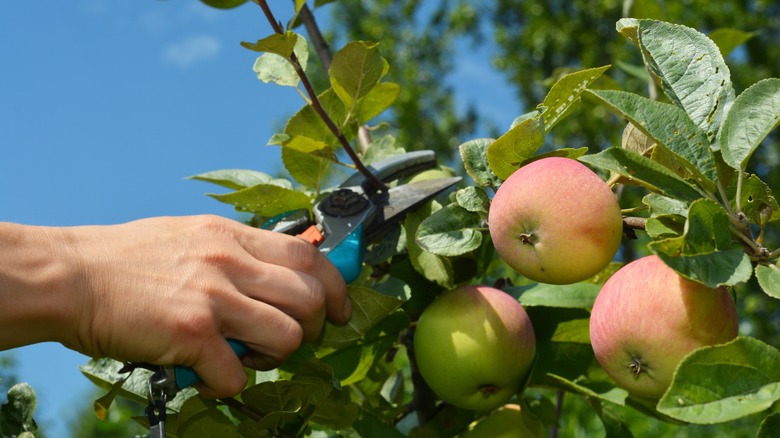
A healthy, gorgeous garden is not something that comes easy. A thriving yard takes not just a lot of work, but also knowledge. To keep your plants flourishing, you need to know the right feeding, watering, and pruning habits. This can get tricky when plants' needs vary, so when it comes to knowing how and when to prune your tree, listen to the experts. As it turns out, seasonal pruning for fruit trees isn't always a good thing, particularly in the fall. Though fall pruning may seem helpful before a cold season starts, it can actually lead to damage. For healthier fruit trees, avoid heavy fall pruning and consider some light tidying up in summer instead.
As it turns out, pruning in fall can have a number of negative consequences for your fruit trees, like predisposing them to otherwise preventable winter damage. When you prune growing points, it will alter the hormonal makeup of your tree, which can then change your fruit trees' ability to weather the cold. This means fall pruning can make it hard for trees to withstand the coming temperature drops. To avoid predisposing your fruit tree to winter damage, experts suggest a light trimming in summer if needed, and saving the heavy pruning for late winter or early spring.
When to prune fruit trees and other fall tips
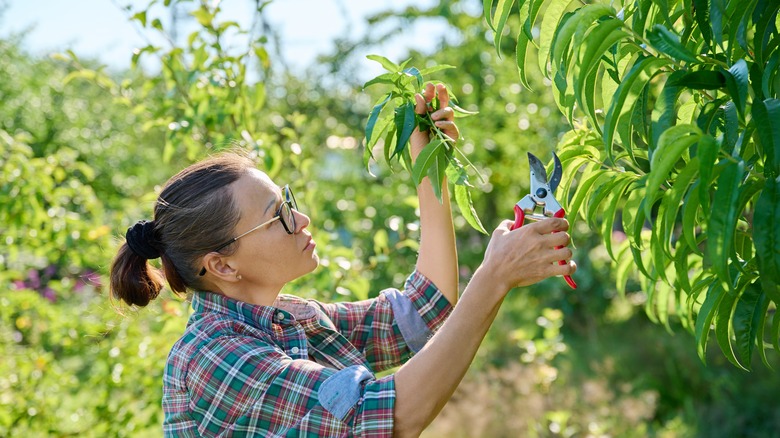
How and when to prune trees, shrubs, and flowers can be complicated, so let's take the guesswork out of it for you. First, know that pruning is important for the health of fruit trees, so don't ignore it altogether. Proper pruning maximizes your tree's fruit production, increases size and quality, and keeps your tree in the best health. When you prune matters, and pruning fruit trees can be different than pruning other plants, especially as it's done primarily for functional reasons more than aesthetics.
After you've exhausted expert tips for planting fruit trees and successfully incorporated some into your yard, you'll want to preserve the fruits of your labor (pun intended) with proper pruning. For most fruit trees, it's best to prune twice a year: once in the cold season and once in the summer. It's crucial, however, to check your specific type of fruit tree, as this rule of thumb isn't always the case (like with apricot and cherry trees).
To have the healthiest fruit trees, you should also consider slowing down your watering in the fall. Watering promotes new growth, which can then be susceptible to winter damage. Slowing down watering will help prevent this — plus, the trees often get the water they need from seasonal rainfall. In certain hardiness zones (4-7, plus 8 and 9 if they haven't gotten too hot yet), fall can actually be a good time to plant fruit trees, with citrus and stone fruit trees being great options.