

Flushing Vs. Draining Your Water Heater: Which Is Better For Performance And Longevity?
For most homeowners, a water heater is both critically important and a bit of a mystery. If all goes well, it remains sealed so that we don't know what's going on in there. Water presumably goes in one pipe and comes out another, though we can't see it happening. But there is regular maintenance you should do, like periodically draining or flushing your water heater to make it more effective and last longer. But there's a difference between the two, and you may be wondering which is best.
Hunker spoke exclusively with Michael Green, COO of Benjamin Franklin Plumbing, about the ins and outs of draining and flushing water heaters, and he shed some much-needed light on the inner workings of an appliance we usually don't explore. "We recommend flushing the water heater tank as part of regular maintenance to extend its life," Green said. Flushing is actually a variation on simple draining that agitates any sediment that has formed or collected inside the water heater. "By fully flushing the tank," Green said, "you're helping your water heater run more efficiently, heat faster, and last longer."
Simply draining the water from a water heater tank doesn't stir things up enough to do the important clearing work. "Draining is a good step if you are experiencing loud, banging pipes, which is sometimes caused by obstructions in the tank," Green explained. However, he adds that "draining alone only removes the water but doesn't agitate or carry out the sediment that harms performance.
How to flush your water heater tank
Fortunately, a good tank flushing is well within the reach of most homeowners, according to plumbing expert Michael Green in an exclusive interview with Hunker. "Flushing is an important part of the maintenance process and something most people can handle themselves," he explained. There are exceptions, though. Green advised, "If you have a tankless water heater, heat pump or solar unit, it's generally a good idea to call in a trained plumber rather than risking a DIY mistake on those more high-tech components."
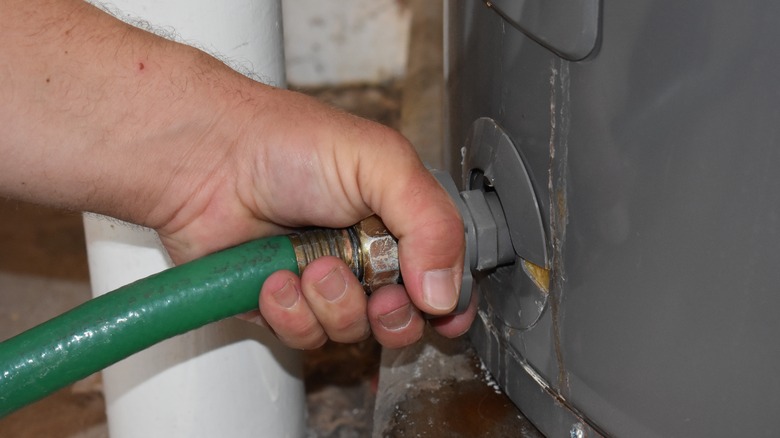
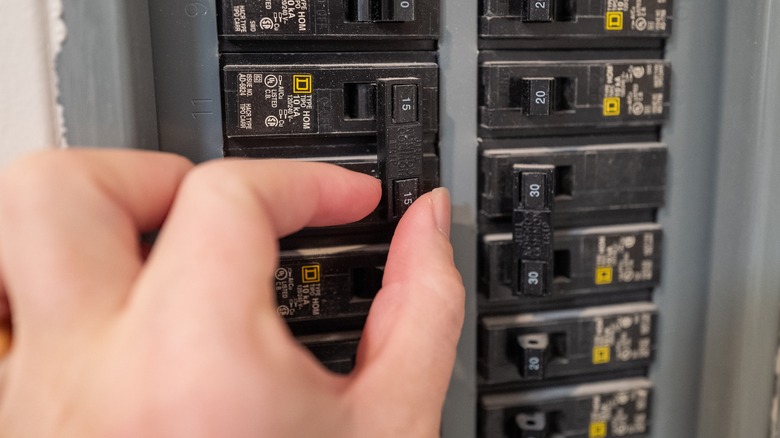
The first step is turning off the water heater's circuit breaker, or turning off the gas to a gas-powered unit, since heating an empty tank can damage it. Next, shut off the water supply to the water heater's inlet valve, usually indicated by markings, arrows, or the presence of blue elements. "Attach a hose to the drain outlet and run it down a floor drain or outside, away from the house," Green said. "Open both the pressure relief valve and the drain valve. This will empty the tank quickly, removing the sediment that can harm your tank over time."
Once the tank is empty, filling your water heater and turning everything back on is mostly a process of reversing what you just did, starting with closing both valves you opened earlier. The one new step is making room for water by allowing air to escape. "Turn on every hot water faucet and fixture in the house (they should be dry) and then open the cold water inlet valve to fill the tank," Green said. Once water starts flowing, you'll know the air has escaped the tank, so turn off the faucets' hot water taps, then flip the circuit breaker back on.
Getting a handle on water heater maintenance
While draining your water heater might offer some advantages, it's flushing that you should fit into your regular home maintenance regime. In an exclusive conversation with Michael Green, he recommended performing these steps twice a year. While you're at it, he added, there are a couple of other important steps you can take to promote a clean and healthy water heater. "Check the pressure relief valve to make sure it opens and closes smoothly," Green said. "Hot water should spray out if everything is normal, so ensure the drain outlet is clear."
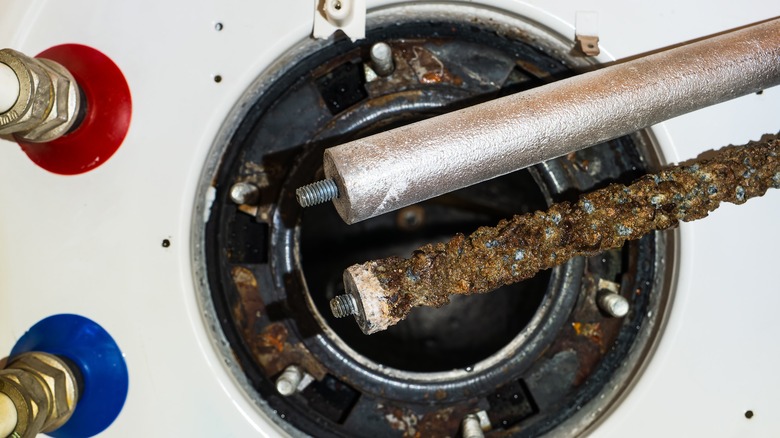
It's also a good time to make sure your water heater's anode rod is in good shape. The anode rod is a sacrificial element that corrodes so that your water tank won't. Follow your manufacturer's instructions to remove and inspect the rod, and replace it if necessary. Green also advises keeping an eye out for the telltale signs it's time for a new water heater. "If you see cracks or rust on the outside of the tank," Green said, "call in a plumber to assess whether the problems can be repaired or if it's time for a replacement."