

5 Fast-Growing Fruit Trees You Should Be Planting In The Fall
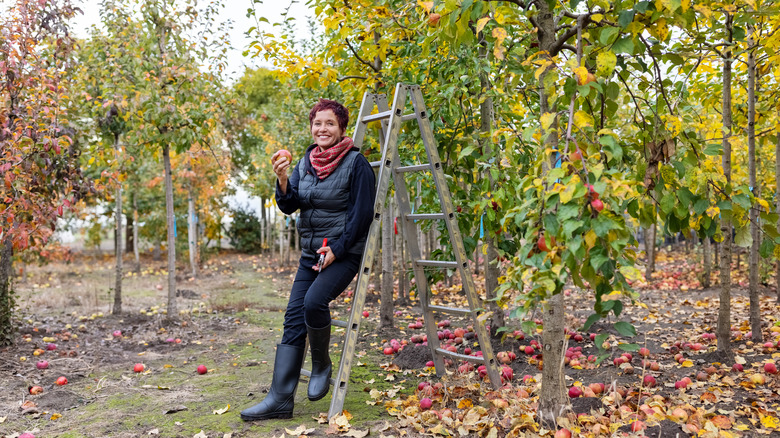
Many fruit trees appreciate being planted in the fall since it gives them a chance to dodge the stress summer brings. Fall-planted fruit trees typically have fewer weeds vying for their water and nutrients since cooler temperatures slow the growth of spurge, doveweed, and other interlopers. Plus, avoiding summer's sweltering temperatures makes young trees more likely to survive the cold months ahead. In particular, this low-stress introduction to your landscape encourages strong roots to form before winter's challenges arrive. Root growth becomes difficult when the ground freezes solid, so try to plant cold-hardy fruit trees before frost settles in, especially if you live in an area with harsh winters.
Several of the easiest fruit trees to grow – peaches and cherries, for example — are ideal for fall planting, and some of them establish themselves quite fast. Many stone fruit trees must chill for a significant number of hours to produce fruit, so planting them in the autumn gives you a head start on your harvest. If you plant these trees in the spring, they're unlikely to meet their chill requirement until the following year. Even if you've settled on growing a type of fruit tree that's generally winter hardy — an apple, for instance — choose a cultivar that embraces the weather, climate, and quirks of your growing zone to make the most of an autumn planting date.
Peach trees can handle some cold climes
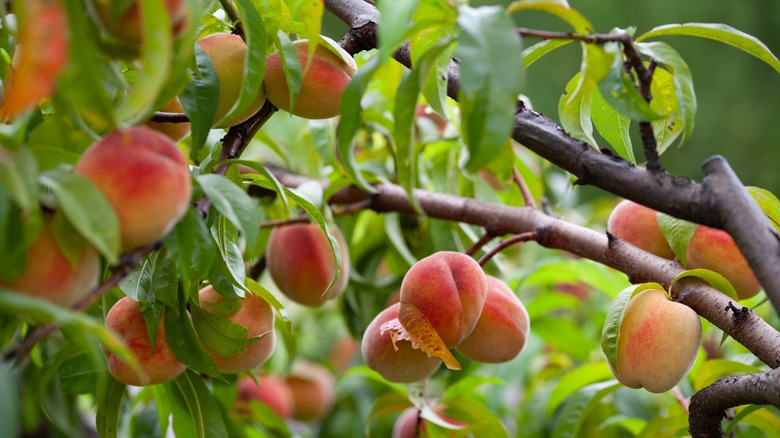
Peaches are the state fruit of Georgia and South Carolina, which are in USDA hardiness zones 8 and 9, but they can thrive on fall-planted trees as far north as zone 5. The deciding factor is whether temperatures drop below 15 degrees Fahrenheit. Though peach trees (Prunus persica) may suffer damage from a deep freeze, they need the air to stay below 45 degrees Fahrenheit for part of the cold season. Dwarf peach trees often mature sooner than their full-size counterparts, so they're an excellent choice for gardeners eager to pick fuzzy fruits as soon as possible. In ideal conditions, some dwarf peach trees will produce a full crop just a year after planting. If you want an especially bountiful harvest, opt for a larger peach tree. Compared to other types of fruit trees, they're fast growers, reaching heights of 15 to 25 feet in 2 to 4 years.
When planting a peach tree in the autumn, pick a growing site that receives at least 6 hours of direct daily sunlight, make sure its soil is 60 to 70 degrees Fahrenheit, and aim for a planting date in September or October. Also, check that excess water drains away quickly. If not, amend the soil with compost. Dig a planting hole that's twice as wide and deep as the young tree's root ball, and mulch the ground covering the roots once installation is complete. Give the tree a nice, long drink of water as well, since acclimating to a new home is hard work. In general, peach trees grow best in damp soil, so be sure to monitor moisture levels regularly.
Tart cherries survive through tough times
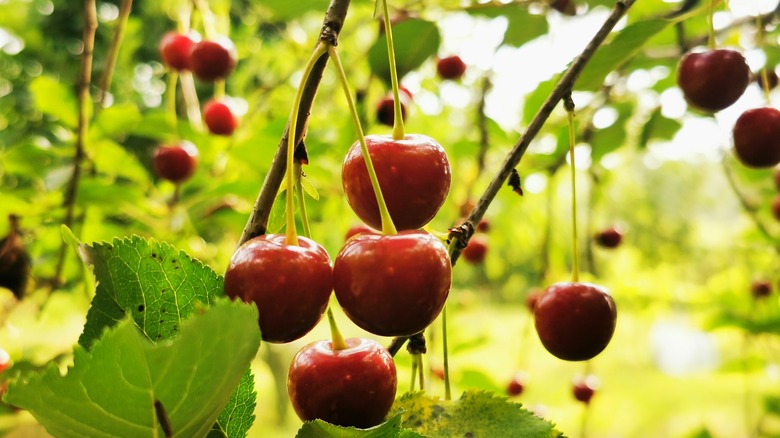
Planting a cherry tree in the fall gets you a few steps closer to enjoying fresh fruit pies in the summer. Though you can add a sweet cherry tree (Prunus avium) to your yard in the fall, a tart variety (Prunus cerasus) will typically offer the shortest harvest timeline. In general, a tart cherry tree will deliver its first crop in three to five years, whereas a sweet one will take four to seven years. Tart is also the best choice if cherry-centered baking and canning are your jam.
One of the very first fruit trees humans used for food, the tart cherry, has figured out how to survive all kinds of conditions over the centuries. This fast-growing plant thrives in USDA hardiness zones 3 through 8, handling chilly northern winters like a champ. In other words, a cold snap is unlikely to send a tart cherry sapling into a tailspin. As such, this tree is especially suitable for planting in the fall, even deep into the season. To help it succeed, plant it in a spot with well-draining, nutrient-rich soil. If your soil lacks either of these qualities, compost can help. Be sure your growing cherry tree has access to full sun, which will encourage it to form flowers and fruit. As with other trees installed in the autumn, a fall-planted cherry tree may produce flowers sooner than it would otherwise. This can lead to an earlier and more abundant harvest.
Apples aplenty for fall
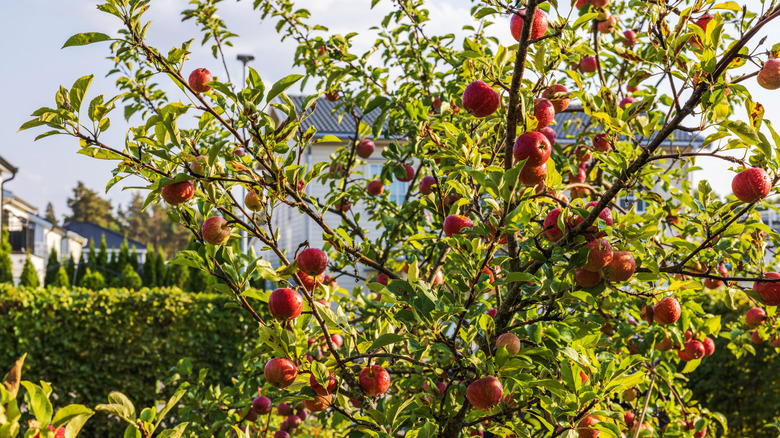
Apple trees (Malus domestica) love being planted in the autumn almost as much as they love being harvested in the autumn. Though these trees are generally comfortable with wintry conditions, selecting a variety that's well adapted to your growing zone's chilliest weather is essential. Since most apple trees are grafted, check that the bottom portion of the plant, the rootstock, is from a cultivar that thrives where you live. If speed is particularly important, prioritize apple tree cultivars that can produce fruit in a year or two. These include Fuji, Granny Smith, Honeycrisp, and McIntosh.
You can grow a Honeycrisp apple tree nearly anywhere in your yard since it's a small cultivar, rarely reaching higher than 10 feet. This variety is also flexible about climate, excelling in USDA hardiness zones 3 through 8. In zones 7 and 8, planting Honeycrisp in the fall gives it the best chance of getting the 700 to 1,000 yearly chill hours it needs to grow fruit. For a pollination buddy, consider McIntosh, a pest-resistant cultivar that's ideal for zones 4 through 7. Like the majority of apple trees, Honeycrisp and McIntosh prefer well-drained soil and full to partial sun.
If you want just one apple tree, Granny Smith is a terrific type to plant in the fall. It's best for gardens in zones 5 through 8. Unlike many other apple varieties, this tart-fruited cultivar is self-fertile, though planting a second Granny Smith nearby can make it more bountiful. It's also a nice pollination pal for Fuji, which thrives in zones 5 through 9 and needs just 400 chill hours to produce bushels of fruit.
Figs are surprisingly resilient
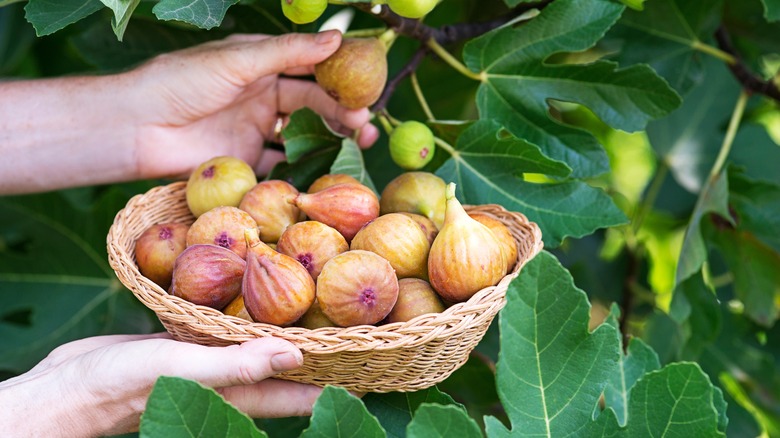
Lots of people think of figs (Ficus carica) as warm-climate crops since many specimens at the supermarket come from Turkey. However, this fruit isn't just for balmy backyards. There are several cold-hardy fig varieties that you can plant in the early fall in much of the United States. These trees are energetic growers that unfurl deep roots as fast as they can before winter comes. How long a fig tree takes to produce fruit depends on the cultivar and local growing conditions. Most types take 3 to 5 years to offer a hearty harvest, but some have a reputation for faster fruiting. Two of the fastest, Brown Turkey and Celeste, are fans of cooler climates and ideal candidates for autumn planting. Growing them in pots can shave another year off their fruit-debut schedule and allows you to bring the plants indoors for the winter.
Brown Turkey trees produce figs in a variety of colors, including brown, gold, and purple. Their claim to fame, however, is tolerating temperatures as cold as 10 degrees Fahrenheit. Though they are tailored to the climates of USDA hardiness zones 6 through 9, they can handle zone 5 if planted in a spot that buffers harsh winter weather. Once they reach maturity, Brown Turkeys deliver two annual harvests of big, sweet fruits. Celeste has similar requirements, though it can manage the occasional dip to 0 degrees Fahrenheit. It's the perfect tree for a tiny garden since it reaches a height of 6 to 10 feet. This cultivar is very easy to grow since it doesn't need a pollination partner. Whichever variety you choose, give it full sun and neutral-to-acidic soil that drains well.
Pawpaws are a hidden gem of fruit trees
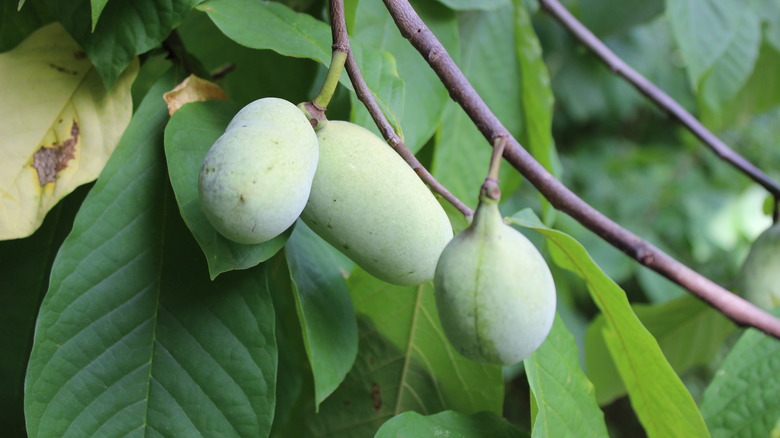
If you like tropical flavors and want to grow a fruit that's native to the U.S., consider planting a pawpaw tree (Asimina triloba) in the fall. Its fruit tastes like a cross between a mango and a banana, even though its preferred USDA hardiness zones, 5 through 9, aren't very tropical. When growing a pawpaw tree from seed, it's crucial to keep it moist and let it chill for 70 to 100 days. Planting it outdoors in the fall is an easy way to meet these requirements. Or, buy a young pawpaw tree from a nursery. A grafted specimen is the way to go, as it will produce fruit the fastest, typically in three years or so. Be sure to introduce your new tree to your yard before the ground is too frozen to dig, and stop watering the tree when the ground freezes, making sure to keep it hydrated throughout the fall.
A pawpaw may be just the ticket if you're seeking a fruit tree for a shady or wet yard. It will produce the most fruit when grown in full sun near a genetically different pawpaw, but it can also be healthy and content in a shady spot. Likewise, pawpaws are fond of damp, well-draining soil but are not bothered by a few stretches of soggy days. Whether they're planted in the autumn or at another time of year, pawpaws and many other fruit trees also benefit from a fertilizer application six weeks after moving into their planting holes. Making compost tea for your fruit trees is a natural way to boost their nutrient levels and costs next to nothing.